Blog Details
21Aug
What to Expect on a Yoga and Meditation Retreat in Nepal
A yoga and meditation retreat in Nepal can sound idyllic: waking up to Himalayan views, practicing yoga in the mountains, meditating beside Buddhist monasteries, and spending a few days away from the noise of everyday life.
But what does a retreat in Nepal actually involve?
Is it suitable for beginners? Who teaches yoga? Do monks actually participate? Do you have to be Buddhist? What do you eat? Where do you stay? And is it really possible to experience Nepal's spiritual traditions without turning your retreat into a sightseeing tour?
The answer depends on the retreat, but the most meaningful experiences share something in common: yoga and meditation are not treated as isolated activities. They become part of the landscape, culture, and rhythm of your time in Nepal.
More Than a Yoga Holiday
A yoga retreat isn't simply a holiday with a yoga class added to the itinerary.
Most retreats combine some combination of yoga, meditation, breathing practices, philosophy, nature, cultural experiences, and time for personal reflection . Daily schedules vary, but morning and evening practices are common, with free time in between for rest, walks, reading, or exploring.
In Nepal, the setting adds another dimension.
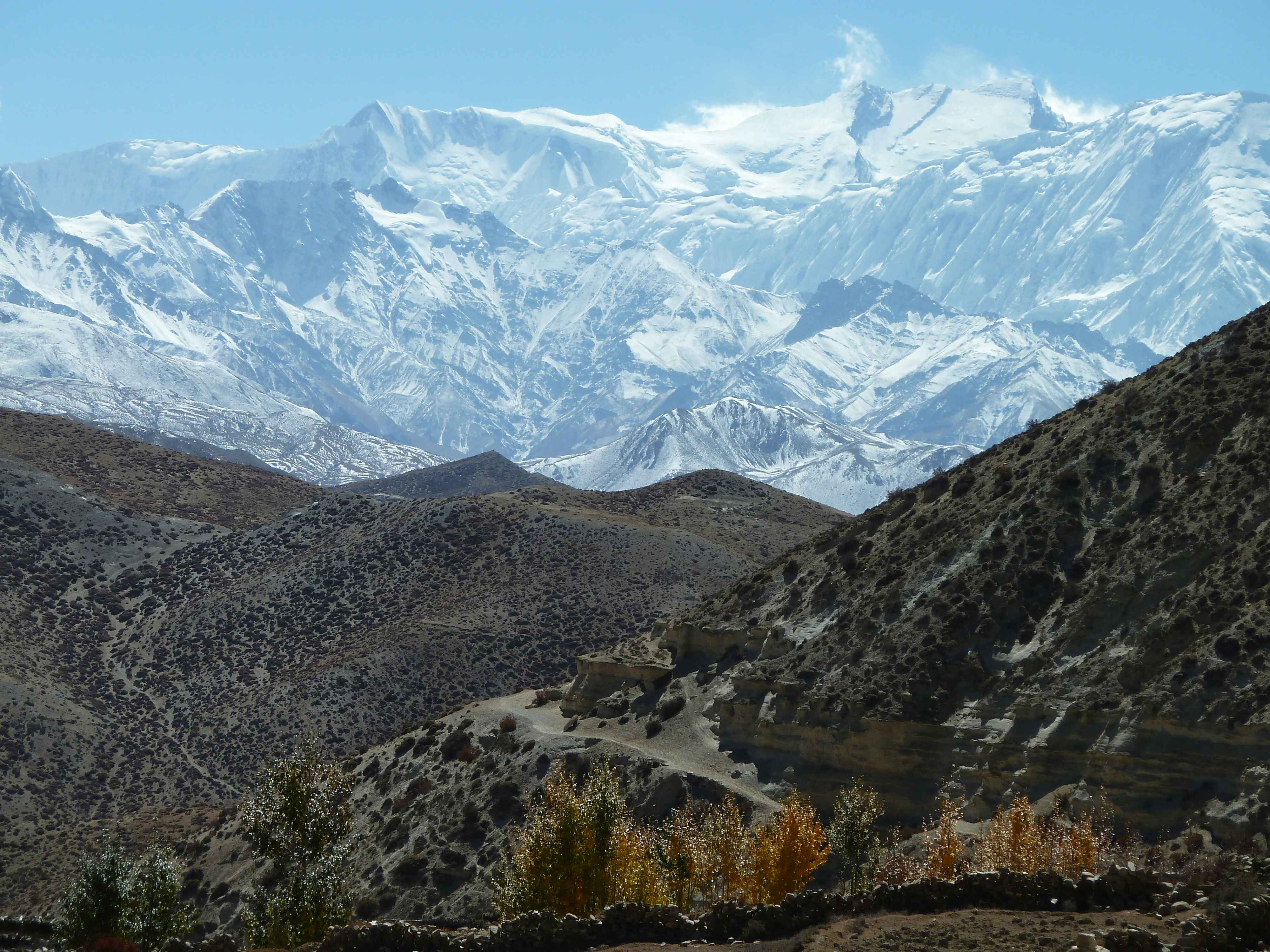
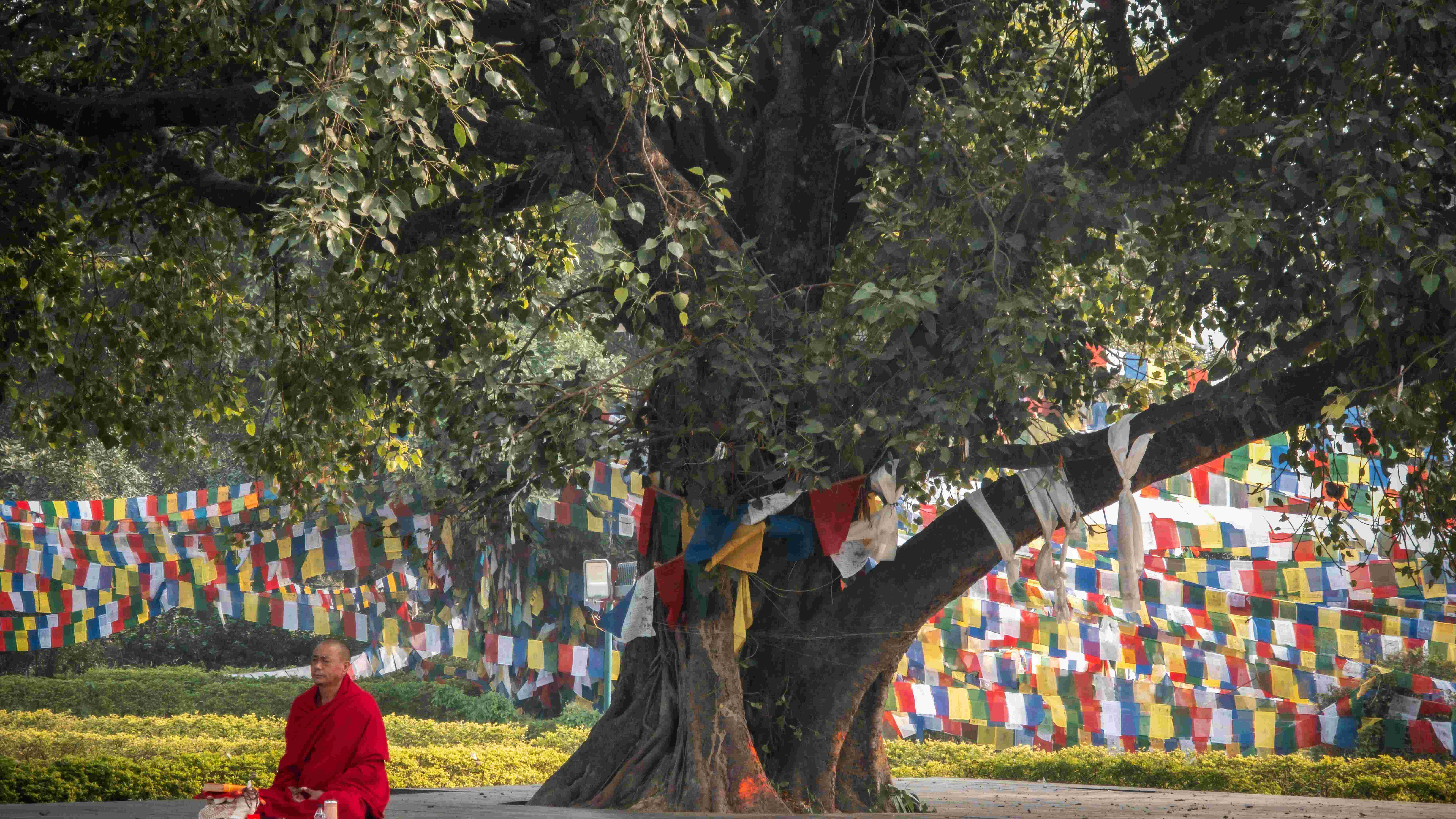
A morning session might take place on a quiet hillside overlooking the Himalayas. Meditation might happen in a monastery courtyard. An evening could involve listening to Buddhist chanting or simply sitting quietly while prayer flags move in the wind.
The surroundings aren't just a backdrop for the retreat.
They become part of the experience.
Who Teaches Yoga on a Nepal Retreat?
This is one of the most important things to understand before booking.
Yoga retreats in Nepal are generally led by trained yoga practitioners , rather than monks teaching yoga simply because the retreat takes place near a monastery.
Depending on the retreat, instructors may specialize in Hatha Yoga, Vinyasa, Ashtanga, Kundalini, pranayama, meditation, or traditional yogic philosophy. Some retreats also offer one-to-one guidance for participants who want additional support.
The teacher's role is to guide your physical and contemplative practice.
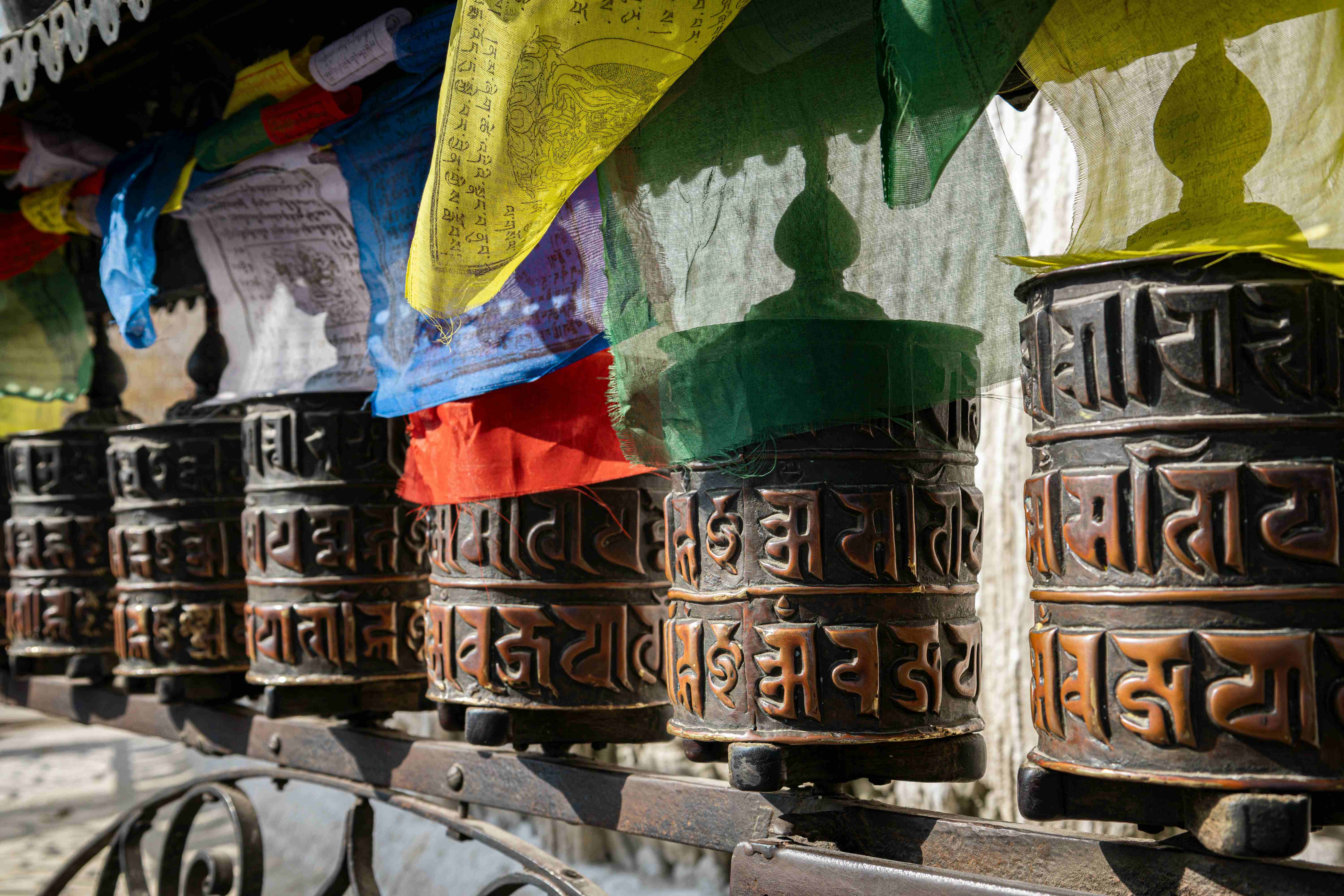
But in a monastery-based or spiritually focused retreat, you may also encounter monks, lamas, Buddhist teachers, or meditation instructors .
Their role is different.
A monk might lead a Buddhist teaching, explain meditation from a Buddhist perspective, conduct or explain a puja, or simply share aspects of monastic life.
This distinction matters.
A yoga teacher teaches yoga. A Buddhist monk brings a living Buddhist tradition into the experience.
When these two forms of knowledge meet respectfully, the retreat can become much deeper than a conventional wellness holiday.
What Does “Living Spirituality” Mean in Nepal?
One of the biggest differences between a retreat in Nepal and a retreat designed entirely around wellness is that spirituality here isn't necessarily something created for tourists.
Nepal is home to active temples, monasteries, pilgrimage sites, meditation centers, and communities where religious practice remains part of everyday life.
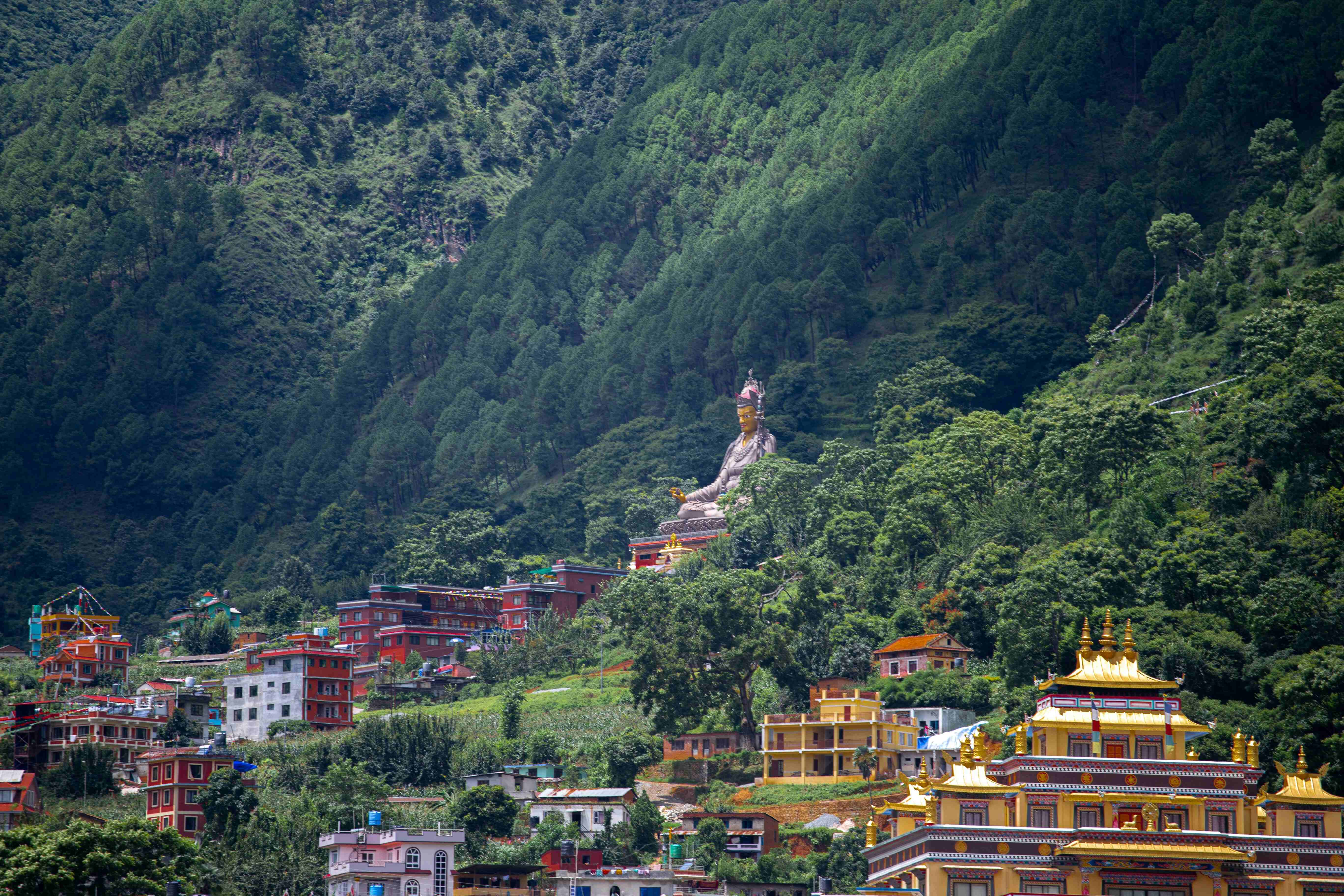
Pharping, for example, is a sacred area south of Kathmandu associated with Buddhist meditation caves and monasteries, while Namo Buddha is an important Buddhist pilgrimage site and monastic center.
When you visit these places during a retreat, you aren't necessarily entering a themed wellness environment.
You may hear monks chanting.
You may see devotees making offerings.
You may encounter people performing kora around a stupa.
You may sit quietly in a temple while daily prayers take place.
That is what makes the experience different.
You are not simply learning about spirituality. You are spending time in places where spirituality is still lived.
Do You Have to Be Buddhist or Hindu?
No.
You don't need to follow a particular religion to participate in a yoga and meditation retreat in Nepal.
Many retreats are designed for people who are simply curious about yoga, meditation, mindfulness, spirituality, or personal wellbeing. Monastery programs and Buddhist meditation courses may introduce Buddhist philosophy and practices, but participation does not necessarily require you to become Buddhist.
What matters most is respect .
Visitors are entering places of worship and communities that are meaningful to local people. Appropriate clothing, quiet behavior, and following instructions around photography, ceremonies, and sacred spaces are important.
You don't have to share someone's beliefs to respectfully experience them.
What Does a Typical Day Look Like?
There is no single schedule for every retreat, but a typical day may begin early.
Morning
6:00 AM — Wake up
The day may begin before the surrounding landscape becomes busy.
6:30 AM — Yoga
A morning session may focus on asanas, breathing, stretching, balance, or more traditional Hatha practices.
7:30 AM — Meditation
The physical practice can transition into seated meditation, pranayama, mindfulness, or silent reflection.
8:30 AM — Breakfast
Breakfast is generally simple, nutritious, and vegetarian.
Midday
Late morning may involve a philosophy class, meditation teaching, workshop, nature walk, cultural visit, or simply personal time.
Lunch is followed by a period of rest.
This space is important.
A good retreat doesn't fill every hour with activities.
Afternoon
There may be another yoga or meditation session, a gentle hike, cultural experience, Ayurvedic treatment, or time to explore the surrounding area.
Evening
The day might close with meditation, chanting, reflection, a discussion with the teacher, or simply quiet time.
Some retreats may include Buddhist prayers or monastery ceremonies where appropriate.
The exact rhythm depends on the retreat, but the general principle is simple:
wake early, practice, eat simply, slow down, reflect, and sleep early.
Structured retreats commonly include morning yoga and meditation, teaching sessions, free time, and evening practice or reflection.
A Typical Day on a Monastery-Based Yoga & Meditation Retreat
The rhythm of the retreat follows the monastery rather than a conventional wellness resort schedule. Morning and evening prayers form natural anchors to the day , while yoga, meditation, meals, and personal time fit around them.
Early Morning — Monastery Morning Prayers
Begin the day with the monastery's morning prayers, accompanied by chanting, bells, and traditional Buddhist rituals. Guests can quietly observe or participate where appropriate.
Morning — Yoga & Meditation
After prayers, begin the day with a guided yoga session followed by meditation and breathwork, often in a peaceful space overlooking the surrounding hills or mountains.
Breakfast & Personal Time
Enjoy a simple breakfast before taking time to rest, journal, walk, or explore the surrounding area.
Late Morning / Afternoon — Learning & Exploration
Depending on the retreat, this time may include meditation teachings, yoga philosophy, cultural experiences, gentle walks, monastery visits, or simply time for yourself.
Lunch & Rest
Meals are generally vegeterian, simple and nourishing, followed by unstructured time to slow down and recharge.
Afternoon — Gentle Practice / Reflection
A second yoga, meditation, or mindfulness session may be offered, allowing participants to deepen their practice without making the retreat feel overly scheduled.
Evening — Monastery Prayers
As the day comes to a close, return to the monastery for evening prayers and chanting . This is often one of the most memorable parts of the experience, as the monastery settles into its evening rhythm.
Dinner & Quiet Evening
After dinner, enjoy a quiet evening for reflection, reading, journaling, or simply taking in the surroundings before an early night's rest.
The key message: the retreat isn't built around yoga alone. You are living within the rhythm of an active monastery, with yoga and meditation woven naturally around its daily spiritual practice.
What Kind of Yoga Will You Practice?
Don't assume every retreat in Nepal teaches the same type of yoga.
Hatha Yoga is common, particularly for retreats that emphasize traditional practice. Sessions may combine physical postures with breathing and concentration.
Other retreats may include:
Vinyasa
Ashtanga
Yin Yoga
Kundalini
Pranayama
Meditation
Yoga philosophy
Mantra or chanting
Gentle restorative practices
Some retreats deliberately combine several approaches rather than following one style throughout the program.
If you're booking a retreat, check the program carefully.
A retreat designed for deep meditation will feel very different from an intensive yoga teacher-training program.
What About Meditation?
Meditation can take many forms.
You might practice:
Mindfulness — observing thoughts, sensations, and surroundings without immediately reacting to them.
Breath meditation — using awareness of the breath to develop concentration and calm.
Walking meditation — bringing attention to movement and surroundings.
Guided meditation — following instructions from a teacher.
Buddhist meditation — learning practices within a Buddhist philosophical framework.
Some retreats also include periods of silence.
You don't necessarily need to know how to meditate before arriving.
In fact, beginners are often welcome , and retreats can provide a structured environment in which to learn.
Where Do Yoga and Meditation Retreats Take Place in Nepal?
One of the biggest advantages of Nepal is the variety of settings available.
Nagarkot
Located on a ridge outside Kathmandu, Nagarkot is known for Himalayan sunrise views and its peaceful mountain environment.
It's particularly suitable for travelers who want a retreat close to Kathmandu without giving up dramatic landscapes.
Morning yoga with the Himalayas appearing beyond the valley can become part of the daily rhythm rather than a one-time sightseeing experience.
Dhulikhel
Dhulikhel offers a combination of mountain views, forested surroundings, traditional settlements, and access to Buddhist sites.
It works particularly well for retreats that want to combine wellness with culture and gentle nature experiences.
Namo Buddha
Namo Buddha offers a deeper spiritual atmosphere.
The area is home to an important Buddhist monastery and pilgrimage site, making it particularly suited to retreats incorporating meditation, Buddhist teachings, quiet reflection, and monastery experiences.
Pharping
Pharping is one of the most compelling options for travelers interested in living spiritual traditions .
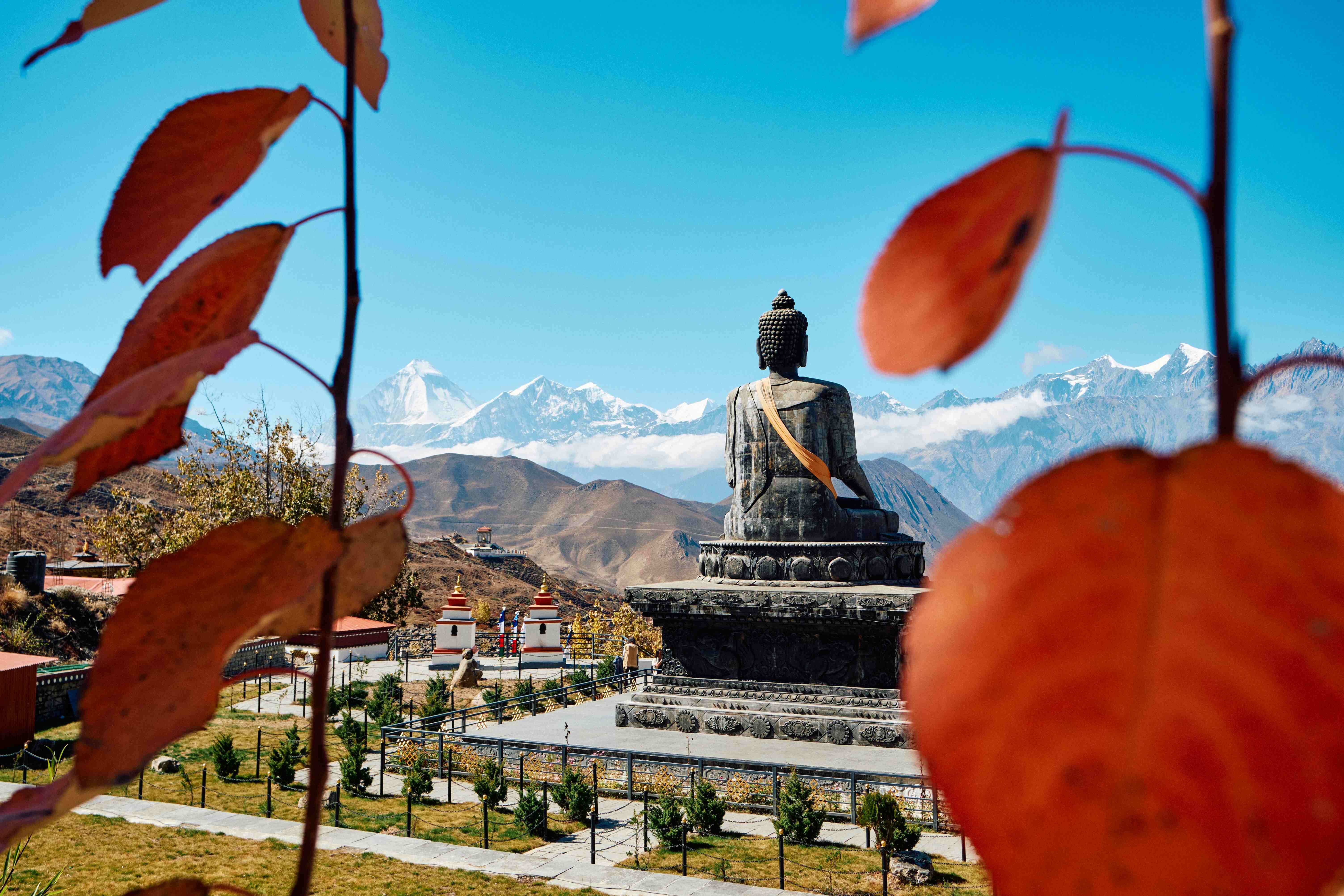
Located south of Kathmandu, it is associated with Buddhist meditation caves, monasteries, and Hindu sacred sites. Nepal Tourism Board describes Pharping as a hilltop area with Buddhist monasteries and sites associated with Padmasambhava.
Here, yoga can exist alongside Buddhist meditation, Hindu pilgrimage, chanting, and traditional spiritual practices.
Pokhara
Pokhara offers a completely different atmosphere.
With Phewa Lake, green hills, and views towards the Annapurna range, it combines a relaxed lakeside environment with a well-developed wellness and yoga scene.
It is particularly attractive for travelers who want to combine yoga with nature, light hiking, mountain views, and time around the lake.
What Is the Accommodation Like?
This depends enormously on the type of retreat you choose.
You could stay in:
a boutique hotel
a dedicated yoga retreat center
a mountain lodge
a wellness resort
a guesthouse
a monastery guesthouse
A monastery-based experience will generally be simpler than a luxury wellness resort.
And that's part of the point.
You may have a modest room, simple vegetarian meals, an early morning schedule, and fewer conveniences than you would find in a conventional hotel.
But you're also experiencing something very different from a resort vacation.
Comfort levels vary, so always check what is included before booking.
What Will You Eat?
Food is usually an important part of the retreat experience.
Many yoga and meditation retreats serve vegetarian meals , with some following more specific yogic or Ayurvedic dietary principles. Vegan and other dietary requirements can often be accommodated when arranged in advance.
In Nepal, this might mean simple meals based around:
rice
lenses
vegetables
seasonal produce
soups
fruits
herbal teas
At a monastery, meals may be particularly simple.
The idea isn't necessarily to create elaborate "wellness cuisine."
It is often about eating simply, mindfully, and sufficiently .
What Happens When You're Not Doing Yoga?
This is perhaps the most underrated part of a retreat.
You don't need every moment to be productive.
You may spend an afternoon:
walking through a forest
reading
journaling
sitting quietly
exploring a nearby village
visiting a monastery
drinking tea
talking with other retreat participants
watching the mountains
simply doing nothing
That empty space is intentional.
A retreat is partly about changing the relationship you have with time.
Instead of asking:
"What am I doing next?"
you begin to ask:
“What do I actually need right now?”
Is a Yoga and Meditation Retreat in Nepal Suitable for Beginners?
Yes.
You don't need to be able to touch your toes.
You don't need years of meditation experience.
And you certainly don't need to be spiritually enlightened before you arrive.
Many retreats are designed to accommodate beginners alongside people with an established practice.
The important thing is choosing the right retreat.
A beginner-friendly retreat focused on gentle yoga and meditation is very different from an intensive yoga teacher training or a strict 10-day meditation course.
Do You Need To Be Flexible?
No.
This is one of the biggest misconceptions about yoga.
A retreat isn't a competition to see who can perform the most advanced posture.
For many participants, the physical practice is simply a way of developing awareness of the body and breath.
Your teacher should be able to offer modifications and adapt practices to different experience levels.
You don't have to arrive flexible. You arrive willing to practice.
What Should You Bring?
You don't need a huge amount of specialist equipment.
Bring:
comfortable, modest clothing
light layers
warm clothes for mountain mornings
comfortable walking shoes
reusable water bottle
sunscreen
personal medication
notebook or journal
a small daypack
A yoga mat may be provided depending on the retreat, but bringing your own is always an option.
And perhaps the most important thing to bring:
a willingness to slow down.
What a Retreat in Nepal Is Really About
A yoga and meditation retreat in Nepal isn't necessarily about achieving the perfect yoga pose or meditating for hours without a thought.
It's about creating enough space to notice things that everyday life makes easy to overlook.
Your breath.
Your surroundings.
Your thoughts.
The people around you.
The rhythm of your day.
And perhaps the mountain landscape outside your window.
In Nepal, yoga and meditation can take place within a much larger cultural environment—one where monasteries are still active, pilgrims still walk sacred paths, monks still chant, and spiritual practice remains part of everyday life.
That's what makes the experience different.
You don't simply retreat from the world. You step into a different rhythm of it.
Planning a Nepal retreat?
Frequently Asked Questions
Do I need previous yoga or meditation experience to join a retreat in Nepal?
No. Many retreats welcome complete beginners and adapt yoga and meditation sessions to different experience levels.