Blog Details
01Oct
One Day in Kathmandu, Beyond the Usual Sights
Kathmandu is often introduced through its famous heritage sites: Kathmandu Durbar Square, Swayambhunath, Boudhanath and Pashupatinath. These places deserve their place on a first visit, but they are only one part of the city.
Once you have seen the main attractions, there is another side of Kathmandu waiting to be explored. It is found in old neighbourhoods and quiet courtyards, in workshops where traditional crafts are still made by hand, in local markets, family kitchens, small galleries and communities where centuries-old traditions continue as part of everyday life.
For travellers wondering what to do in Kathmandu after seeing the main attractions, a day spent exploring these less obvious experiences can offer a very different understanding of the city.
Rather than moving from one major monument to another, you can spend your day getting closer to Kathmandu's living culture, religious traditions, creative communities and everyday life.
Start With the Older Side of Kathmandu
One of the easiest ways to experience a different Kathmandu is simply to slow down and walk through its older neighbourhoods.
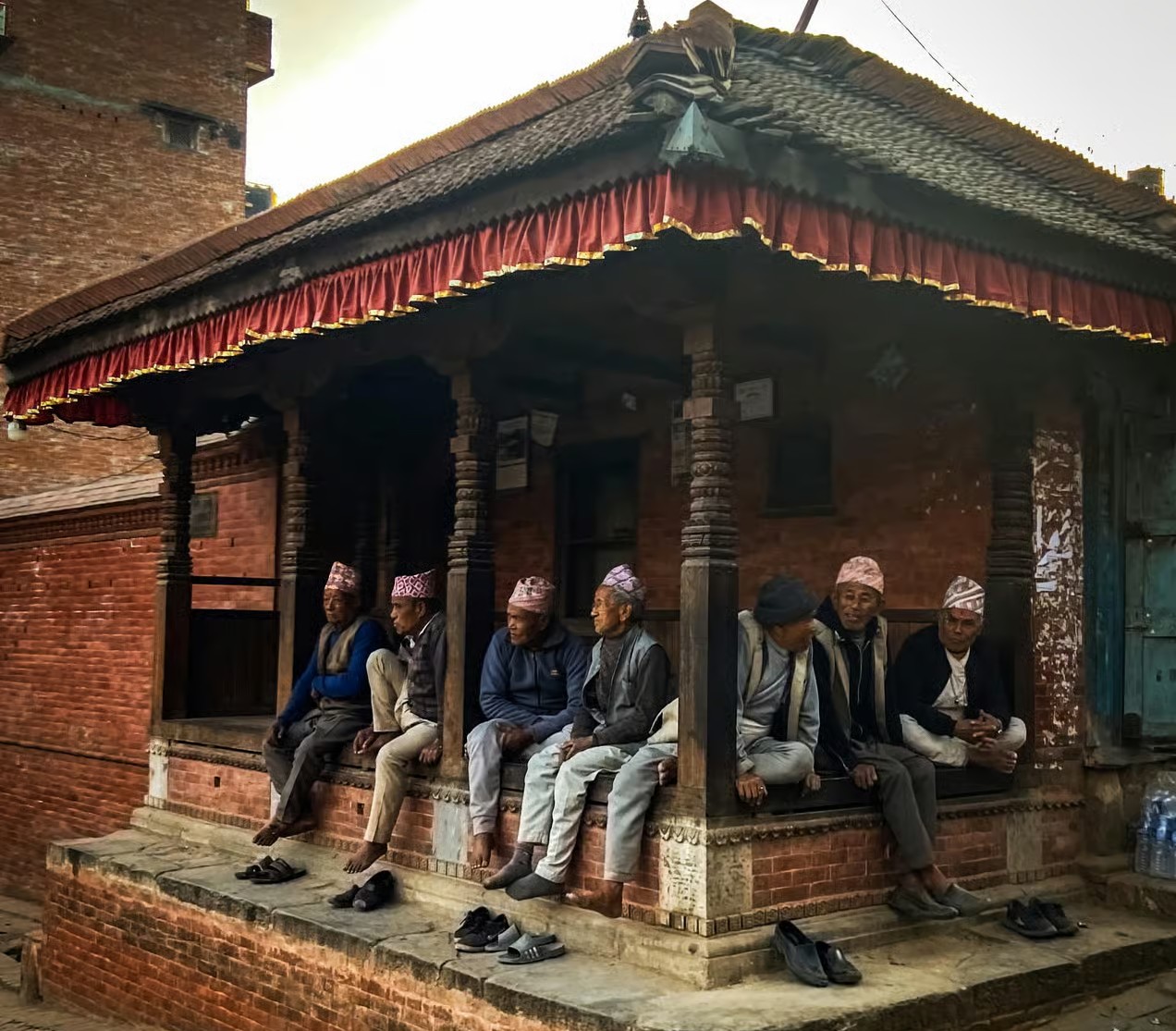
Away from the main tourist streets, the city becomes a maze of narrow lanes, traditional houses, small shrines and bahals, the historic courtyards found throughout the Kathmandu Valley. Some courtyards are connected with Buddhist monasteries and shrines, while others remain part of ordinary community life.
Areas around Asan, Indra Chowk and the older parts of Kathmandu are particularly interesting for this kind of exploration. These are working neighbourhoods rather than open-air museums, with people shopping, trading, worshipping and going about their daily routines. Historic architecture and religious traditions are often woven directly into the modern city.
A walk through these areas also gives you an opportunity to notice details that are easy to miss when visiting Kathmandu's major monuments: carved wooden windows, small chaityas, traditional courtyards, old shrines and workshops tucked into the streetscape.
Kathmandu's cultural heritage is not limited to its large monuments. Much of it continues in these smaller spaces and everyday surroundings.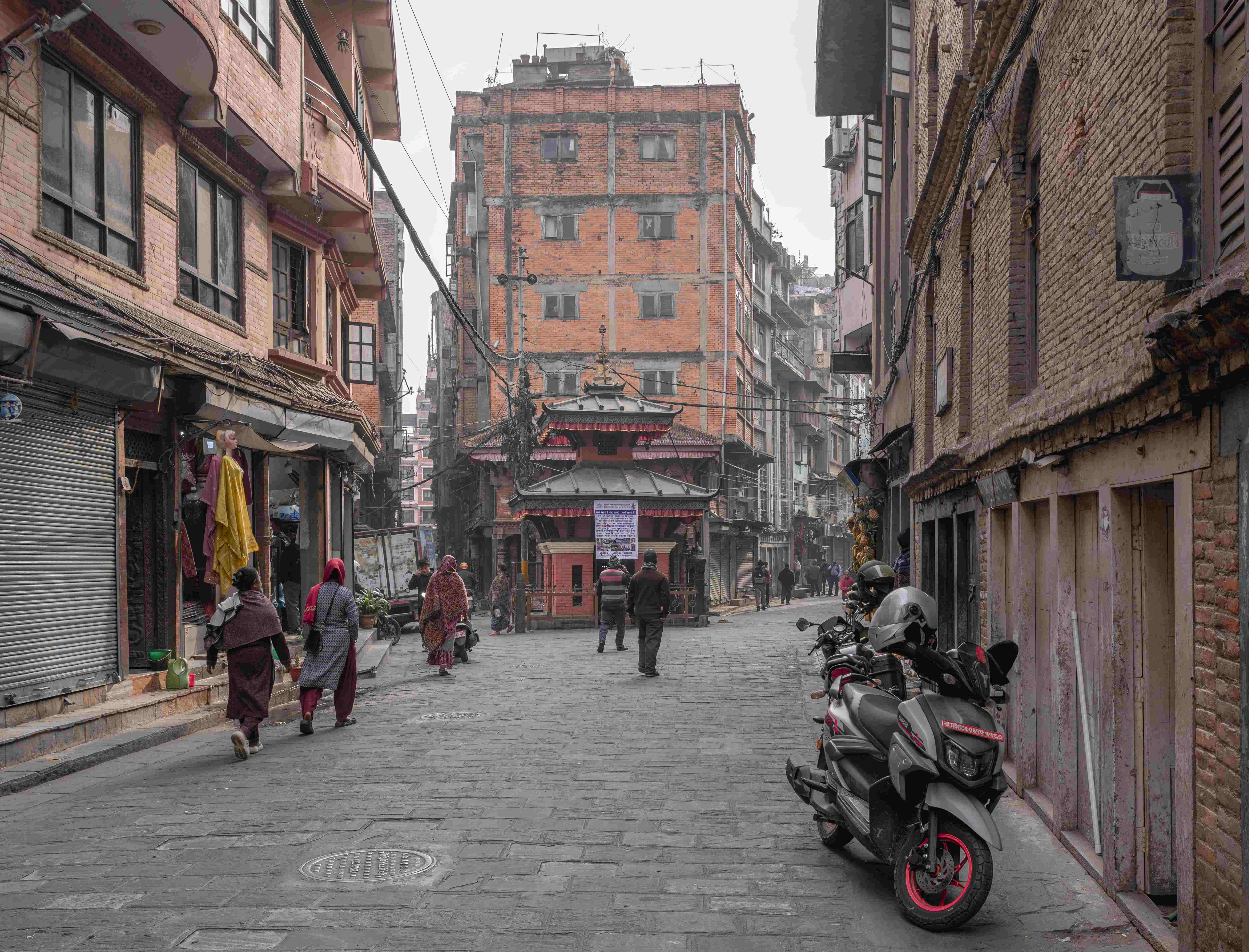
Discover the Newar Heritage of the Valley
The Kathmandu Valley was shaped over centuries by Newar communities, whose influence can be seen in its architecture, festivals, crafts, music and food.
If you have already visited the major heritage sites, you can use your free day to explore this heritage through the towns and communities where it continues to live.
Kirtipur is one possibility. Instead of treating it simply as another collection of temples, take time to walk through its older streets, courtyards and residential areas. The character of the town comes as much from its everyday life and traditional architecture as from its individual monuments.
Bungamati and Khokana offer another perspective. These historic Newar settlements provide opportunities to see traditional houses, agricultural landscapes, local crafts and community life outside the centre of Kathmandu.
The point is not necessarily to visit every historic town in the Valley in one day. It is to choose one area and spend enough time there to appreciate how heritage remains part of everyday life.
For travellers looking for unique experiences in Kathmandu, this kind of slower exploration can offer a different perspective from a conventional sightseeing itinerary.
Look Beyond the Big Buddhist Sites
Kathmandu and the surrounding Valley are home to a much wider Buddhist landscape than the famous stupas most visitors know.
In the older neighbourhoods of Kathmandu, small chaityas, shrines and Buddhist courtyards can appear within the fabric of everyday community life. Some are modest structures that can easily be overlooked, but they reflect the long history of Buddhist practice in the Valley.
Beyond the city, the landscape changes again. Pharping, south of Kathmandu, is an important Buddhist pilgrimage area with monasteries, meditation sites and caves associated with Buddhist traditions. The area is also known for its connections with Guru Rinpoche, or Padmasambhava, making it an important destination for Tibetan Buddhist practitioners.
The Valley's monasteries, or gumbas, provide another way to understand contemporary Buddhist practice. Some are large institutions, while others are quieter monastic spaces connected with local communities. Their significance is not limited to their architecture; they remain places of study, prayer, meditation and religious life.
Further from central Kathmandu, Namo Buddha offers a different setting altogether. Located in the hills southeast of the Valley, the site is associated with an important Buddhist legend and is home to the Thrangu Tashi Yangtse Monastery. The journey there also changes the experience, taking travellers away from the dense urban environment into a quieter hill landscape.
There are also smaller Buddhist monuments scattered across the Valley, including chortens and other sacred structures. A chorten above Budhanilkantha, for example, provides another reminder that Buddhist religious spaces are not confined to the major pilgrimage sites or city-centre monuments.
Together, these places show the diversity of Buddhism in and around Kathmandu: from small neighbourhood shrines and chaityas to monasteries, pilgrimage sites and hilltop religious landscapes. 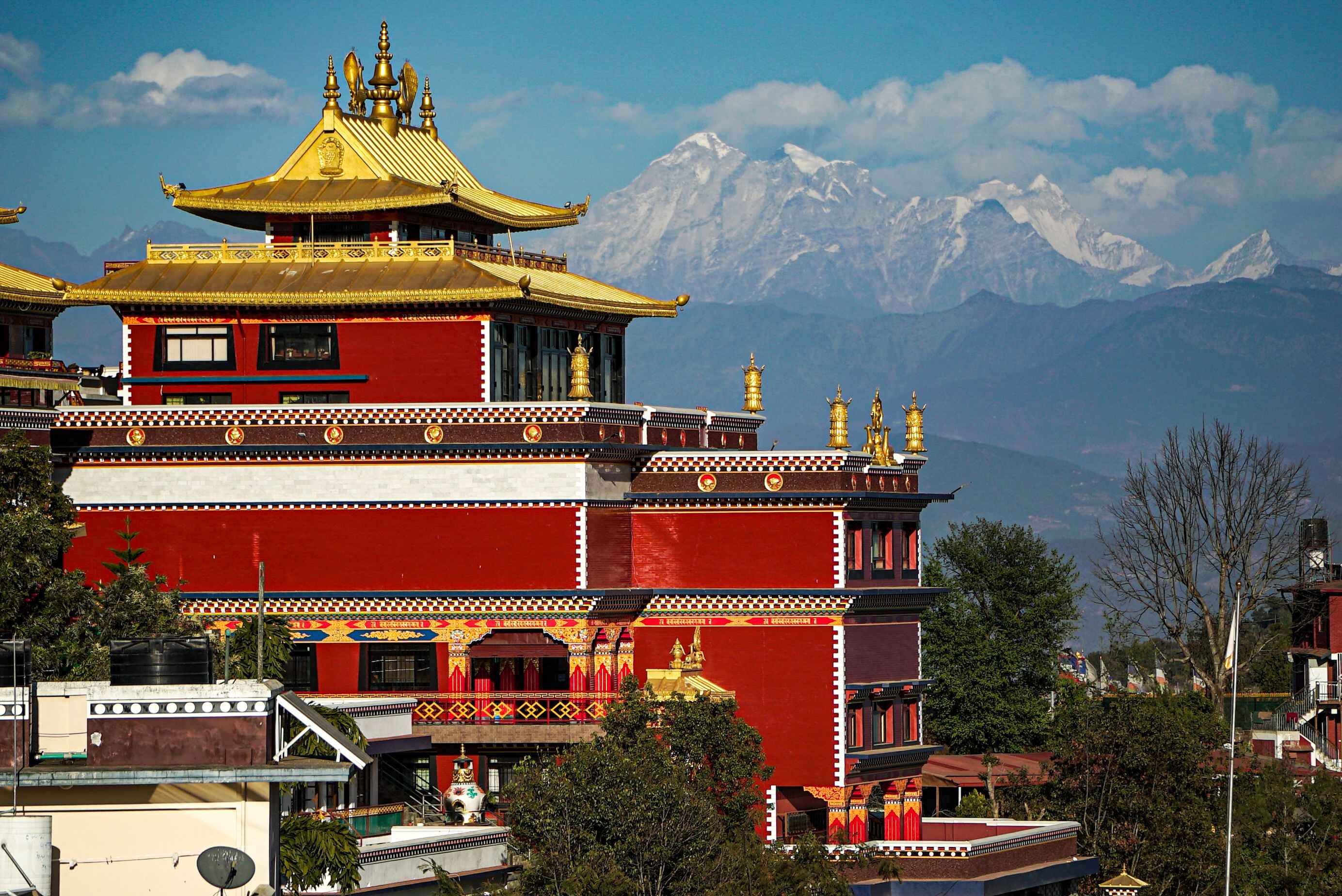
Explore Kathmandu Through Spiritual Experiences
Religion in Kathmandu is not something that exists only inside monuments. For many people, it remains part of everyday life, and travellers can experience this through rituals, prayer, music, incense and other practices.
One of the most atmospheric examples is the evening Aarati at Pashupatinath. As the day comes to an end, the ritual takes place along the Bagmati River, accompanied by lamps, devotional music, chanting and the movement of incense. The experience is particularly different from visiting the temple during the daytime because the focus is on the evening ritual and the atmosphere surrounding it.
Another option is the evening Aarati at ISKCON Kathmandu, where devotional singing, music and worship create a different spiritual setting. Experiencing both traditions also provides an interesting contrast in the ways Hindu devotional practices are expressed.
Spiritual experiences in Kathmandu can be quieter as well. An incense-making experience, for example, can introduce travellers to the preparation of traditional incense and the role of fragrance in religious and everyday settings.
These experiences offer a way to understand Kathmandu through its living spiritual traditions rather than simply through the architecture of its temples.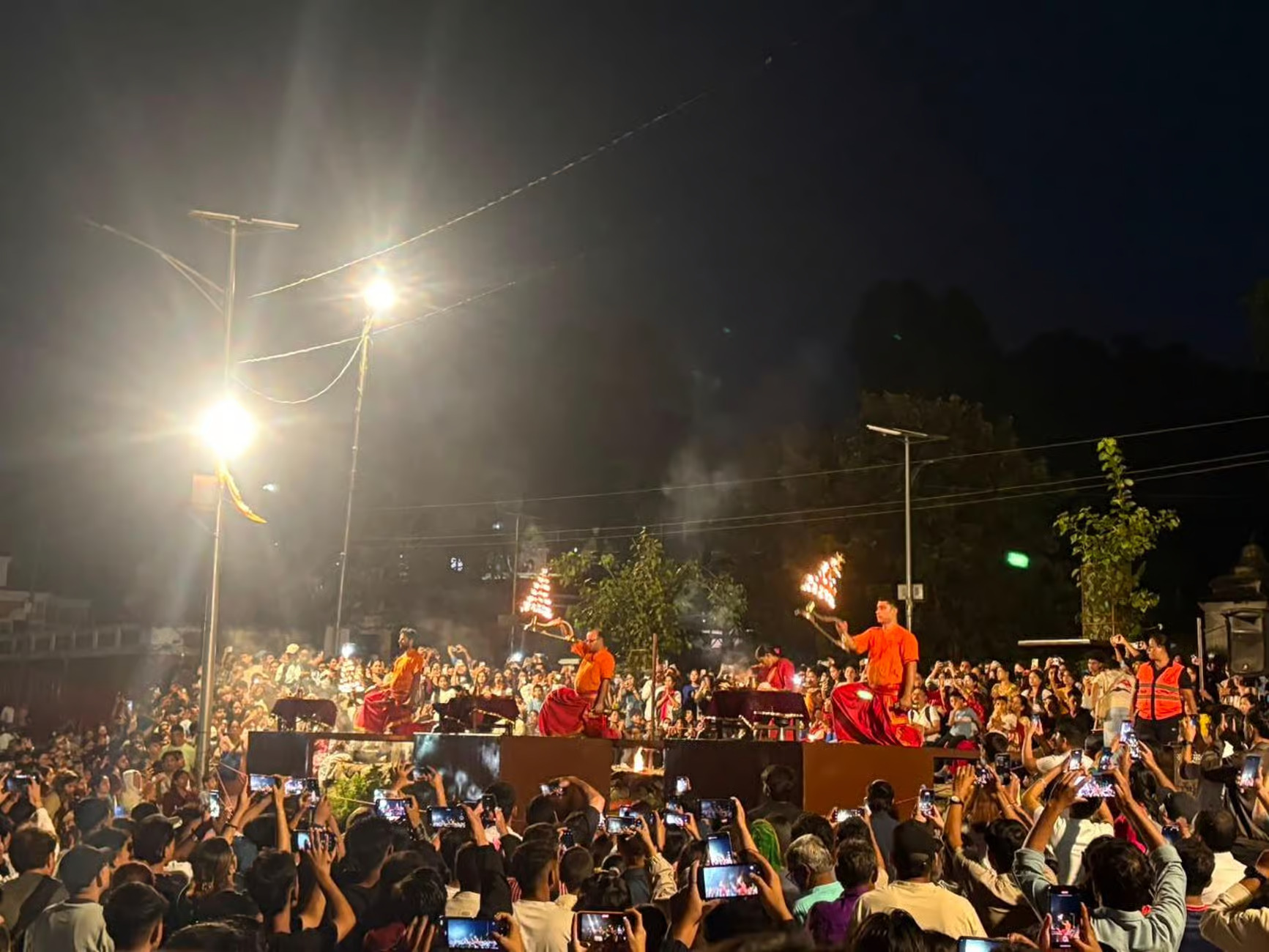
Spend Time Around Boudhanath in a Different Way
Boudhanath is one of Kathmandu's best-known landmarks, but there are ways to experience the area beyond simply walking around the stupa.
The neighbourhood surrounding the stupa is filled with monasteries, Tibetan Buddhist shops, cafés, galleries and places connected with Himalayan Buddhist traditions. Spending time here can reveal a more layered side of the area.
A sound healing experience using Himalayan and Tibetan singing bowls, gongs and other instruments offers another way to engage with the cultural atmosphere around Boudhanath. Rather than being another sightseeing stop, it gives travellers time to slow down and experience sound as part of a contemplative setting.
The surrounding galleries provide another dimension. A visit to a Himalayan art gallery can introduce visitors to Thangka paintings, Buddhist imagery and the detailed artistic traditions associated with Himalayan religious culture.
Together, a visit to Boudhanath, an art gallery and a sound healing experience can make the area feel quite different from a conventional monument visit.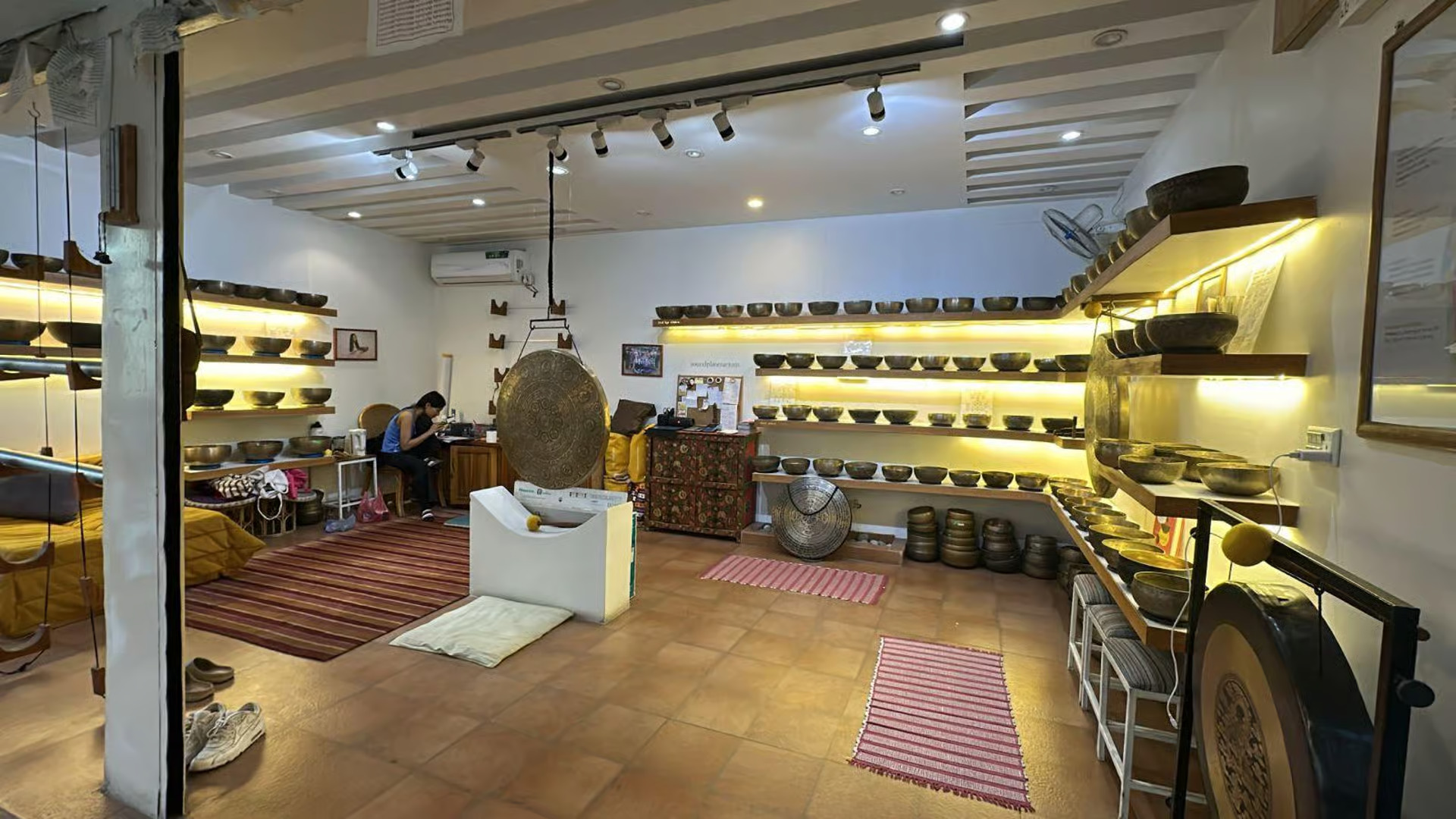
Spend Time With Kathmandu's Traditional Arts
Kathmandu Valley is also a place where traditional craftsmanship remains part of contemporary life.
In Patan, for example, traditional metalwork, woodcarving and Paubha painting continue through workshops and studios. Around Kathmandu and Bhaktapur, you can also find opportunities to learn about traditional wood carving, pottery and other crafts.
Instead of simply buying a finished souvenir, a hands-on experience lets you understand the skill behind it.
You might spend part of the day learning basic wood-carving techniques, trying your hand at pottery, or visiting a Paubha or Thangka painting studio to understand how artists approach these highly detailed traditional forms.
In Bhaktapur, a pottery experience can take you directly into the process of working with clay. Around Patan, a visit to an artist's studio can introduce you to the symbolism and discipline behind traditional Buddhist painting.
Traditional crafts can also be experienced through smaller activities. Learning to make a leaf tapari, for example, offers a simple introduction to a traditional everyday craft, while a khukuri-making experience provides insight into the techniques behind one of Nepal's most recognisable traditional tools.
These experiences are particularly interesting because the craft is not presented as something belonging only to the past. It is still practised, taught and adapted by artists and craftspeople today.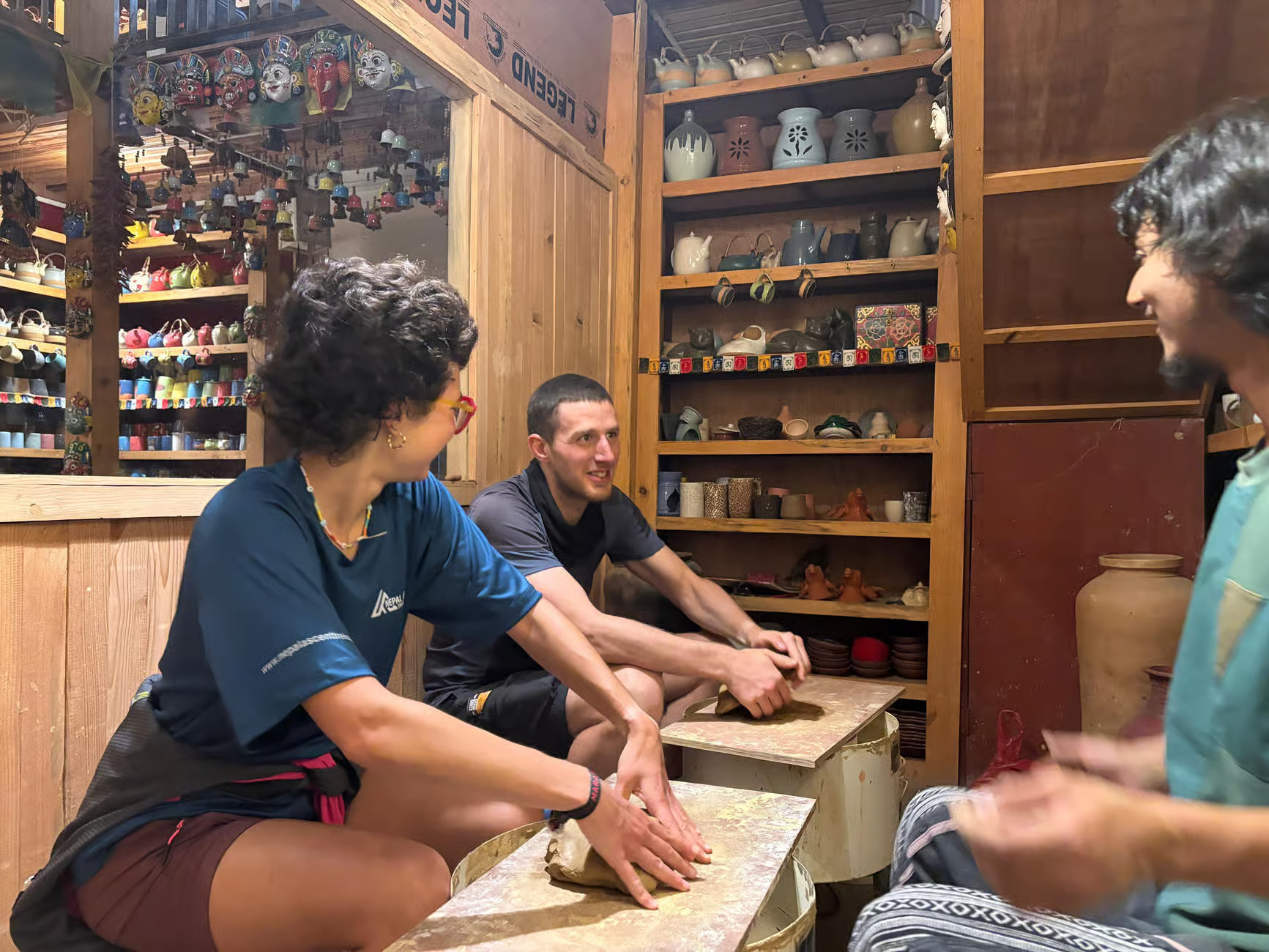
Eat Your Way Into Local Culture
Food is another way to experience Kathmandu beyond its famous sights.
If your previous meals have mostly been at restaurants around the tourist areas, use your free day to explore local flavours and Newari cuisine. The old markets and neighbourhoods around Kathmandu provide a good starting point, while Patan, Kirtipur and Bhaktapur each offer their own food traditions.
An authentic Nepali food experience in Kathmandu does not have to mean simply sitting down to eat a traditional meal. It can begin with a local market, continue through a family kitchen or cooking experience, and end around a shared table.
You could learn how everyday ingredients are prepared before making dishes such as dal bhat or momo, or explore Newari cooking through dishes such as bara, chatamari and samay baji.
Newari cuisine is particularly closely connected with festivals, family gatherings and community traditions, making food an interesting way to understand the culture of the Kathmandu Valley.
For something simpler, explore a local market and stop at small eateries along the way. Asan and Indra Chowk, for example, are not simply places to look for photographs. They remain active markets where people shop for food, spices, household goods and religious items.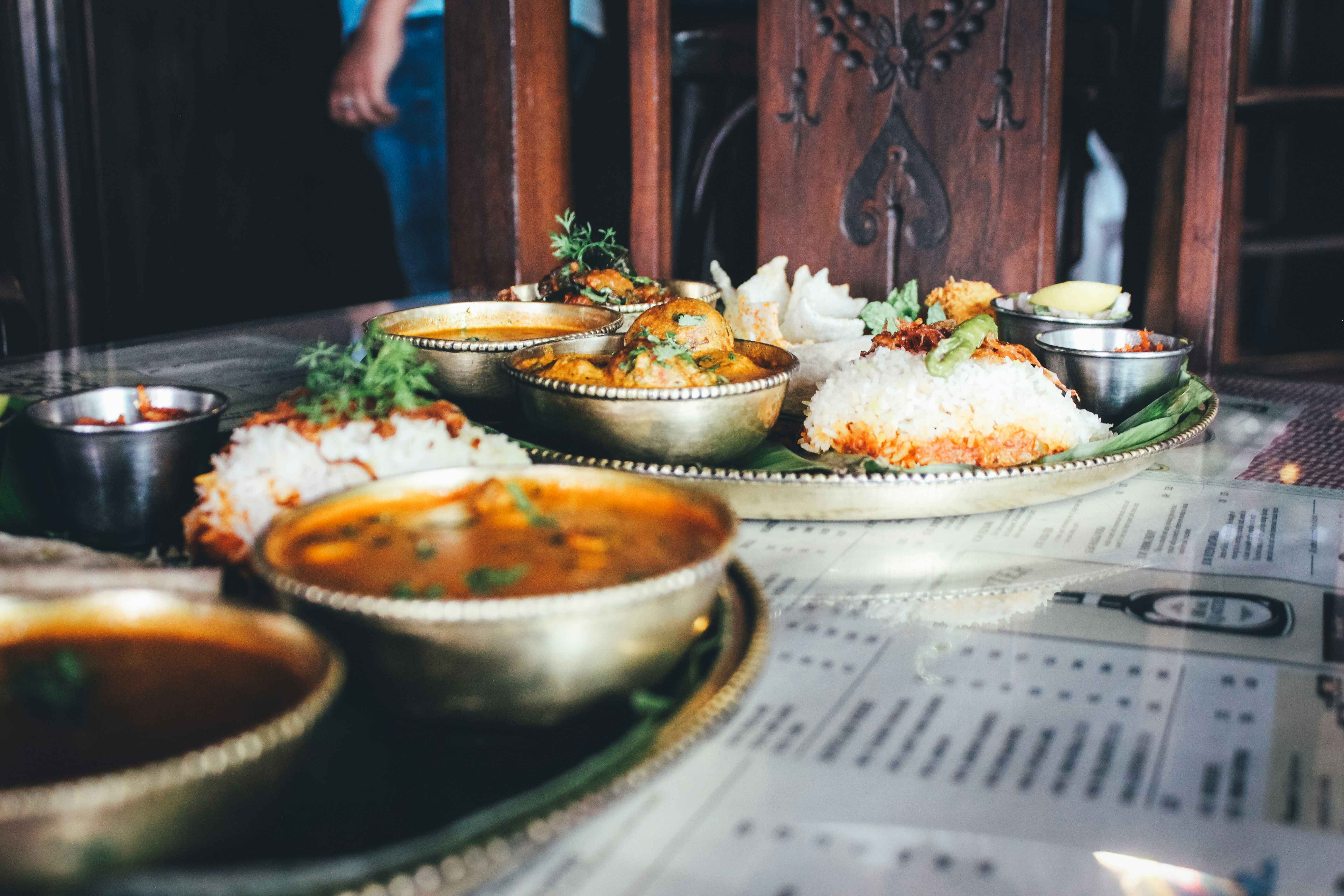
Experience Kathmandu Through Music
Music can reveal another side of the city.
The Gandharva tradition is closely associated with travelling musicians and storytellers, and the Sarangi has become one of the most recognisable instruments connected with this tradition.
Meeting Gandharva musicians can offer more than a short musical performance. It can introduce travellers to songs, stories and traditions passed through generations, while providing a chance to understand the role of music within Nepali cultural life.
Traditional music can also become part of an ordinary evening in Kathmandu. Rather than treating music as a performance separate from the destination, it can be a way to connect with stories, instruments and traditions that have developed within Nepali communities.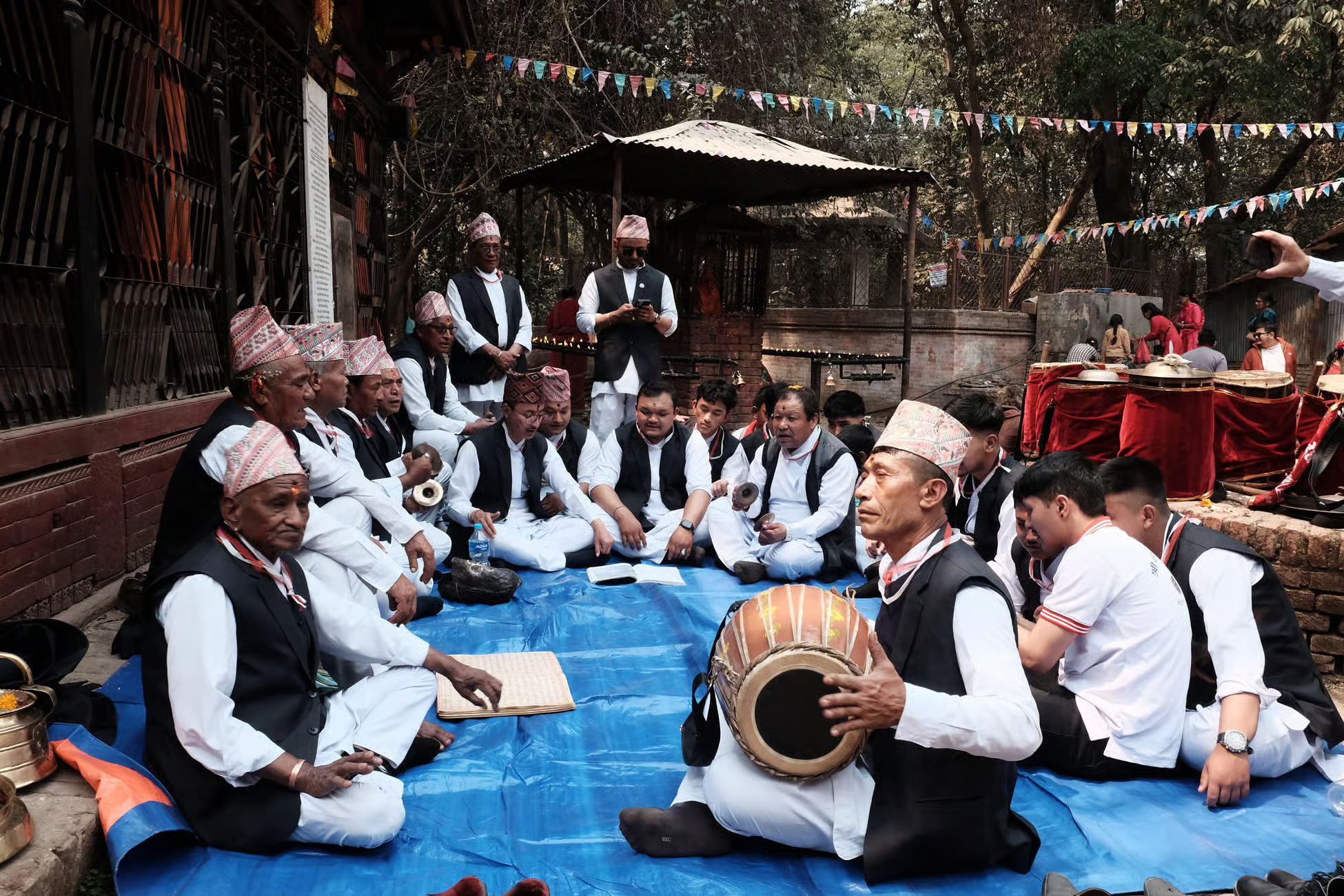
Look for a Sunrise or Sunset
Not every experience has to involve a heritage site or organised activity.
Sometimes, simply changing the time and pace of sightseeing can make a familiar landscape feel different.
A sunrise or sunset from a suitable viewpoint around the Valley can offer a quieter way to experience Kathmandu and its surrounding hills. Nagarkot is one of the better-known options, but there are also viewpoints and hill communities where the experience is less about ticking off a viewpoint and more about watching the landscape change.
Around Nagarkot, a morning walk through terraced fields and nearby villages can combine the changing mountain light with a closer look at rural life. A community hike can make the experience more about the landscape and people than simply arriving at a viewpoint, taking photographs and leaving.
Or Step Outside the City for a Few Hours
If you want to get away from Kathmandu's busy streets altogether, there are also quieter corners of the Valley that can be reached within a day.
A short walk through countryside, a community hike or a visit to a traditional settlement around the Valley can bring a completely different rhythm to the day.
Nagarkot, Kirtipur, Bungamati and Khokana each offer different possibilities, from traditional communities and old architecture to agricultural landscapes and hillside walks.
For something more spiritual, Pharping or Namo Buddha can turn the day into a journey through Buddhist heritage and quieter mountain landscapes. These places require more travel time than an experience within Kathmandu itself, but they can be worthwhile when the goal is to spend a day exploring beyond the usual city itinerary.
The best choice depends on what you want from your day. Some travellers may prefer art and craftsmanship, while others may want food, music, spirituality, walking or local communities.
How to Spend One Day in Kathmandu
You do not need to see everything to experience a different side of Kathmandu.
A good day might begin with a walk through an old neighbourhood, followed by a local food experience. The afternoon could be spent visiting an artist's studio, exploring Boudhanath and its surrounding galleries, or joining a traditional craft workshop.
For a more spiritual day, you might explore Buddhist heritage around the Valley, spend time around Boudhanath, experience a sound healing session or visit a monastery. An evening Aarati at Pashupatinath or ISKCON can then offer a very different atmosphere as the city moves into the evening.
Another option is to dedicate the entire day to one part of the Valley. You could explore Kirtipur and its Newar heritage, spend time discovering the traditional arts of Patan, visit Pharping or Namo Buddha, or combine a countryside walk with a quieter historic settlement.
The important thing is to leave enough time to stop.
Kathmandu rewards travellers who are willing to look beyond the obvious attraction, enter a courtyard, talk to a craftsperson, try an unfamiliar dish, listen to traditional music or simply sit somewhere and watch the city around them.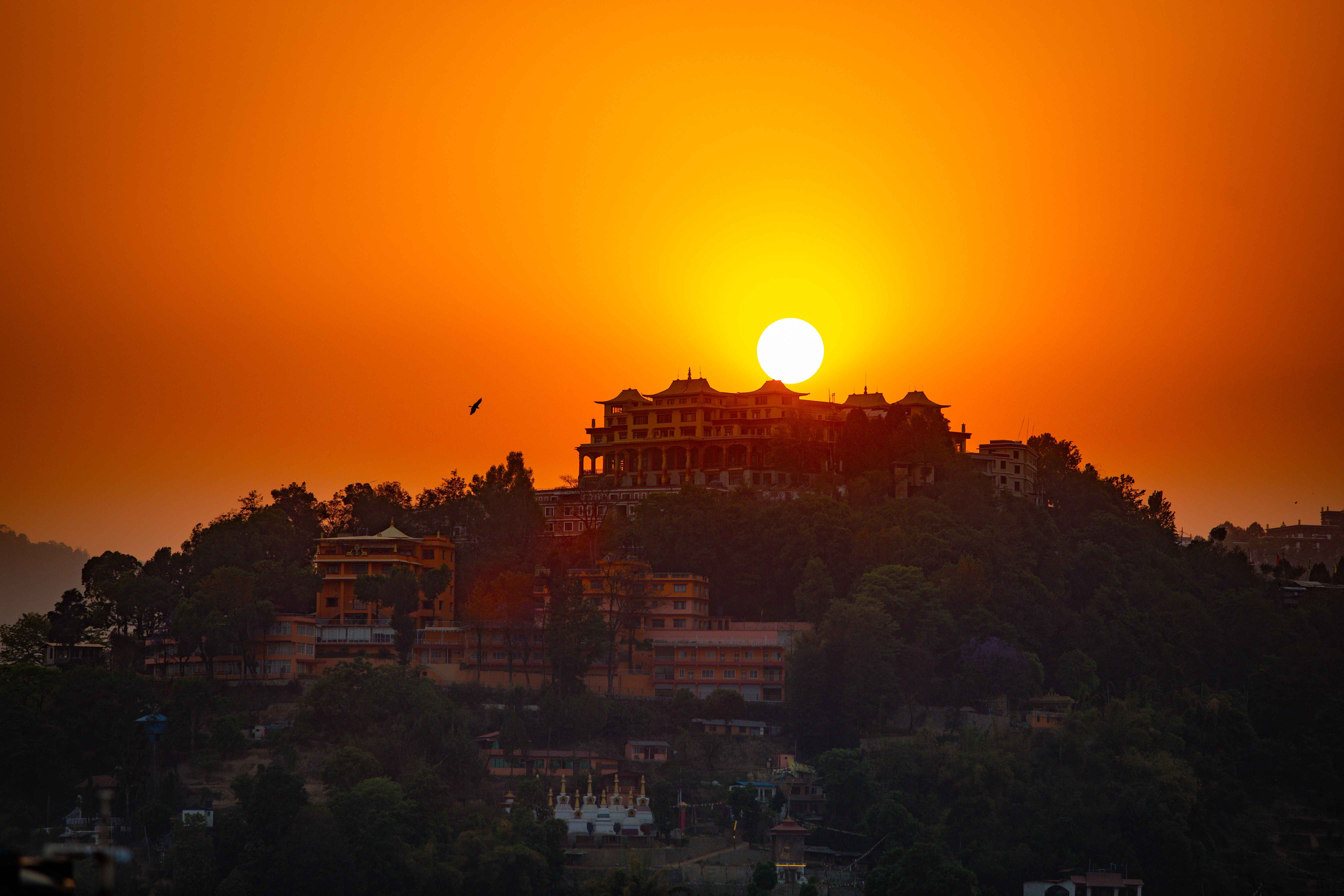
Kathmandu Beyond the Usual
The most memorable parts of Kathmandu are not always the places that appear first on a sightseeing itinerary.
They can be found in the sound of a Sarangi being played, the movement of a potter shaping clay, the smell of incense in a temple courtyard, the details of a carved wooden doorway, a meal shared around a local table, an evening Aarati beside the Bagmati, or a quiet monastery in the hills beyond the city.
These experiences do not replace Kathmandu's famous heritage sites. They add another layer to them.
If you have already seen the major attractions, or simply have one free day and want to experience the city differently, look beyond the usual sightseeing route. Kathmandu's culture becomes much easier to understand when you meet the people, communities, artists and traditions that continue to shape it.
Sometimes, the best way to discover Kathmandu is not to see more sights, but to spend more time experiencing the city itself.
Experience Kathmandu Differently
Frequently Asked Questions
1. What can I do in Kathmandu after seeing the main attractions?
You can explore old neighbourhoods, traditional crafts, local food, Buddhist and Hindu spiritual traditions, music, art galleries, and quieter communities around the Kathmandu Valley.