
The Geet of India
A Civilization, Not a Destination
The Philosophy
Many travelers come to India searching for monuments.
The marble perfection of the Taj Mahal. Ancient forts rising above desert cities. Palaces, temples, and sacred rivers that have filled books and imaginations for centuries.
And yes — India's landmarks deserve their place in the world.
But India is not defined by its monuments.
India is a civilization that has been continuously reinventing itself for thousands of years without ever completely letting go of its past.
It is a place where ancient philosophies still shape daily conversations, where festivals transform entire cities overnight, where dozens of languages coexist, and where traditions that began centuries ago continue to evolve rather than disappear.
At Geet Travel, we believe India cannot be understood through a checklist of attractions.
It must be experienced through its people, its contradictions, its stories, and its astonishing diversity.
The Geet of India is our attempt to travel beyond the highlights and discover the rhythm that connects a billion lives across one of the world's most complex societies.
How We Travel
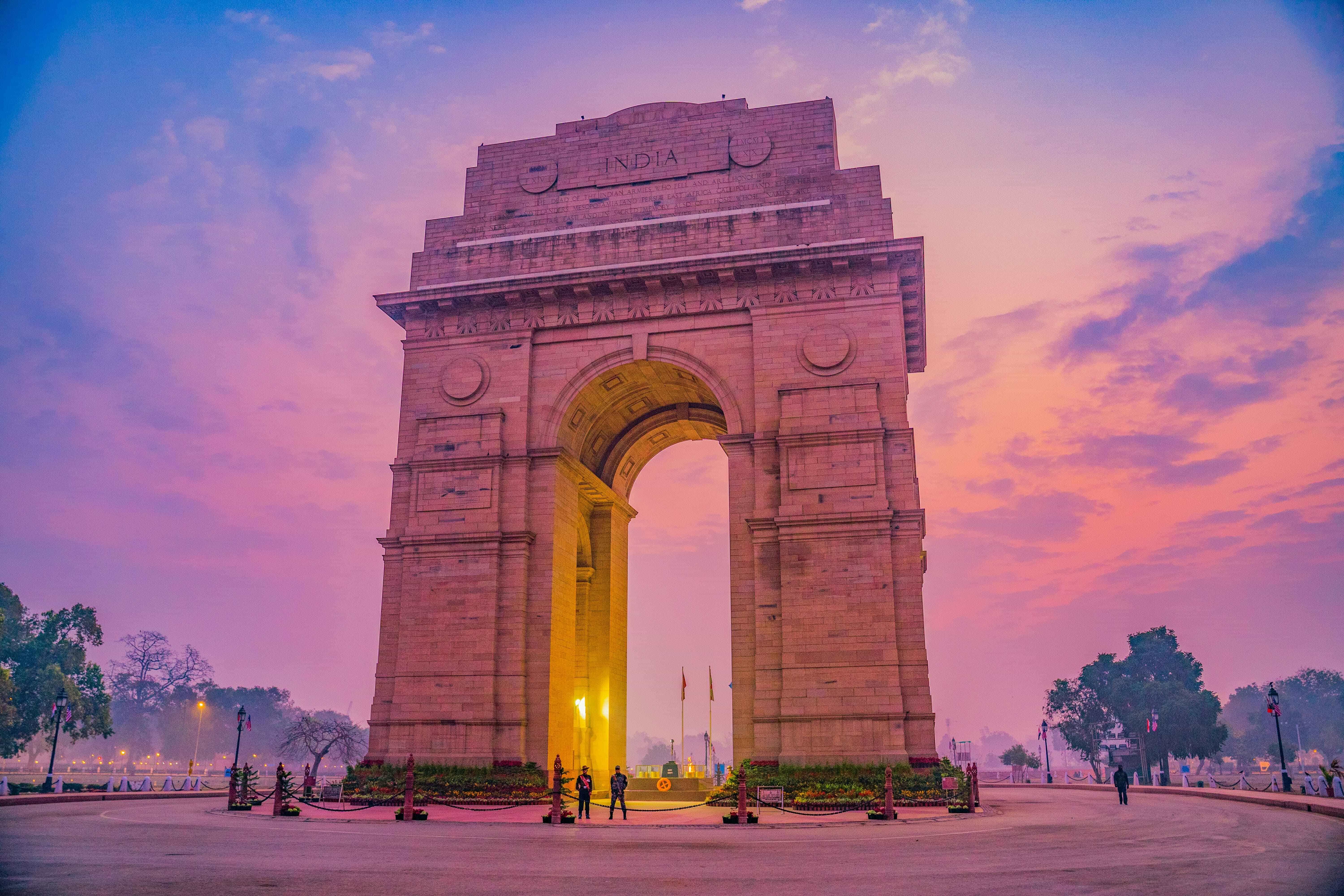
Delhi — Where Every Empire Left a Mark
India's capital is often described as chaotic.
But Delhi makes more sense when viewed as layers rather than a city.
Ancient kingdoms, Sultanates, Mughals, colonial rulers, and modern India have all left their imprint here. A single day can take you from medieval markets to imperial boulevards, from centuries-old mosques to contemporary cafés.
Delhi is not one city.
It is many cities built upon one another.
And nowhere else captures India's ability to absorb history and keep moving forward quite like its capital.
Agra — Beyond the Taj Mahal
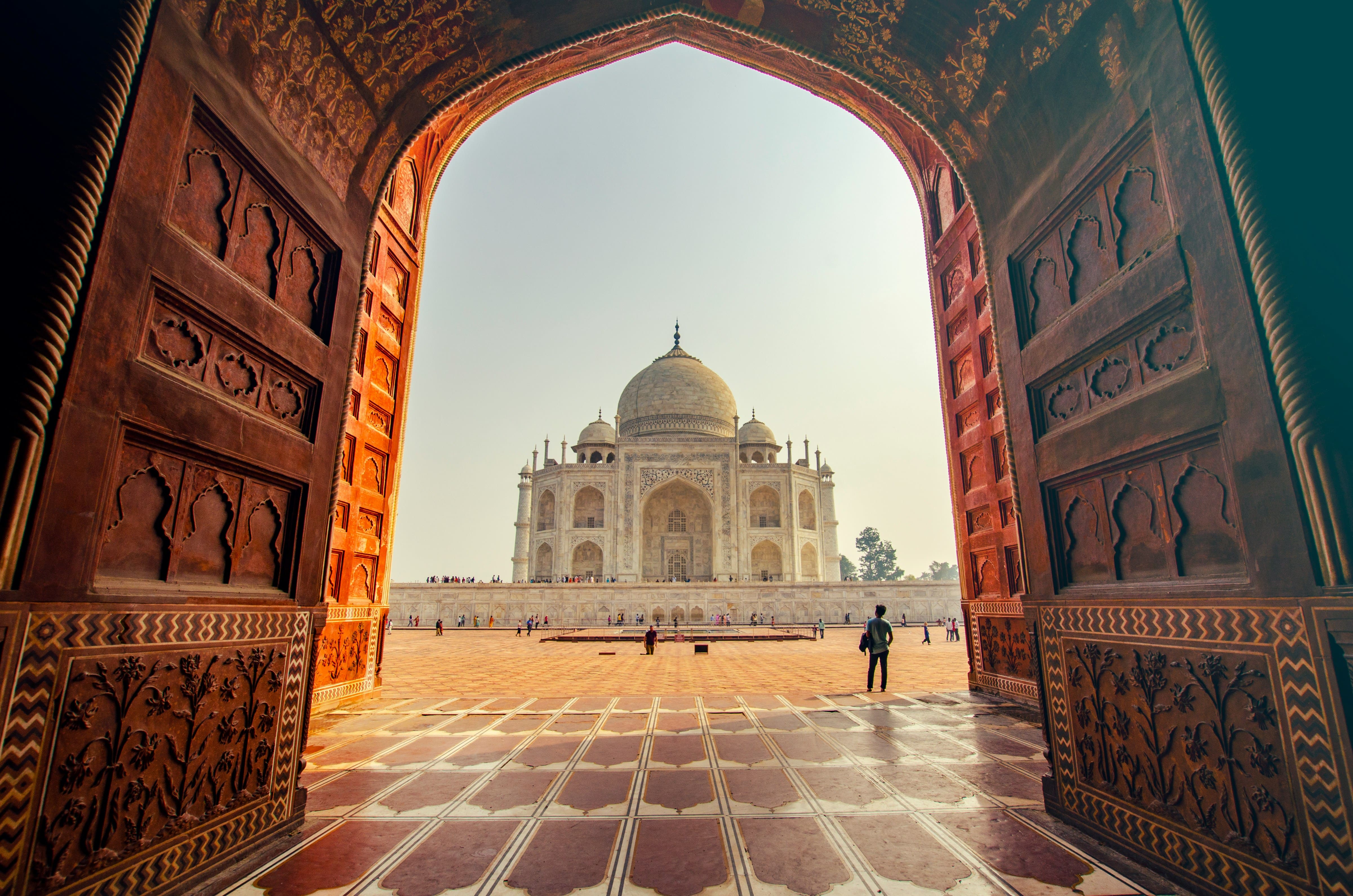
The Taj Mahal may be India's most recognizable monument.
Yet its true power is not in its marble alone.
It is a story of ambition, craftsmanship, empire, love, and the extraordinary skill of thousands of artisans whose work still astonishes the world centuries later.
Beyond the Taj, Agra reveals the broader story of the Mughal era — a period that shaped architecture, cuisine, language, art, and culture across the subcontinent.
To visit Agra is not simply to admire a monument.
It is to understand a chapter of India's civilization.
Varanasi — Where Time Flows Differently
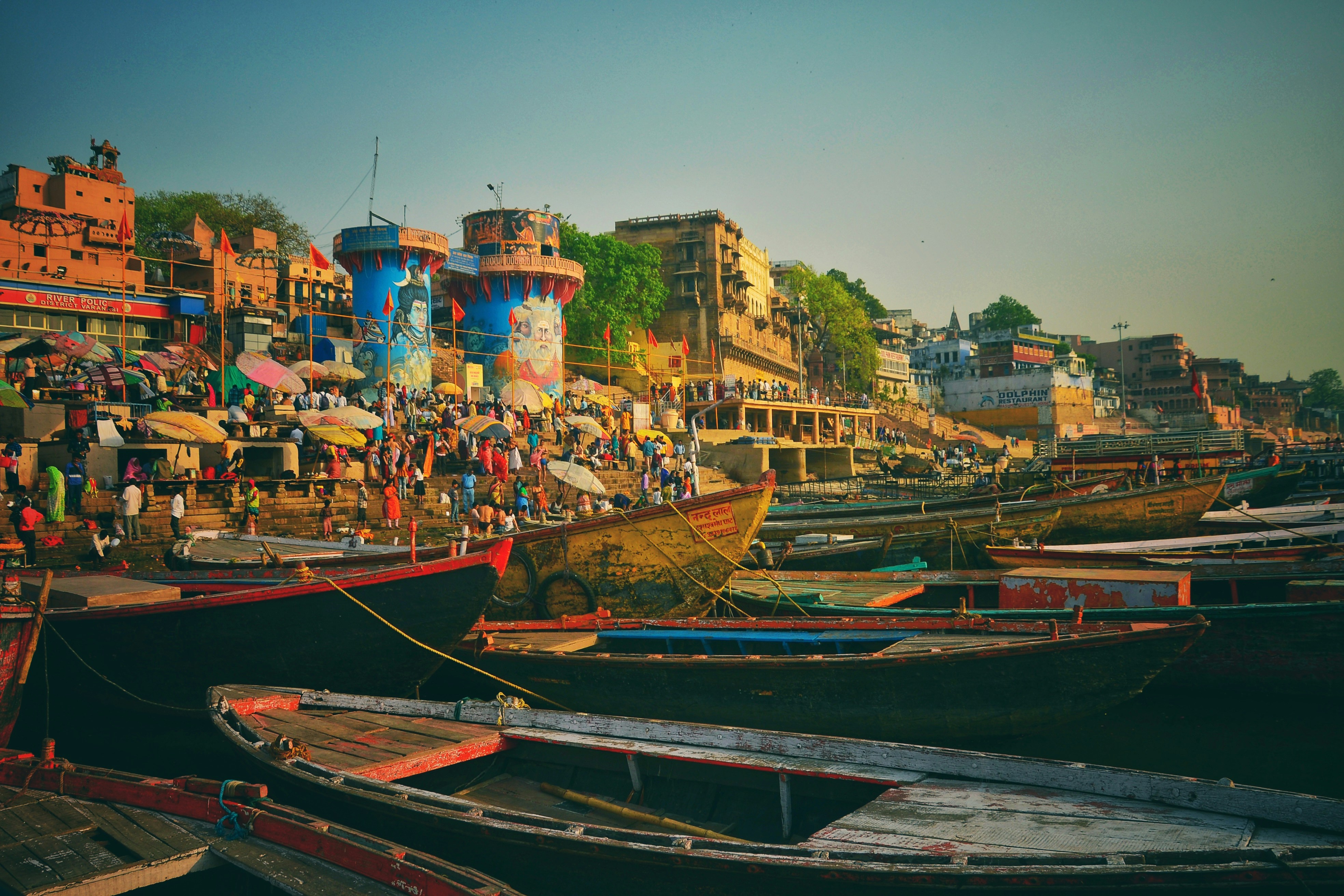
Most cities grow by replacing the old.
Varanasi grows by layering new generations upon ancient foundations.
On the banks of the sacred Ganges, life unfolds in a cycle that has remained recognizable for centuries. Dawn prayers, evening ceremonies, pilgrims seeking blessings, students learning scriptures, merchants opening their shops, families gathering along the river.
For many visitors, Varanasi is a city.
For many Indians, it is an idea.
A place where life, faith, death, and renewal exist side by side.
To understand Varanasi is not simply to see its ghats.
It is to witness how tradition continues to shape everyday life.
Rajasthan Beyond Jaipur — Life in the Desert
Rajasthan's story does not end at its forts and palaces.
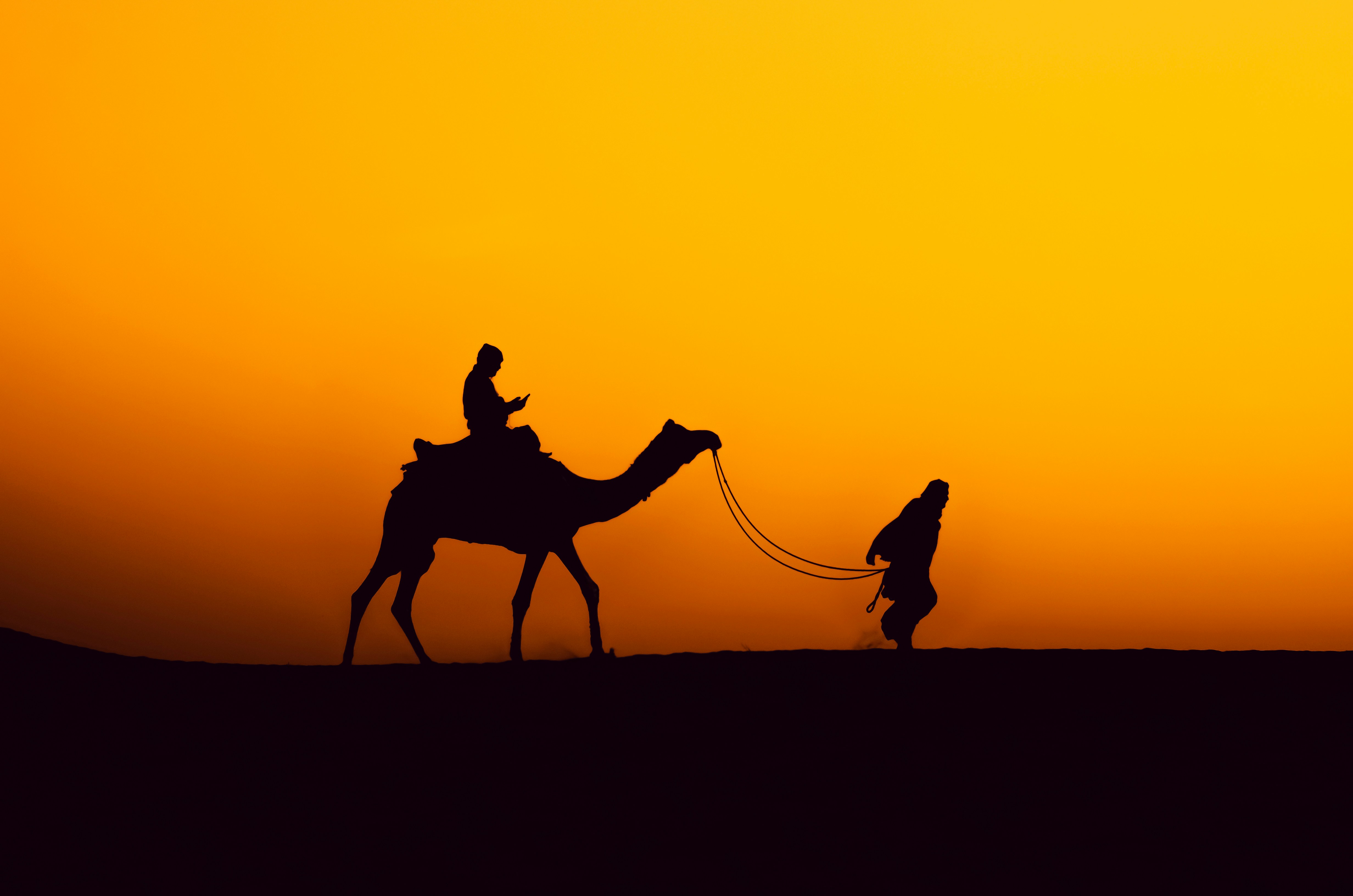
Beyond the royal capitals lies the Thar Desert, where generations of communities learned to thrive in one of India's harshest landscapes. Here, camel herders, folk musicians, storytellers, and artisans built traditions shaped by resilience, creativity, and a deep connection to the land.
The songs of Rajasthan carry tales of heroes, love, faith, and survival. Its vibrant textiles, crafts, and festivals bring color to a landscape where life has never been easy.
At Geet Travel, we look beyond the monuments to meet the people who keep these traditions alive. Because Rajasthan is not only a story of kings and kingdoms.
It is also the story of the communities that gave the desert its voice.
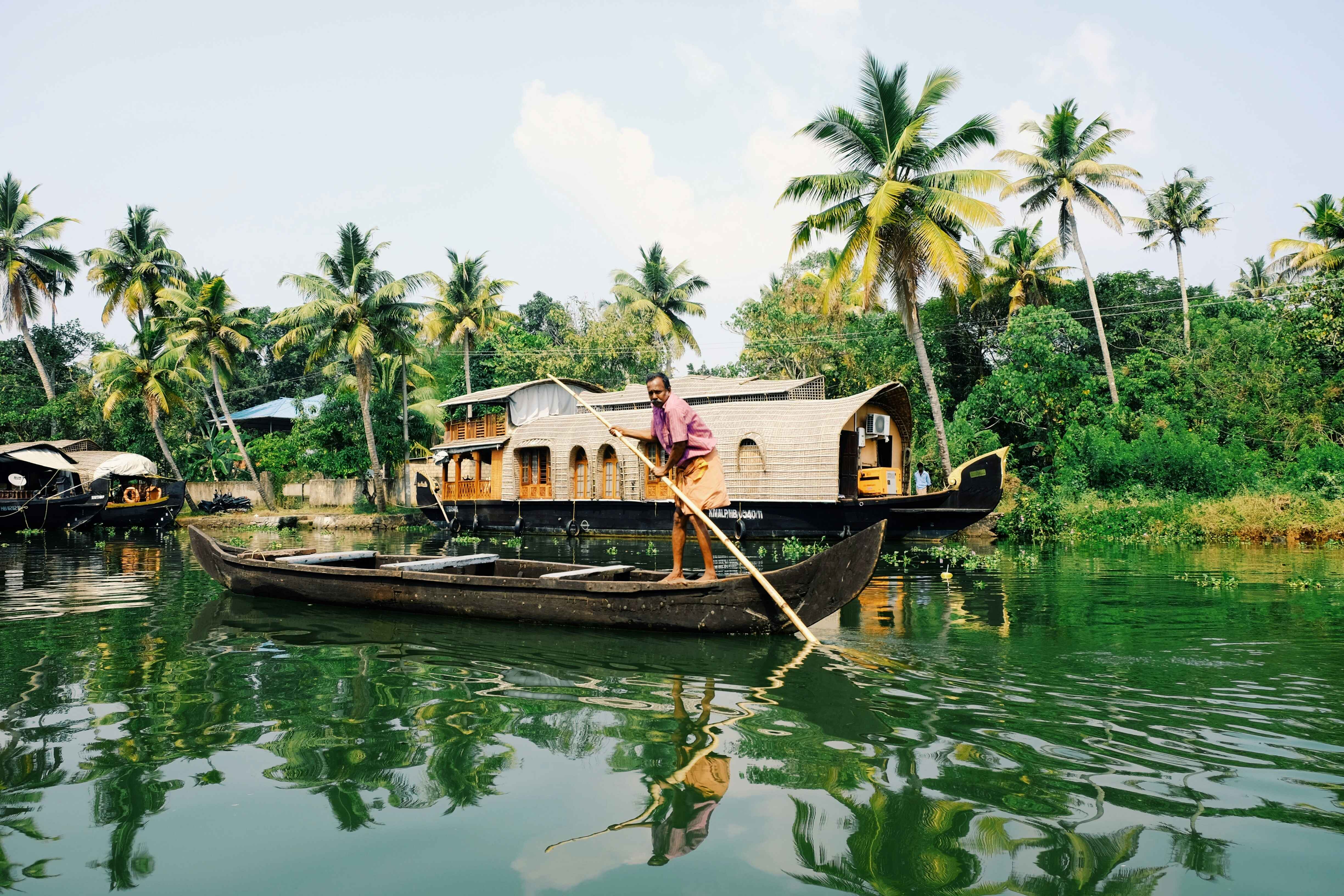
Kerala — The Rhythm of Water
In Kerala, life moves differently.
Rivers become roads. Monsoon rains shape calendars. Spice gardens connect local communities to centuries of global trade.
Long before globalization became a modern concept, traders from Arabia, Europe, and Asia arrived on these shores, bringing ideas, faiths, and cultures that blended into something uniquely Keralan.
Today, that spirit of coexistence remains visible in everyday life.
Here, the story is not about one culture.
It is about many cultures learning to live together.