
The Geet of Tibet
Where the Sky Feels Closer
The Philosophy
Many travelers come to Tibet for its monasteries, snow-capped mountains, and the mystery of the Himalayan plateau.
And they deserve every bit of their reputation.
But Tibet is more than dramatic landscapes and sacred landmarks.
It is a civilization shaped by altitude, faith, and endurance. A place where vast grasslands stretch beyond the horizon, where monasteries became centers of learning and community, and where generations adapted to life on one of the highest inhabited regions on Earth.
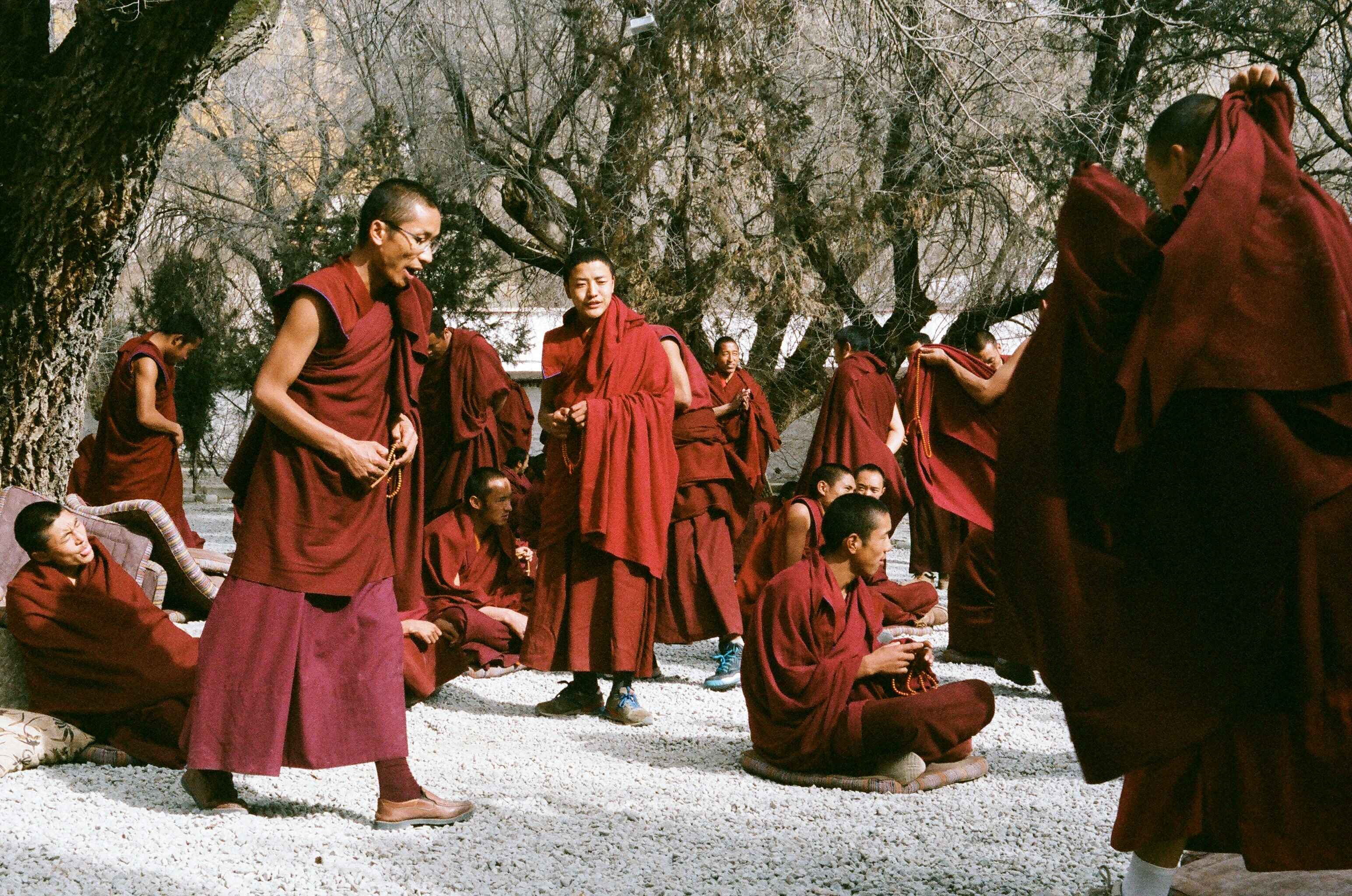
For centuries, Tibet developed a distinct culture rooted in Buddhism, scholarship, pilgrimage, and a profound relationship with the natural world. Here, spirituality was never separate from daily life. It shaped architecture, art, festivals, traditions, and the rhythms of entire communities.
At Geet Travel, we believe Tibet is best understood not only through its monuments, but through the people, beliefs, and landscapes that continue to define it.
The Geet of Tibet is a journey into a civilization that learned to flourish above the clouds.
How We Travel
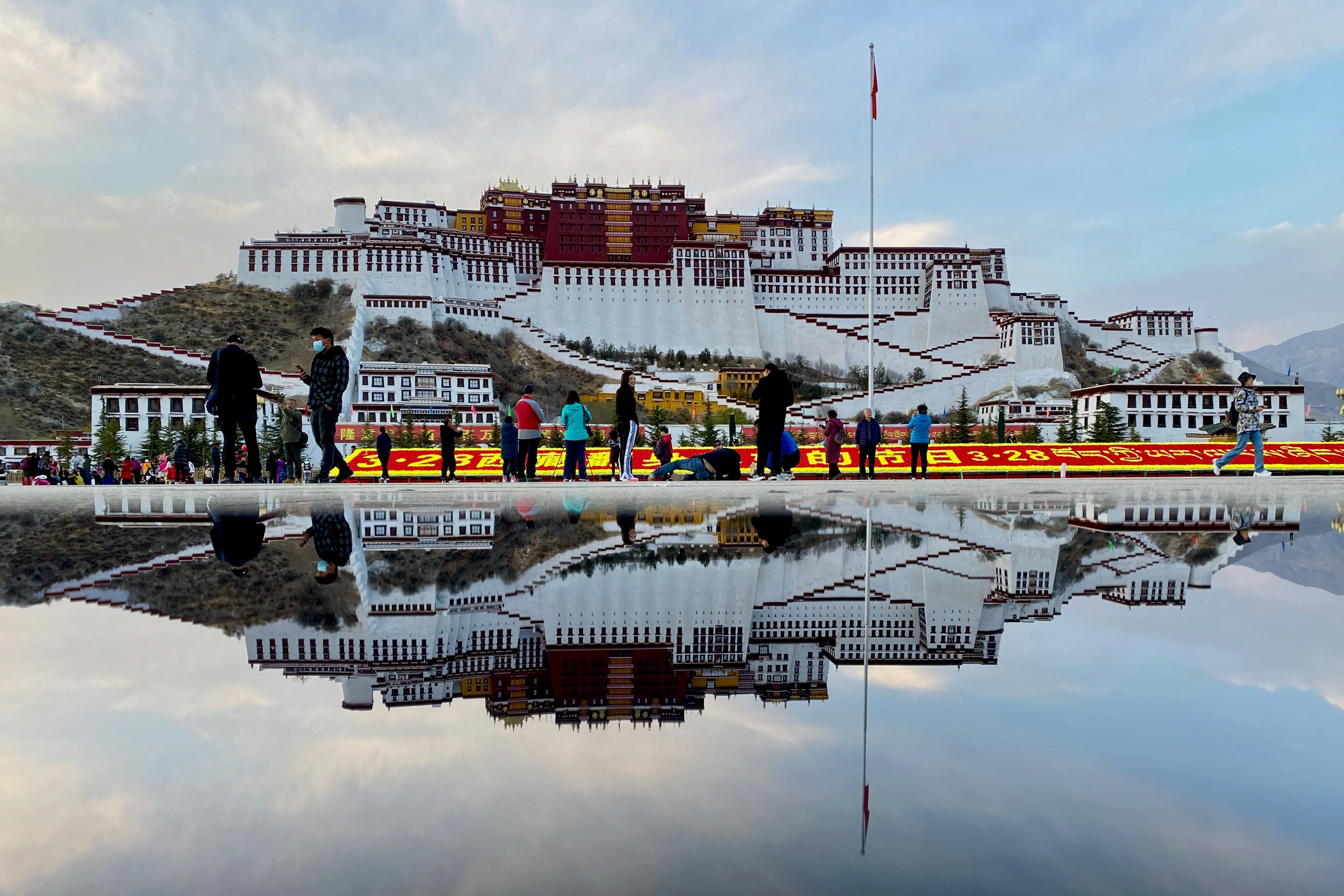
Lhasa — The Heart of Tibet
For centuries, pilgrims crossed mountains and high plateaus to reach Lhasa.
More than a city, it became the spiritual, cultural, and political heart of Tibetan civilization. Its monasteries and sacred sites drew monks, scholars, traders, and travelers from across Asia, making Lhasa one of the great centers of the Himalayan world.
But Lhasa was more than a place of pilgrimage. It was a crossroads of ideas, commerce, and culture, connecting Tibet with neighboring regions through centuries of exchange.
Even today, prayer wheels spin, pilgrims walk ancient paths, and traditions remain woven into daily life. To understand Lhasa is to understand the enduring spirit of Tibet itself.
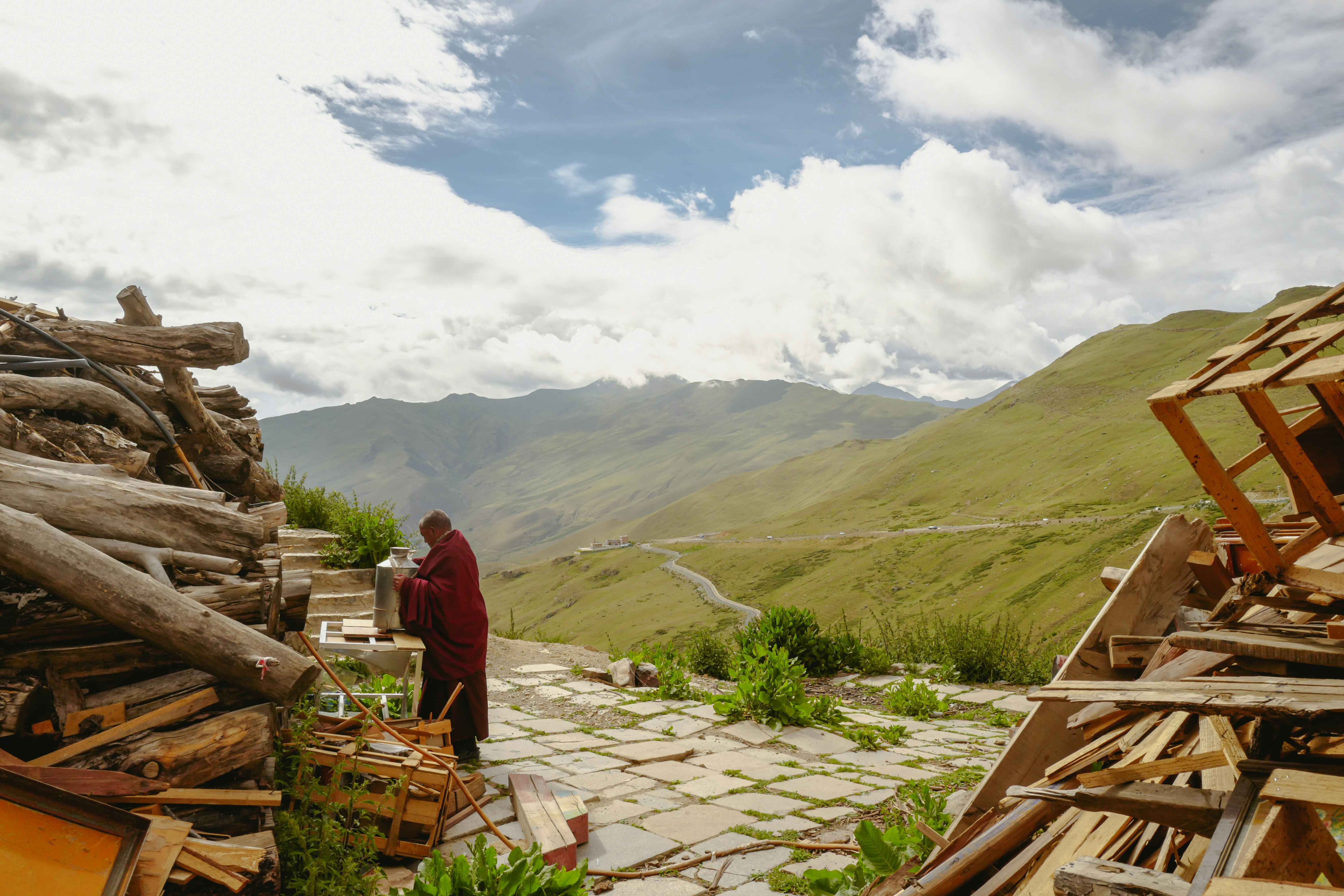
The Plateau — Life at the Roof of the World
The Tibetan Plateau is one of the most demanding environments on Earth.
Its extreme altitude, harsh winters, and vast open spaces have shaped life here for centuries. Across grasslands, valleys, and mountain regions, communities learned to adapt to conditions that would challenge most of the world.
Nomadic herders followed seasonal rhythms across the plateau, raising yaks, sheep, and goats that provided food, clothing, transport, and livelihoods. Farming communities cultivated hardy crops in high-altitude valleys, while mountain settlements developed strong traditions of cooperation and self-reliance.
Life on the plateau has always required resilience, but it also fostered a deep connection to the landscape. The mountains, rivers, and open plains are not simply scenery—they are part of the cultural identity of the people who call Tibet home.
Here, culture was shaped as much by the land as by history itself.
Tibet and Nepal — A Shared Himalayan Story
Although Tibet stands as a civilization in its own right, its story has long been intertwined with Nepal's.
For centuries, the Himalayas acted not only as a barrier but as a bridge. Trade caravans crossed high mountain passes carrying salt, wool, grain, metalwork, and ideas between Tibet and the Kathmandu Valley.
Pilgrims traveled in both directions. Buddhist teachings moved across the mountains. Newar artisans from Nepal helped shape some of Tibet's finest religious art and architecture, while Tibetan Buddhism left a lasting influence throughout the Himalayan region.
The relationship between Tibet and Nepal was never merely geographical.
It was a meeting of cultures connected by mountains, faith, and centuries of exchange.