Blog Details
27Sep
Why Choose Nepal for Your Next Horseback Adventure?
Nepal is a country where the landscape changes dramatically within relatively short distances. From subtropical valleys and terraced hills to deep river gorges, alpine meadows and some of the highest mountains on earth, the country offers an extraordinary variety of terrain to explore on horseback. But what makes a horseback adventure in Nepal distinctive is not only the scenery. It is the combination of mountain landscapes, living cultures, traditional horse use, and high Himalayan communities that riders encounter along the way.
For travellers searching for the best horseback riding destinations, Nepal offers something different from a conventional riding holiday. Here, a horse can take you beyond established tourist routes and into landscapes where mountain trails remain closely connected to local life. In regions such as Mustang, Manang and Dolpo, horseback travel provides a way to experience the Himalayas at the pace of the landscape itself, passing through villages, valleys, high trails and remote communities.
Horseback Riding Through the Himalayas
The Himalayas are often experienced through trekking routes, mountain roads and viewpoints. Travelling on horseback offers another way to experience them. Riding through the Himalayas allows the journey to unfold continuously, with changing terrain beneath you and mountain landscapes surrounding you rather than simply appearing as destinations along a route.
Nepal is particularly suited to this style of travel because its mountain regions contain an extensive network of trails connecting settlements and valleys. Some routes pass through cultivated hillsides and forests, while others lead into high, open terrain where the landscape becomes increasingly dry and rugged.
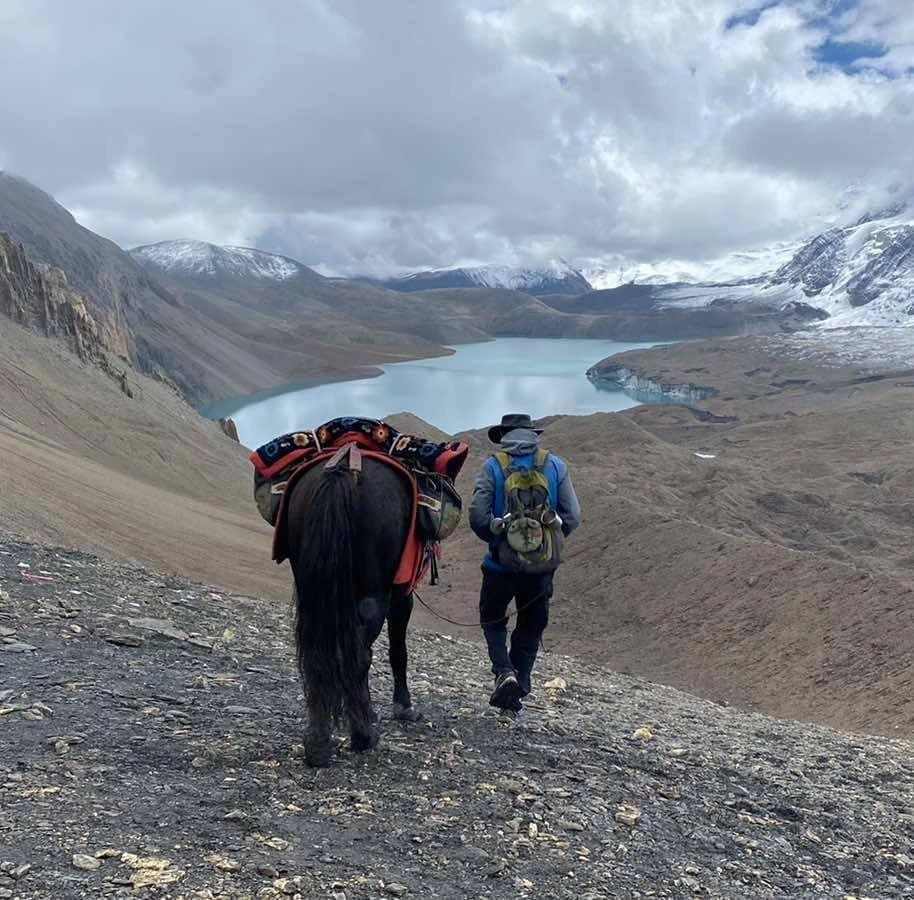
The experience also changes with altitude and geography. A ride through the lower valleys can involve rivers, forests and agricultural landscapes, while higher routes reveal rocky slopes, alpine terrain and expansive Himalayan views. In the Trans-Himalayan regions, the landscape can become remarkably dry and open, creating a very different atmosphere from the greener middle hills of Nepal.
This variety is one of the reasons horseback riding in Nepal can feel less like a conventional riding holiday and more like a journey through several distinct landscapes within one country.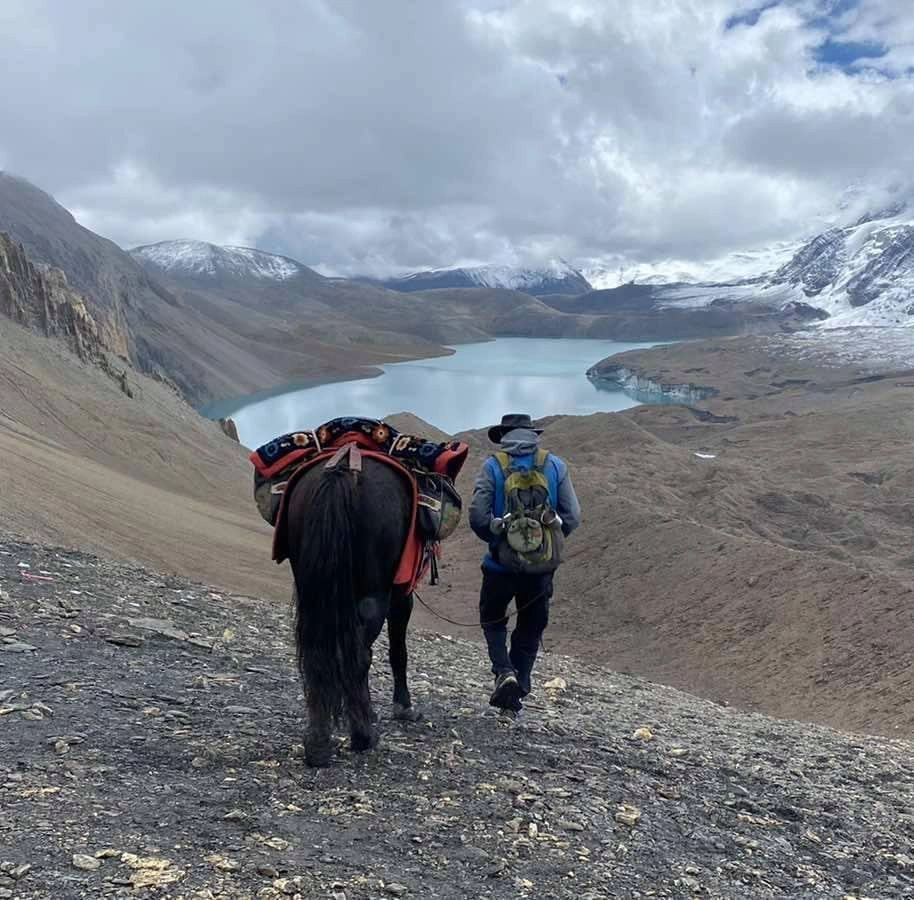
Nepal’s Traditional Horse Culture
Horses have long been part of life in Nepal's mountain regions. Before modern roads connected many Himalayan settlements, horses and other pack animals played an important role in moving people and goods across difficult terrain.
In high Himalayan communities, horses have traditionally been associated with transportation, trade and everyday movement between settlements. Their ability to travel along narrow mountain trails made them particularly useful in regions where roads were limited or absent.
That connection between horses and mountain life remains visible in parts of Nepal today. In Mustang, for example, horses continue to be part of the character of the region, while in other Himalayan areas they remain connected with local transportation and traditional ways of travelling.
This traditional horse culture in Nepal adds another dimension to horseback travel. Riders are not simply using horses to cross a landscape; they are travelling through places where horses have long been part of how people moved through the mountains.
Riding Through High Himalayan Communities
One of the most distinctive aspects of a horseback adventure in Nepal is the opportunity to travel through communities that have developed around the geography of the Himalayas.
Mountain settlements are shaped by their environment. Architecture, agriculture, trade, religious traditions and daily life vary from one Himalayan region to another. Travelling by horse gives riders more time to observe these details as they move between villages and valleys.
In places such as Mustang, Manang and Dolpo, the journey can pass through communities where Tibetan and Himalayan cultural influences remain deeply connected to everyday life. Monasteries, prayer walls, traditional houses, mountain pastures and ancient trails form part of the environment through which the horses travel.
For many travellers, this cultural dimension is just as important as the riding itself. The mountains provide the setting, but the communities give the journey its character.
Mustang: One of Nepal’s Most Suitable Horseback Adventure Destinations
Among Nepal's many mountain regions, Mustang is particularly well suited to horseback adventure.
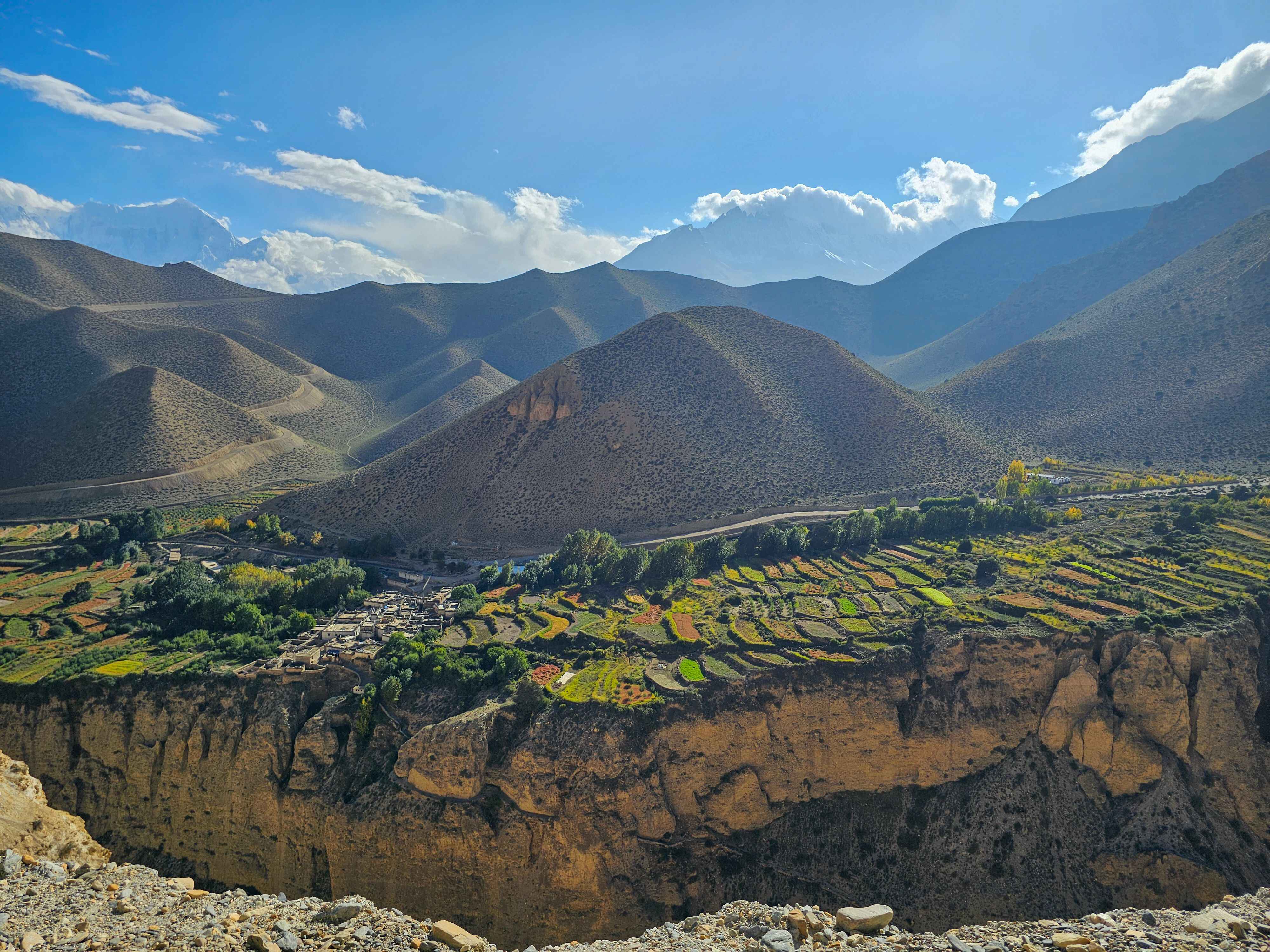
Its geography provides a remarkable combination of open riding terrain, high mountain trails, traditional settlements and dramatic Trans-Himalayan landscapes. The region stretches from the greener landscapes of Lower Mustang into the dry valleys and high plateaus of Upper Mustang, creating a remarkable variety of terrain for a multi-day riding journey.
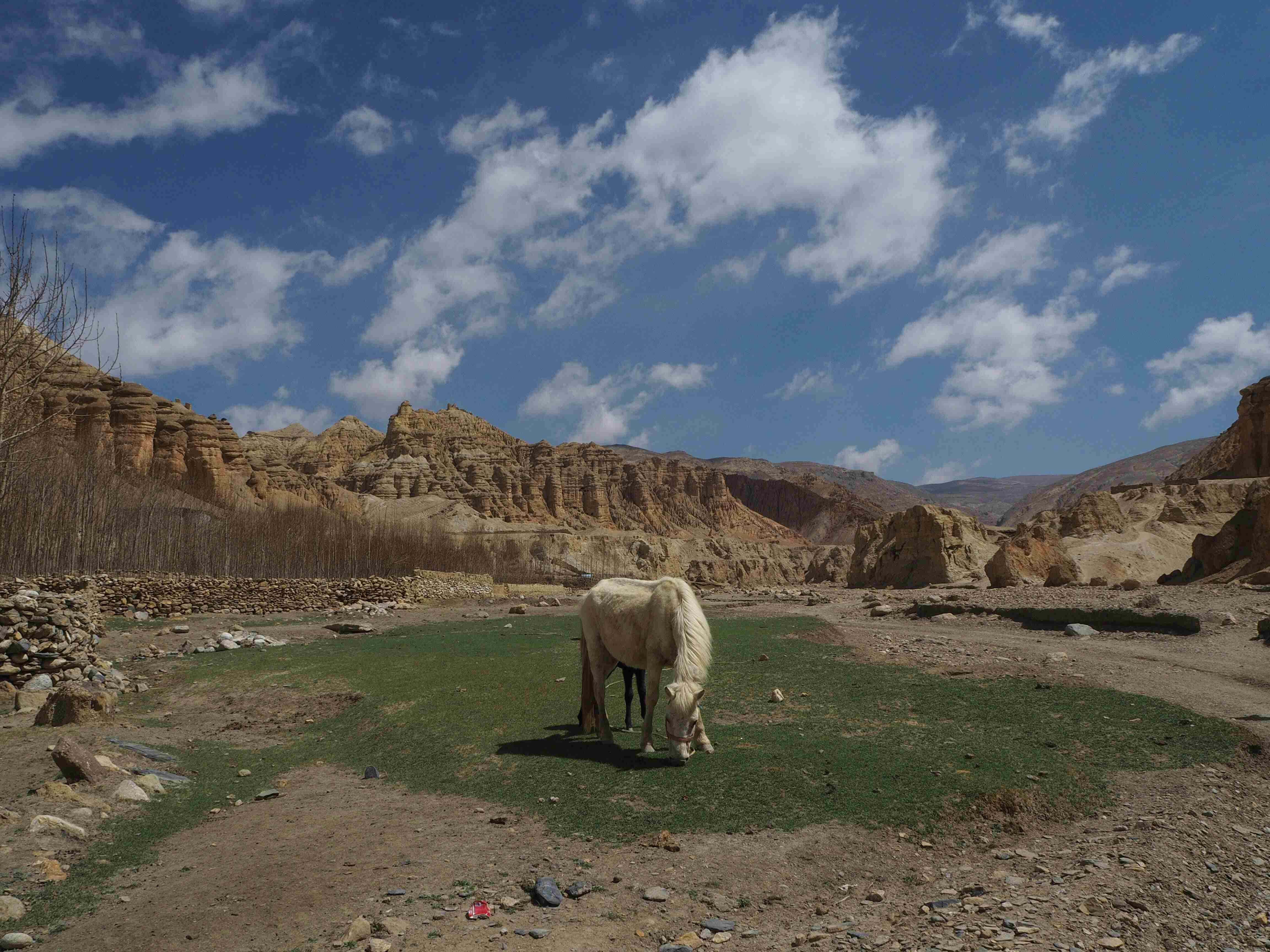
The Kali Gandaki Valley provides access to places such as Jomsom, Marpha, Tukuche, Kagbeni and Muktinath. Further north, the landscape changes dramatically as the route enters Upper Mustang, where dry valleys, eroded cliffs, rocky trails and broad high-altitude landscapes create an environment that feels distinctly different from much of the rest of Nepal.
For horseback travellers, this variety matters. The trails are not simply routes between sightseeing stops. The changing terrain becomes part of the experience, with horses carrying riders through river valleys, villages, mountain passes and high desert-like landscapes.
Mustang also has a strong cultural connection with horses. Historically, animals were important for transportation and trade across the region, particularly before modern road connections changed how people and goods moved through the mountains. Today, horseback travel offers a way to experience some of these historic landscapes from the saddle.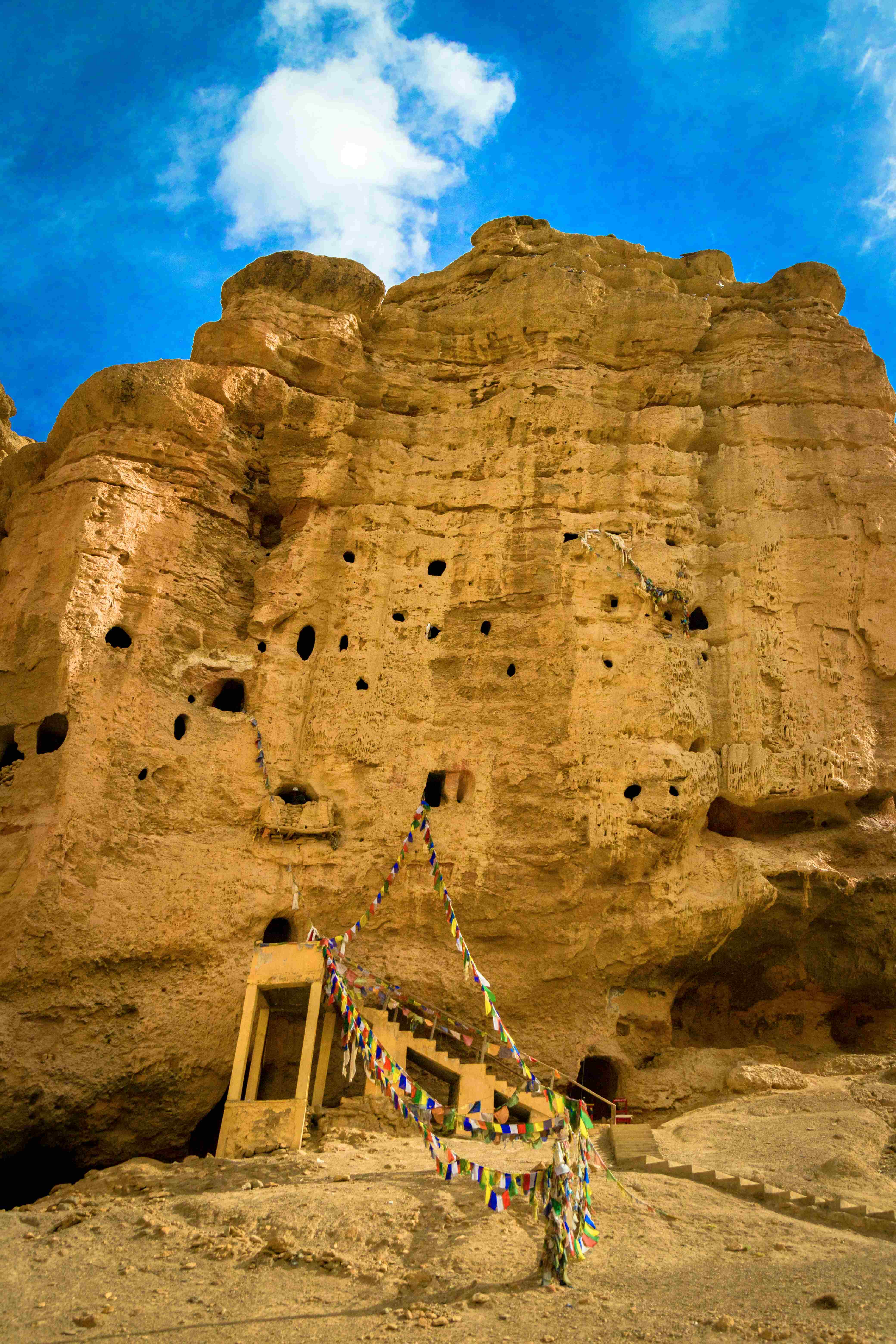
Why Mustang Works So Well for a Horseback Adventure
Mustang brings together several elements that make a multi-day horse journey particularly compelling.
The terrain is varied without losing its strong sense of place. Riders can move from the Kali Gandaki Valley into increasingly dry and open landscapes, eventually reaching the historic settlements of Upper Mustang. The region's mountain trails also provide a natural rhythm for a journey, with riding days shaped by valleys, passes, villages and changing elevations.
The landscape itself is another major attraction. Mustang lies in the rain shadow of the Annapurna and Dhaulagiri ranges, creating the dry conditions responsible for its distinctive Trans-Himalayan environment. Earth-coloured cliffs, barren hillsides, deep valleys and open plateaus create scenery that is very different from the forested and greener landscapes found elsewhere in Nepal.
Then there is the cultural landscape. Traditional villages, Buddhist monasteries, mani walls, prayer flags and historic settlements remain part of the journey, particularly in Upper Mustang. Riding between these places allows travellers to experience the region as a connected landscape rather than as a series of isolated attractions.
For travellers looking for adventure horseback riding, Mustang therefore offers an unusual combination: challenging mountain terrain, dramatic landscapes, cultural depth and a genuine sense of remoteness.
Manang: Horseback Riding Through the Annapurna Landscape
Manang offers another perspective on horseback riding through the Himalayas.
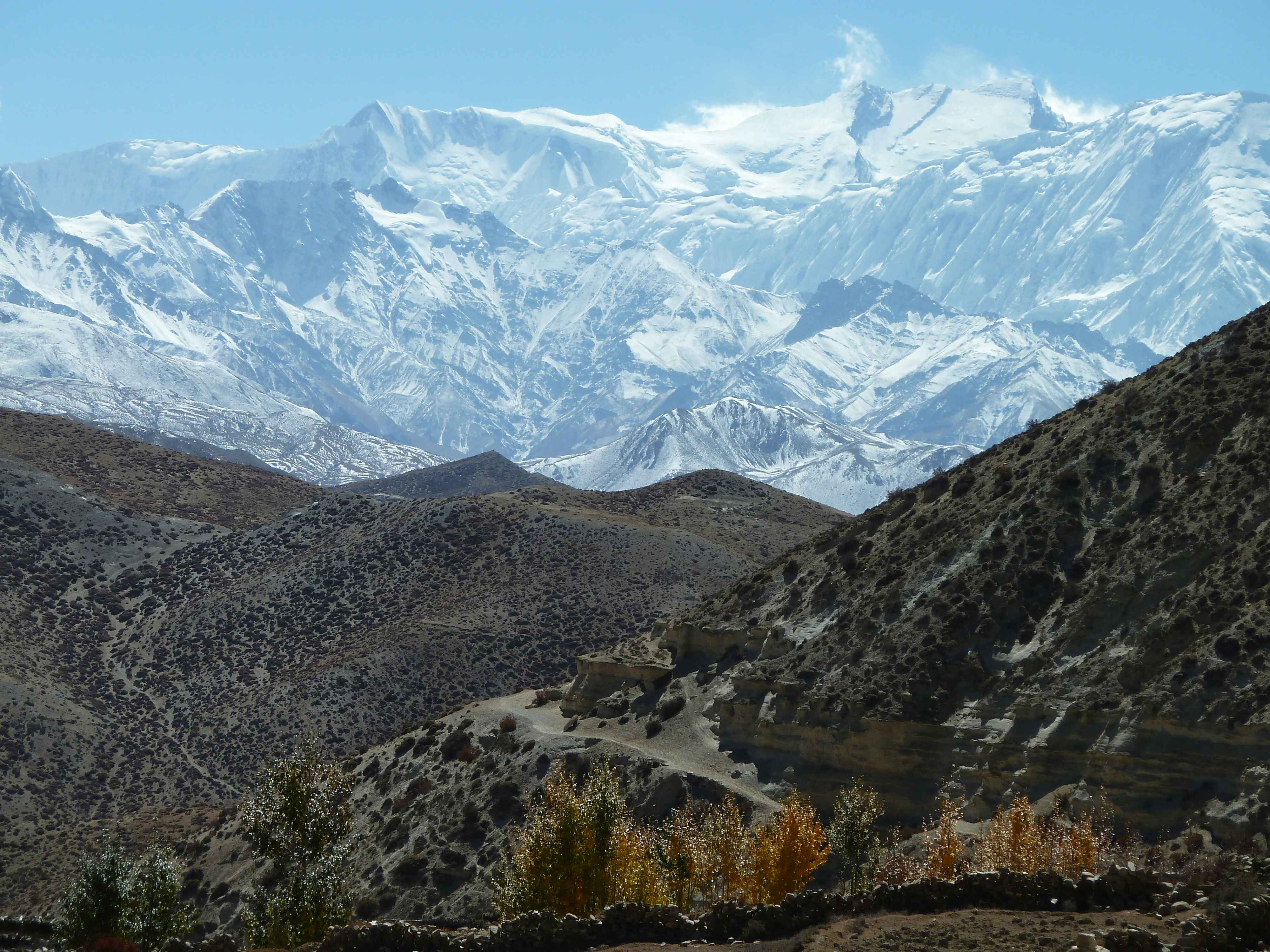
Located within the Annapurna region, Manang is known for its high mountain valleys, traditional settlements and dramatic views of the surrounding peaks. The landscape changes considerably as the route climbs, moving from greener lower valleys towards drier and more alpine terrain.
Horseback travel through Manang can connect riders with mountain communities and landscapes while offering a different way to experience the Annapurna region beyond conventional trekking routes.
The region also demonstrates the diversity of Nepal's mountain environments. While Mustang is particularly known for its dry Trans-Himalayan character, Manang combines high mountain scenery with villages, cultivated slopes, river valleys and alpine terrain.
Dolpo: A More Remote Himalayan Horseback Experience
Further west, Dolpo offers an even more remote Himalayan setting.
Known for its rugged terrain, high valleys and isolated communities, Dolpo represents another side of Nepal's mountain geography. The region's remoteness has helped preserve distinctive cultural traditions and ways of life, while its landscapes range from deep valleys to high mountain terrain.
For experienced travellers interested in a more remote horseback adventure in Nepal, Dolpo provides a setting where the journey itself becomes a major part of the experience.
Compared with Mustang and Manang, Dolpo can feel more isolated and expedition-like. Its remoteness, challenging terrain and limited infrastructure make it particularly suited to travellers looking for a deeper mountain adventure rather than a conventional riding holiday.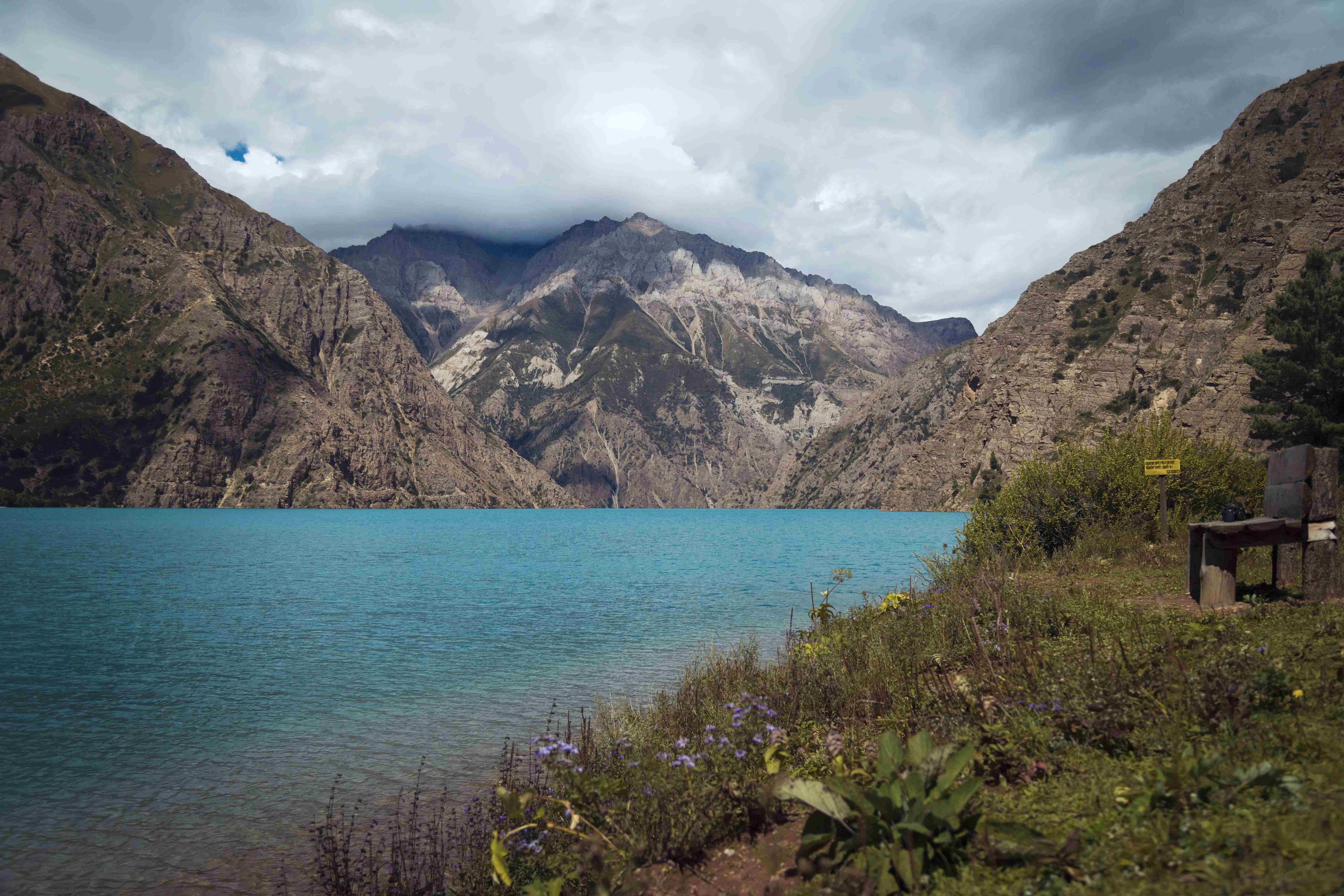
What Makes Horseback Riding in Nepal Different?
There are many destinations around the world where travellers can ride horses through mountains, deserts, grasslands or forests. Searches for the best horseback riding in the world often lead to very different landscapes and riding traditions.
Nepal offers a combination that is difficult to replicate elsewhere.
Here, horseback riding can bring together some of the world's most dramatic mountain scenery with living Himalayan cultures and communities. A single journey can involve high mountain passes, traditional villages, ancient trails, monasteries, river valleys and changing landscapes, all while travelling with horses that are adapted to the demands of mountain terrain.
The atmosphere is also an important part of the experience. The scale of the Himalayas, the relative quiet of remote valleys and the presence of traditional mountain communities create an environment that feels fundamentally different from a standard riding holiday.
Rather than simply riding through a scenic location, travellers in Nepal can experience how horses, people and mountain landscapes have been connected for generations.
Choosing Nepal for Your Next Horseback Adventure
Nepal offers several possibilities for travellers interested in experiencing the Himalayas on horseback.
For those seeking dramatic Trans-Himalayan landscapes and a well-established multi-day adventure, Mustang offers an especially compelling combination of terrain, culture and accessibility. Manang provides a different experience within the Annapurna landscape, while Dolpo offers a more remote and expedition-style journey.
The right region ultimately depends on the kind of adventure you are looking for. Some travellers may prefer a journey combining villages, mountain scenery and accessible trails, while others may want a longer expedition through remote high-altitude terrain.
What connects these destinations is the opportunity to experience Nepal from the saddle.
The mountains, landscapes and cultures of Nepal are remarkable on their own. On horseback, however, the journey becomes part of the experience in a different way. You move through the landscape rather than simply travelling towards it, with the rhythm of the horse, the changing trail and the communities along the way shaping each day.
For travellers looking beyond conventional riding holidays, Nepal offers a distinctive way to experience the Himalayas, and Mustang stands out as one of the country's most suitable regions for a true multi-day horseback adventure.
Your Himalayan Horseback Adventure Starts Here
Frequently Asked Questions
1. Why is Nepal a good destination for horseback riding?
Nepal offers an unusual combination of Himalayan landscapes, traditional mountain communities, and diverse terrain that can be explored on horseback. Riders can travel through river valleys, forests, mountain villages, alpine terrain, and the dry Trans-Himalayan landscapes of Mustang. Regions such as Mustang, Manang, and Dolpo also offer multi-day routes where the journey itself becomes an important part of the experience.