Blog Details
04Oct
Beyond the Temples: Exploring Kathmandu’s Traditional Arts & Living Heritage
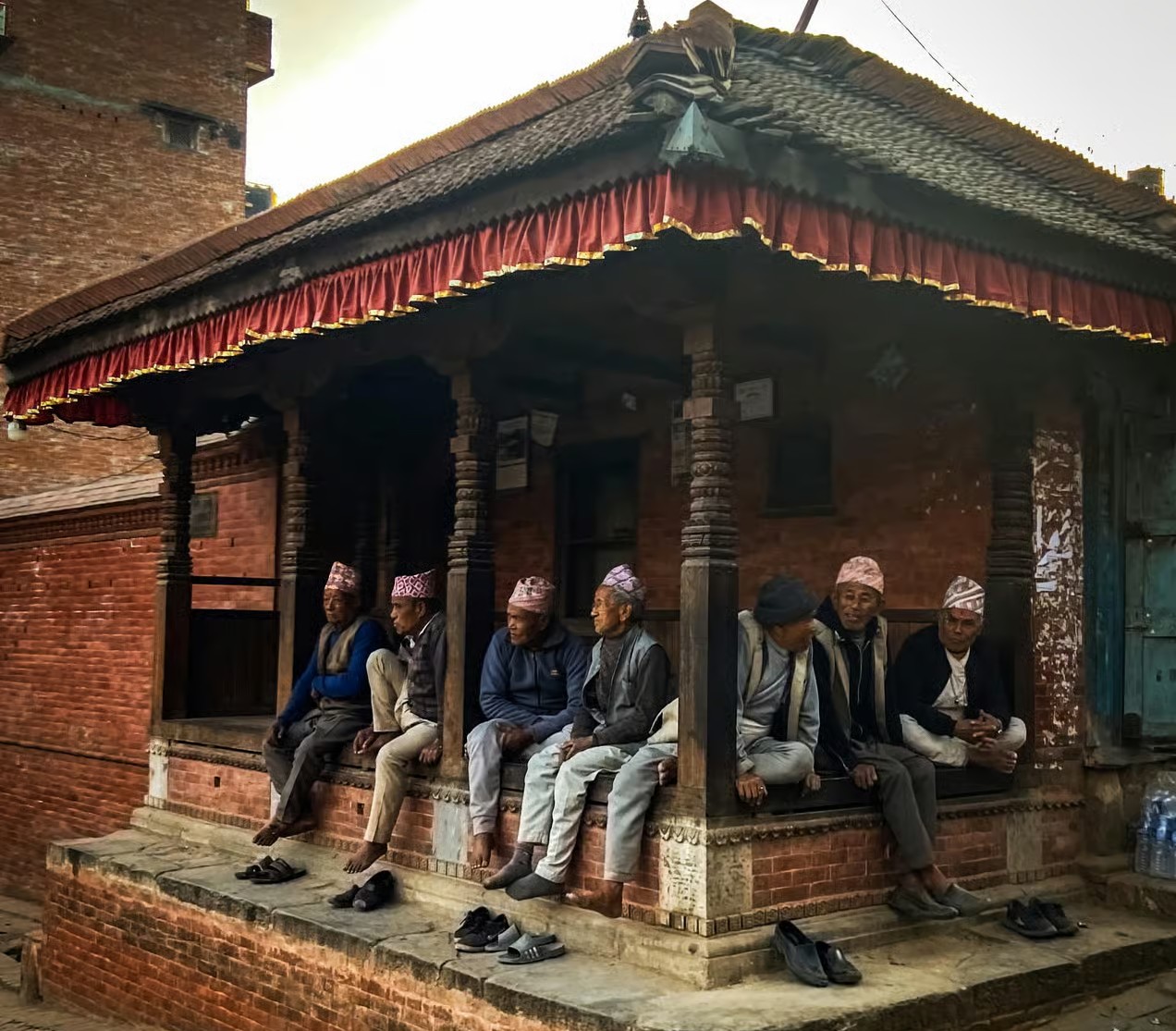
Kathmandu is often introduced through its temples, stupas and historic squares. Yet the cultural heritage of the Kathmandu Valley extends far beyond its monuments.
Walk through the older neighbourhoods of Kathmandu, visit the workshops of Patan or explore the streets of Bhaktapur, and you will find another side of the Valley taking shape through the hands of artisans. Metal is cast into religious sculptures, wood is carved into intricate architectural details, clay is shaped into pottery, and traditional Thangka paintings are created with remarkable precision.
Some of these crafts are closely connected with religious traditions, while others have been part of everyday life for generations. Some are made for temples and monasteries, while others are used in homes, festivals, kitchens and community rituals.
For travellers interested in traditional arts and crafts in Kathmandu, these living traditions offer a different way to understand the Valley. Rather than simply looking at historic objects inside museums or temples, you can see how pottery is shaped, Thangka is painted, and other traditional crafts are still made, used and passed from one generation to another.
Kathmandu's Traditional Arts Are Still Part of Everyday Life
The artistic traditions of the Kathmandu Valley are not confined to the past.
In older parts of Kathmandu, you may come across workshops tucked between shops and residential buildings. In Patan, artisans continue working with metal using techniques that have been practised in the Valley for centuries. In Bhaktapur, pottery and woodcarving remain visible parts of the city's cultural landscape.
This is what makes Kathmandu traditional arts particularly interesting for visitors. The craft is not always separated from ordinary life. A workshop can sit on a busy street, a traditional object may be made for a nearby temple, and an artisan may continue a family craft alongside the changing life of the modern city.
The best way to appreciate this heritage is often to slow down and look at the process rather than only the finished object.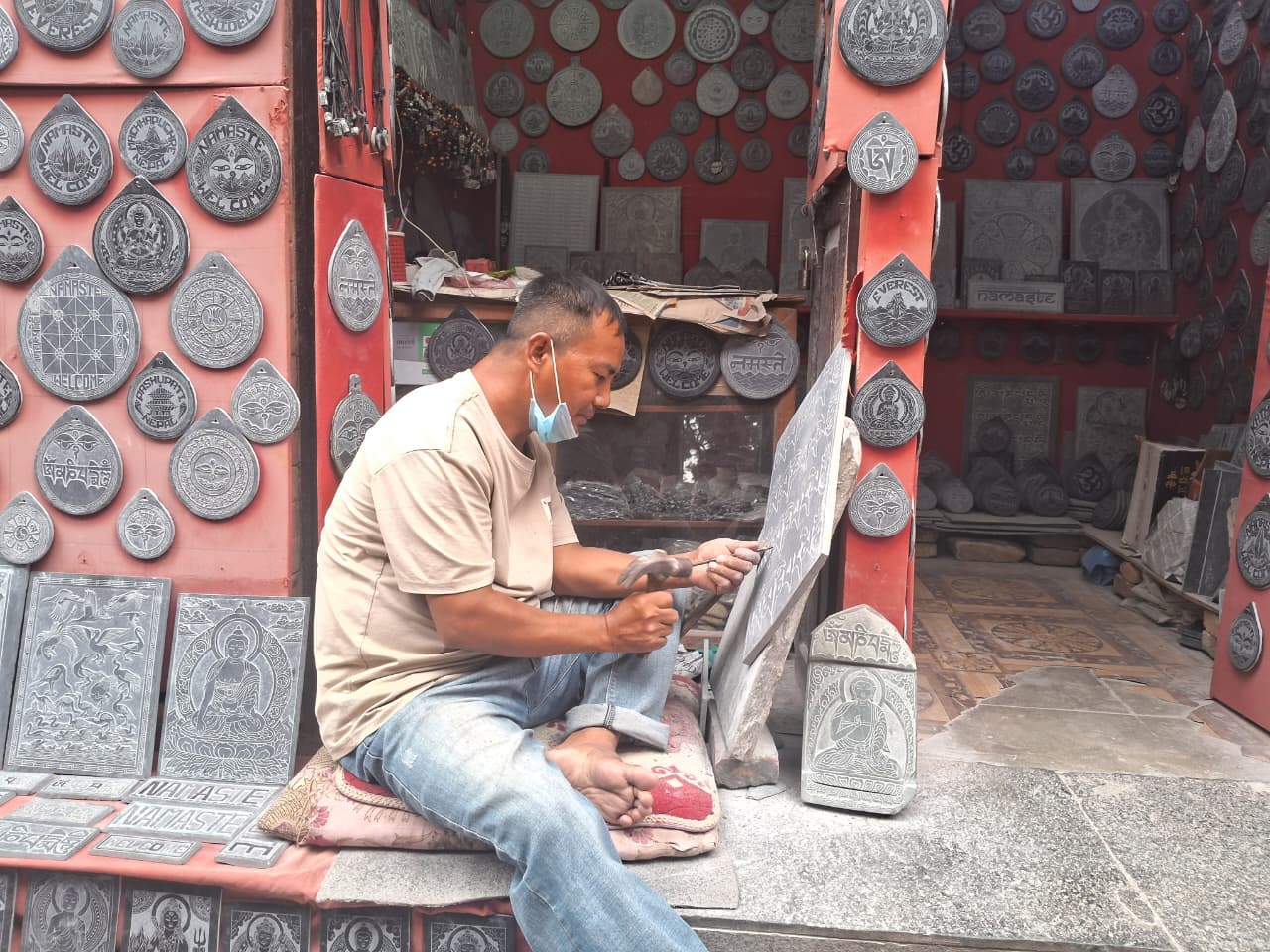
Patan: A City of Artisans and Metalwork
Just south of central Kathmandu, Patan is one of the best places to explore the Valley's traditional craftsmanship.
The historic city, also known as Lalitpur, has long been associated with skilled artisans and metalwork. Walking through the older parts of Patan, you can find workshops producing statues, ritual objects and decorative pieces using traditional techniques.
Metalworking here is closely connected with the religious art of the Valley. Buddhist and Hindu imagery appears in many forms, from small household objects to elaborate sculptures created for temples and monasteries.
For visitors, seeing an artisan at work can reveal details that are easy to miss when looking at a finished sculpture. The shaping of the metal, the fine decorative work and the patience required to produce intricate figures all form part of the tradition.
Patan is also an important place to encounter traditional woodwork and painting. The city's historic architecture contains carved windows, doors, struts and other details that demonstrate how closely architecture and craftsmanship have been connected in the Valley.
Traditional Woodcarving in Kathmandu Valley
Wood carving is one of the most recognisable forms of traditional craftsmanship in Nepal.
Look closely at the older buildings of Kathmandu, Patan and Bhaktapur and you will see carved windows, doors, roof struts and decorative elements covering parts of the architecture. Some feature geometric patterns, while others depict deities, animals, mythical figures and other religious imagery.
Traditional wood carving in Nepal developed not only as decoration but as an important part of architecture and religious expression.
Bhaktapur is particularly well known for its carved wooden architecture, but the craft can be encountered across the Kathmandu Valley. Visiting a workshop provides a different perspective from simply photographing the finished carvings on historic buildings.
You can see how an artisan works with a block of wood, gradually bringing out patterns and figures with hand tools. The process also helps explain why so much patience and skill went into the traditional buildings that remain throughout the Valley.
For travellers interested in wood carving in Nepal, the Kathmandu Valley provides an opportunity to see the craft within the cultural environment where it developed.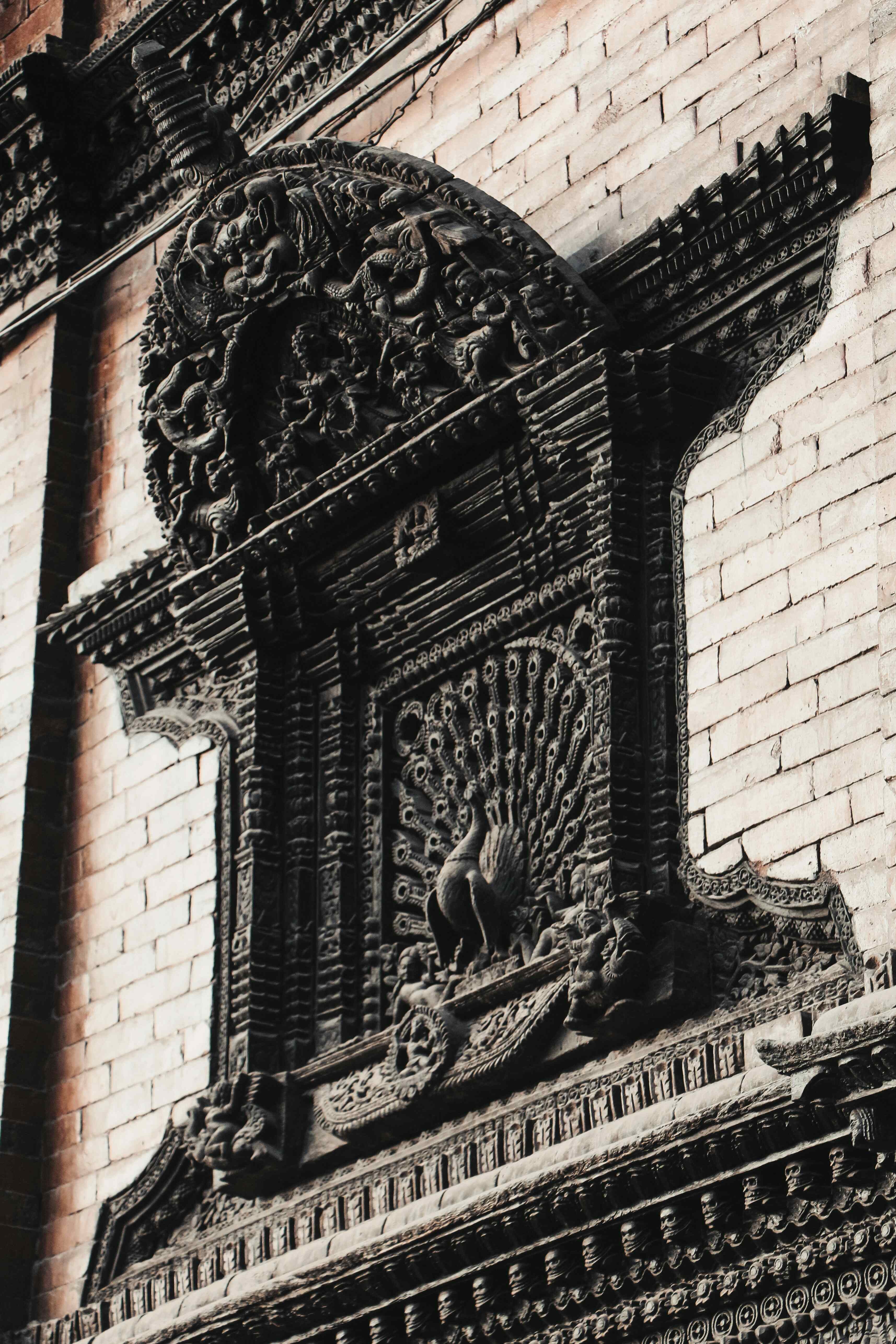
Thangka and Paubha: Painting Traditions of the Valley
The artistic heritage of the Valley is not limited to sculpture and architecture.
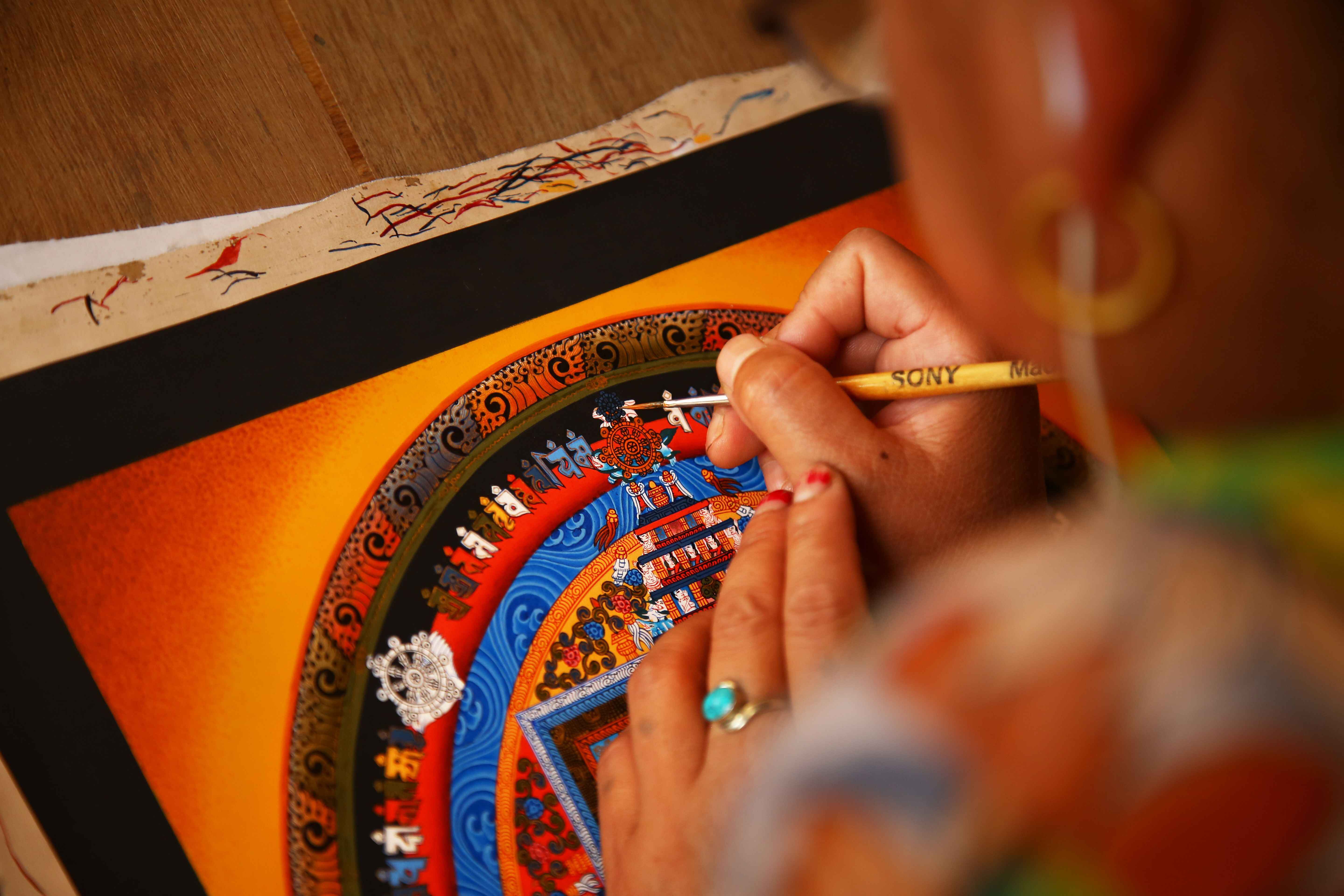
Thangka painting is closely associated with Himalayan Buddhist traditions and is widely encountered around Kathmandu, particularly in areas with strong Tibetan Buddhist communities. These paintings often depict Buddhist deities, mandalas and religious narratives, with detailed compositions created according to established traditions.
The Valley also has its own important painting tradition in the form of Paubha.
Paubha is a traditional Newar painting tradition with deep connections to Buddhist and Hindu religious practice. The paintings are known for their detailed figures, symbolic imagery and carefully structured compositions.
A visit to an artist's studio can provide a much better understanding of these traditions than simply seeing a finished painting in a shop. You can observe how an artist prepares the surface, builds the composition and works through layers of fine detail.
For travellers looking for cultural experiences in Kathmandu, a painting studio can therefore be more than a place to buy art. It is an opportunity to understand the discipline, symbolism and skill behind traditional Himalayan and Valley painting.
Bhaktapur: Pottery, Wood and Everyday Craft
East of Kathmandu, Bhaktapur offers another perspective on the Valley's traditional crafts.
The city's historic streets are closely associated with pottery and woodcarving. Pottery Square is particularly well known for its traditional pottery-making, where clay is shaped, dried and prepared using techniques that have long been part of local life.
Watching a potter work can be surprisingly different from simply seeing finished ceramics in a shop. The process is physical and immediate: a lump of clay gradually becomes a vessel as the potter controls its shape and thickness.
For visitors, a pottery-making experience can make this connection even clearer. Trying to shape clay yourself quickly demonstrates how much control and experience is required to create something simple and balanced.
Bhaktapur's woodcarving traditions are equally important. The city's historic buildings contain some of the Valley's most detailed examples of carved wooden architecture, making the surrounding streets themselves a place to appreciate the craft.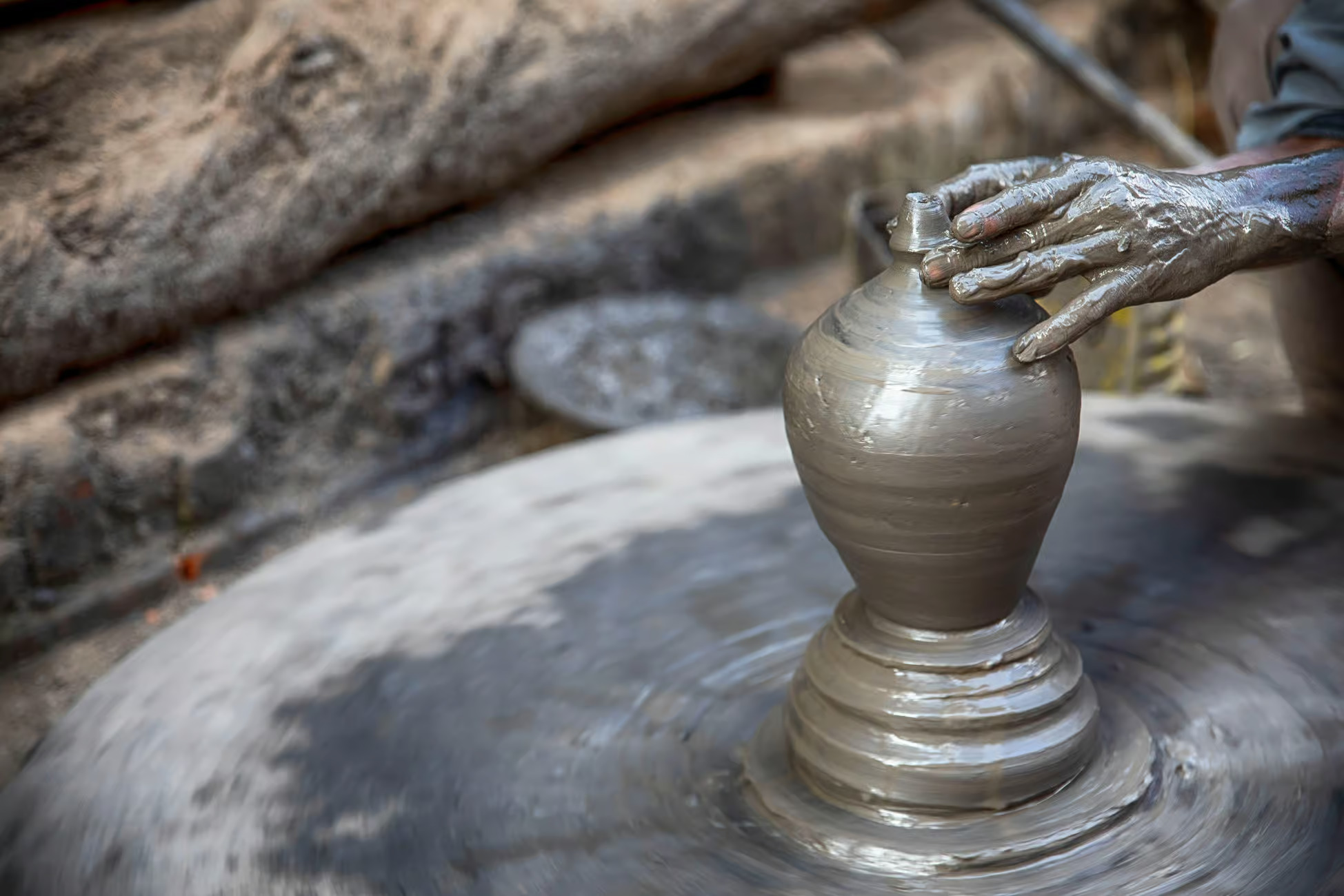
Khukuri Making: A Different Side of Nepali Craftsmanship
Not every traditional craft in Kathmandu is connected with religious art.
The khukuri, Nepal's distinctive curved knife, represents another tradition of craftsmanship. Historically associated with Gurkha soldiers and widely used in Nepal, the khukuri has become one of the country's best-known traditional objects.
A khukuri-making experience offers a different perspective on Nepali craftsmanship because it focuses on metal, heat, shaping and practical skill rather than religious imagery.
Seeing the process can introduce visitors to the work involved in shaping and finishing the blade, as well as the traditional knowledge associated with its construction.
It is also a useful reminder that Nepal's craft heritage includes both ceremonial and everyday objects. Some traditions were developed for temples and monasteries, while others emerged from practical needs within communities.
Phool Batti, Incense and Traditional Everyday Crafts
Some of Nepal's traditional crafts are much smaller and less visually dramatic than a metal sculpture or a carved temple window, but they can reveal just as much about everyday culture.
Traditional incense making is one example.
Incense has an important place in religious rituals and household practices across Nepal. Learning about incense making in Kathmandu can introduce visitors to the materials, preparation and role of fragrance in everyday spiritual life.
Traditional Phool Batti, or cotton wicks, are another example of a small handmade object connected with ritual practice. Such objects may not attract the same attention as elaborate paintings or sculptures, yet they form part of the everyday material culture surrounding religious traditions.
Experiencing these smaller crafts can make a cultural visit feel more personal. Instead of looking only at major works of art, you begin to notice the many handmade objects that support rituals and daily life.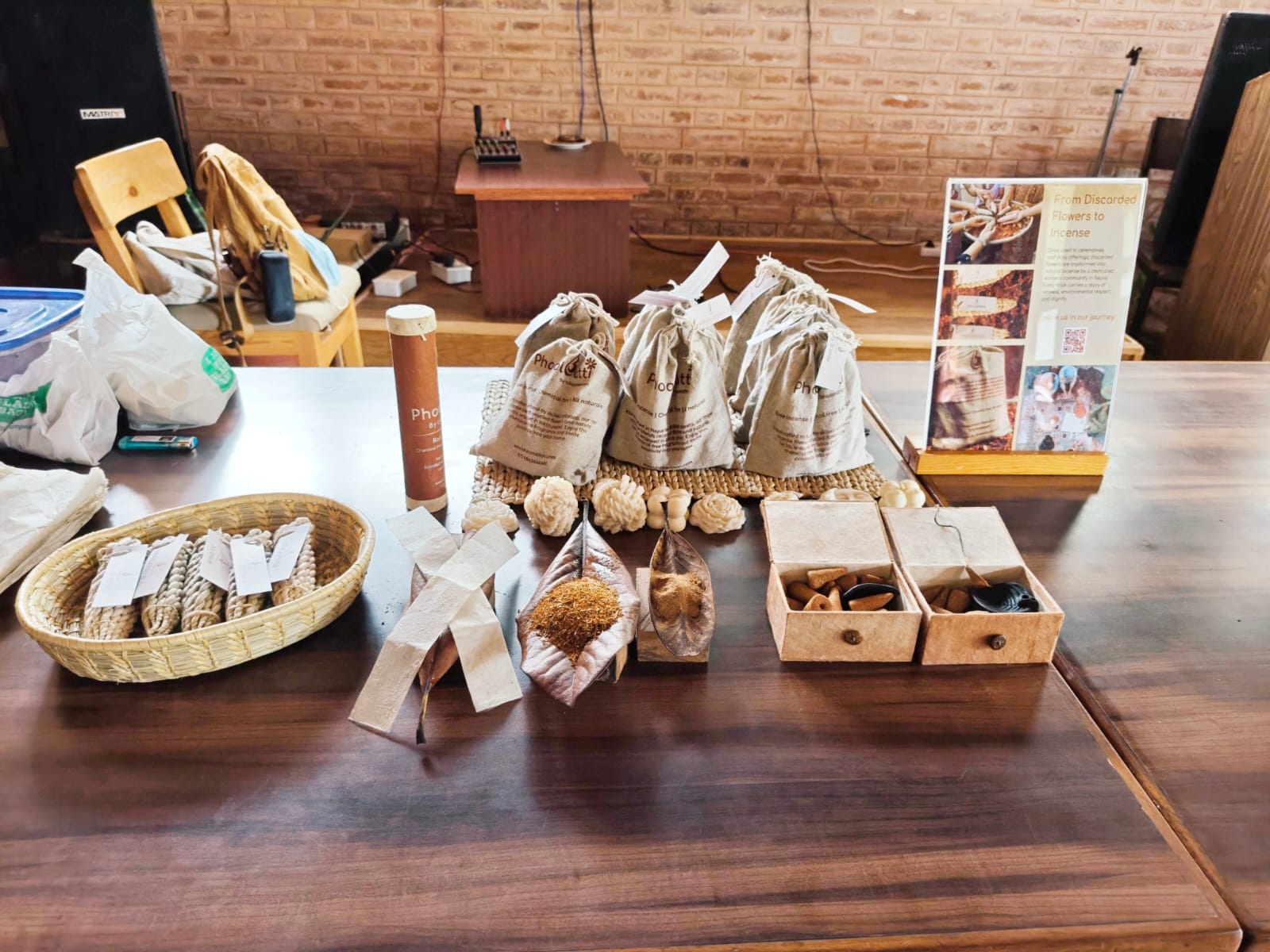
Leaf Plates and the Craft of Everyday Life
Traditional craftsmanship is not always about creating something decorative.
Leaf plates and bowls, commonly known as duna and tapari, demonstrate how natural materials have historically been turned into useful household and ceremonial objects.
Learning about traditional leaf plate making in Nepal offers a simple but interesting introduction to a craft based on locally available materials. The technique may appear straightforward, but the finished form depends on the careful arrangement and fastening of leaves.
These kinds of crafts are particularly valuable for understanding the relationship between traditional skills and everyday life. They show that handmade culture in Nepal has never been limited to objects displayed in temples or museums.
Nepali Cooking Workshops: Food, Culture & Tradition
Nepali cooking is more than preparing a meal. Food is closely connected to family life, festivals, hospitality, and everyday traditions. A cooking workshop offers a simple way to experience this side of Nepal through the preparation and sharing of local dishes.
Nepali cooking workshops introduce visitors to ingredients commonly found in local kitchens, including rice, lentils, vegetables, spices, herbs, and pickles. Participants may learn to prepare dishes such as dal bhat, tarkari, achar, or momo while discovering the techniques and flavours behind them.
Cooking traditions are often passed down through families and communities. Learning how ingredients are combined, spices are used, and dishes are prepared can offer a glimpse into customs that are rarely visible when simply eating at a restaurant.
For travellers exploring Kathmandu beyond its major landmarks, a Nepali cooking workshop provides a hands-on introduction to everyday food culture. It is a simple experience, but one that connects food with the people, traditions, and daily life of Nepal.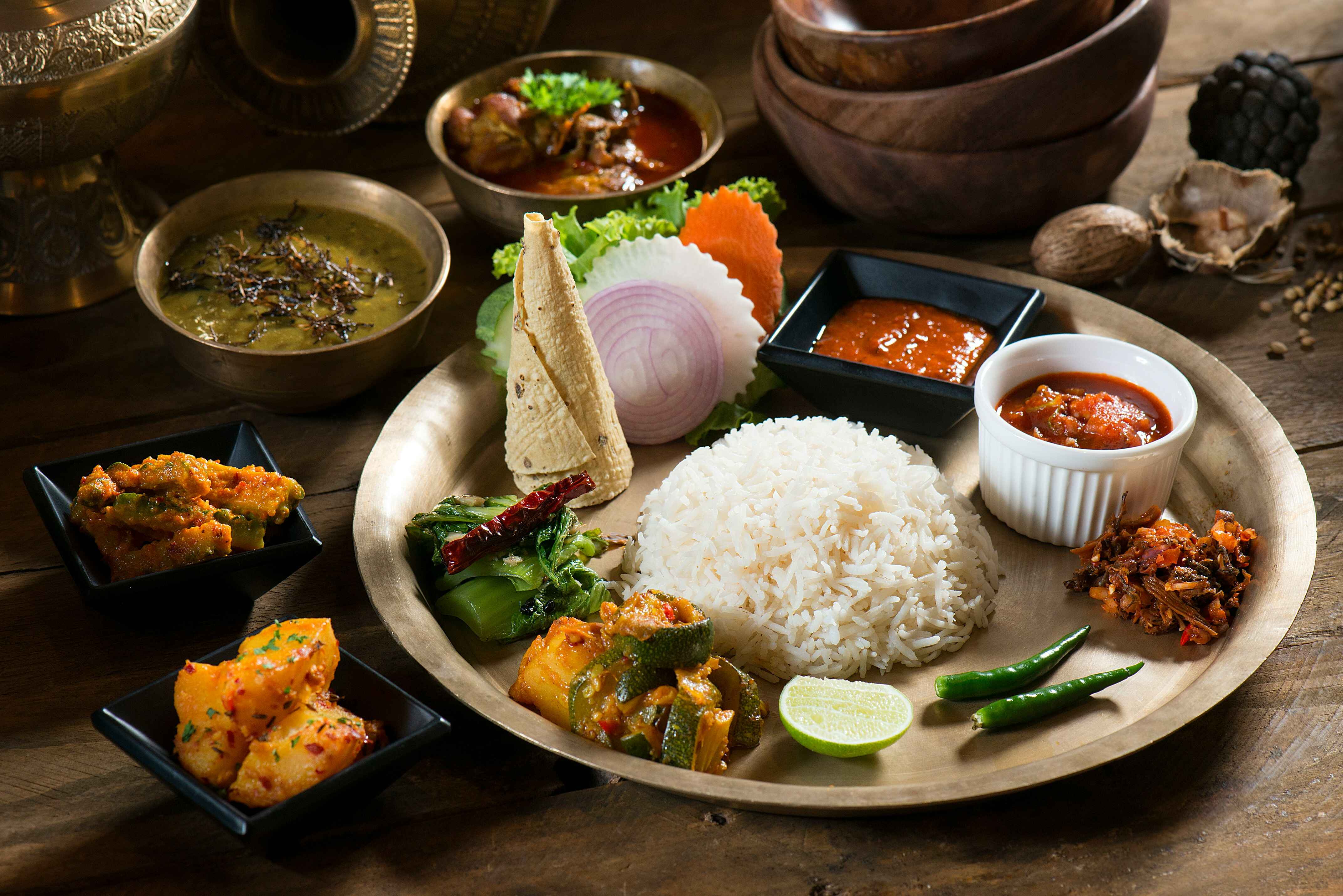
Musical Traditions: Traditional Instruments and the Craft Behind Music
Music provides another connection between art, craftsmanship and living heritage.
Nepal has a wide range of traditional musical instruments, each associated with different communities, regions and musical traditions. Instruments such as the Sarangi, Madal and Tungna are not simply objects used to produce sound; their construction is also part of traditional knowledge.
The making of an instrument requires an understanding of materials, proportions and sound. Wood must be shaped, surfaces prepared and individual components assembled so that the finished instrument produces the intended tone.
This connection between craftsmanship and music can add another dimension to the cultural experience. You are not only hearing a traditional instrument being played but beginning to understand the work that goes into creating it.
In Kathmandu Valley, traditional music and instrument-making therefore form another part of the broader story of living heritage.
Meet the Artisans Behind Kathmandu's Crafts
Perhaps the most important part of exploring traditional arts is meeting the people who continue to practise them.
An old building can show you what craftsmanship looked like in the past. An artisan working today can show you how that tradition continues in the present.
Some crafts are passed through families, while others are learned through years of apprenticeship and practice. Modern tools and changing markets have also influenced how artisans work, what they produce and who they make it for.
This does not necessarily make the traditions less authentic. Living crafts naturally change as communities and circumstances change.
For travellers, meeting an artisan can also provide context that cannot be found on a museum label. You can ask how a particular object is made, why a certain design is used, where the materials come from and how the craft has changed over time.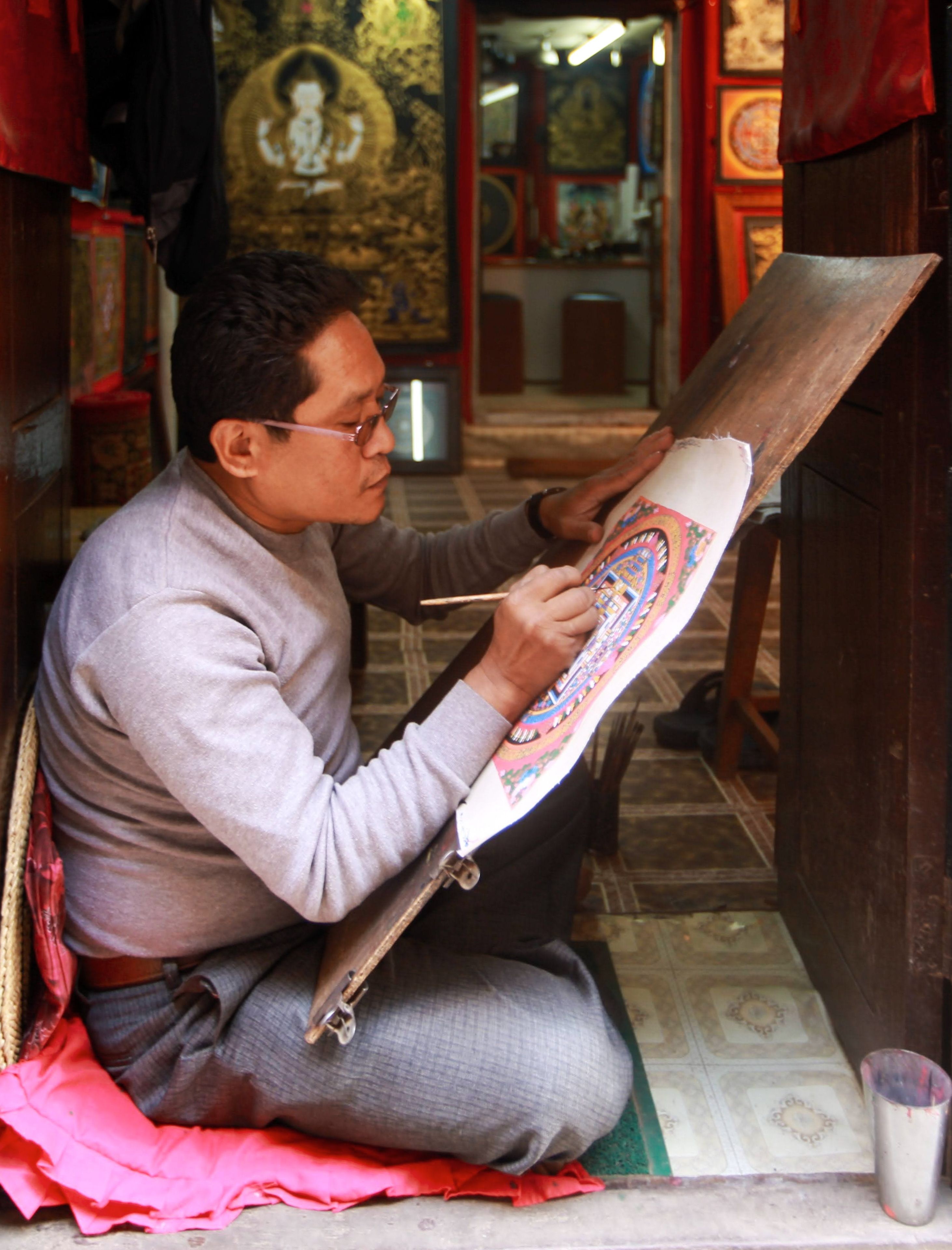
Why Traditional Crafts Are Part of Kathmandu's Living Heritage
The phrase living heritage can sound abstract until you see it in practice.
It is there when a craftsperson continues to carve a traditional pattern into wood. It is there when an artist paints a Paubha according to an established tradition. It is there when a potter shapes clay in Bhaktapur, when a metalworker casts a religious sculpture in Patan, or when someone continues making an everyday object by hand.
These traditions connect the present with the history of the Valley, but they are not frozen in time.
The workshops may now exist beside modern buildings. Artisans may use some contemporary tools. Their customers may come from around the world. Yet the knowledge, techniques and visual traditions continue.
That is what makes exploring Kathmandu's traditional arts and crafts different from simply visiting a historical monument.
Experiencing Kathmandu Beyond the Temples
The temples and stupas of Kathmandu Valley remain an essential part of understanding the region. But they tell only part of the story.
Look beyond them and you will find artisans shaping metal in Patan, potters working with clay in Bhaktapur, painters creating Thangka and Paubha, woodcarvers working on intricate designs, craftsmen making khukuris and people continuing smaller traditions such as incense, Phool Batti and leaf-plate making.
You may also encounter traditional musicians and instrument makers whose work connects craftsmanship with sound and storytelling.
These experiences reveal a Kathmandu Valley where heritage is not simply preserved behind museum glass. It continues in workshops, studios, courtyards, markets and homes.
For travellers who want to experience traditional crafts in Kathmandu rather than simply see another collection of monuments, spending time with the people who keep these traditions alive can offer a much deeper connection with the Valley.
The temples may introduce you to Kathmandu's history. Its artisans can show you how that history continues to live.
Experience Kathmandu Beyond the Monuments
Frequently Asked Questions
1. What traditional arts and crafts is Kathmandu known for?
Kathmandu Valley is known for traditional woodcarving, metalwork, pottery, Thangka and Paubha painting, stone carving, handmade paper, traditional musical instruments and other forms of Newar craftsmanship. Many of these traditions are still practised by artisans in Kathmandu, Patan and Bhaktapur.