Blog Details
06Nov
How Difficult Is a Horse Trek in Upper Mustang? Fitness, Altitude and Riding Challenges
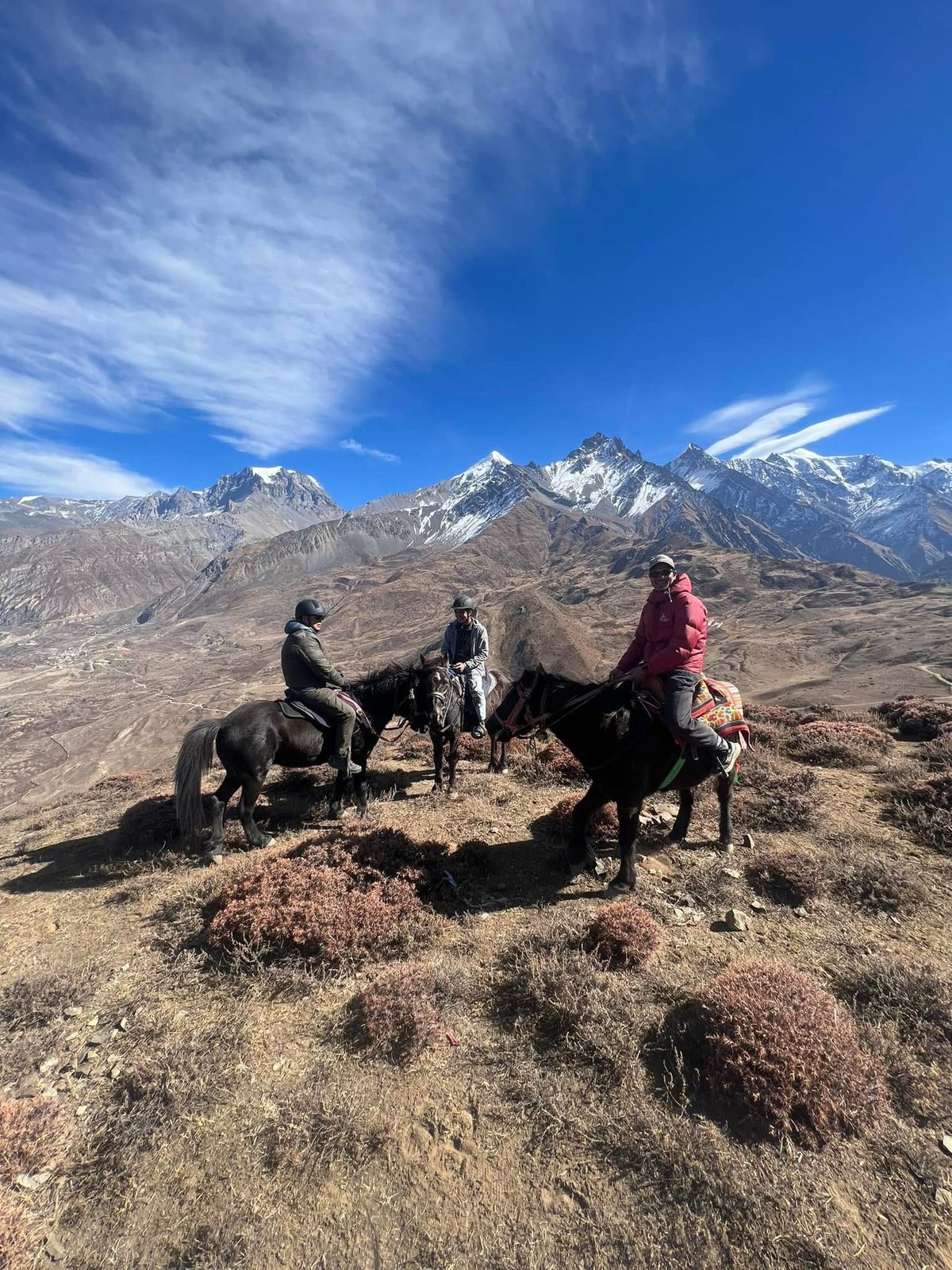
A horse trek through Upper Mustang offers a different way to explore Nepal’s remote Trans-Himalayan landscape. The route passes through dry mountain valleys, traditional settlements, rocky trails and high mountain passes, with views of the surrounding Himalayan ranges. Travelling on horseback reduces the need to walk the entire route, but it does not make the journey physically effortless. Daily riding hours, high altitude, uneven terrain and changing mountain weather all contribute to the overall difficulty.
Horseback riding in Upper Mustang involves more than simply sitting on a horse and enjoying the scenery. Riders need to remain balanced on uneven trails, adjust to several hours in the saddle and prepare for changes in temperature and altitude. Previous riding experience, general fitness and the ability to adapt to remote mountain conditions can all influence the experience. Understanding these factors helps prospective riders assess whether a horseback journey through Upper Mustang is suitable for them.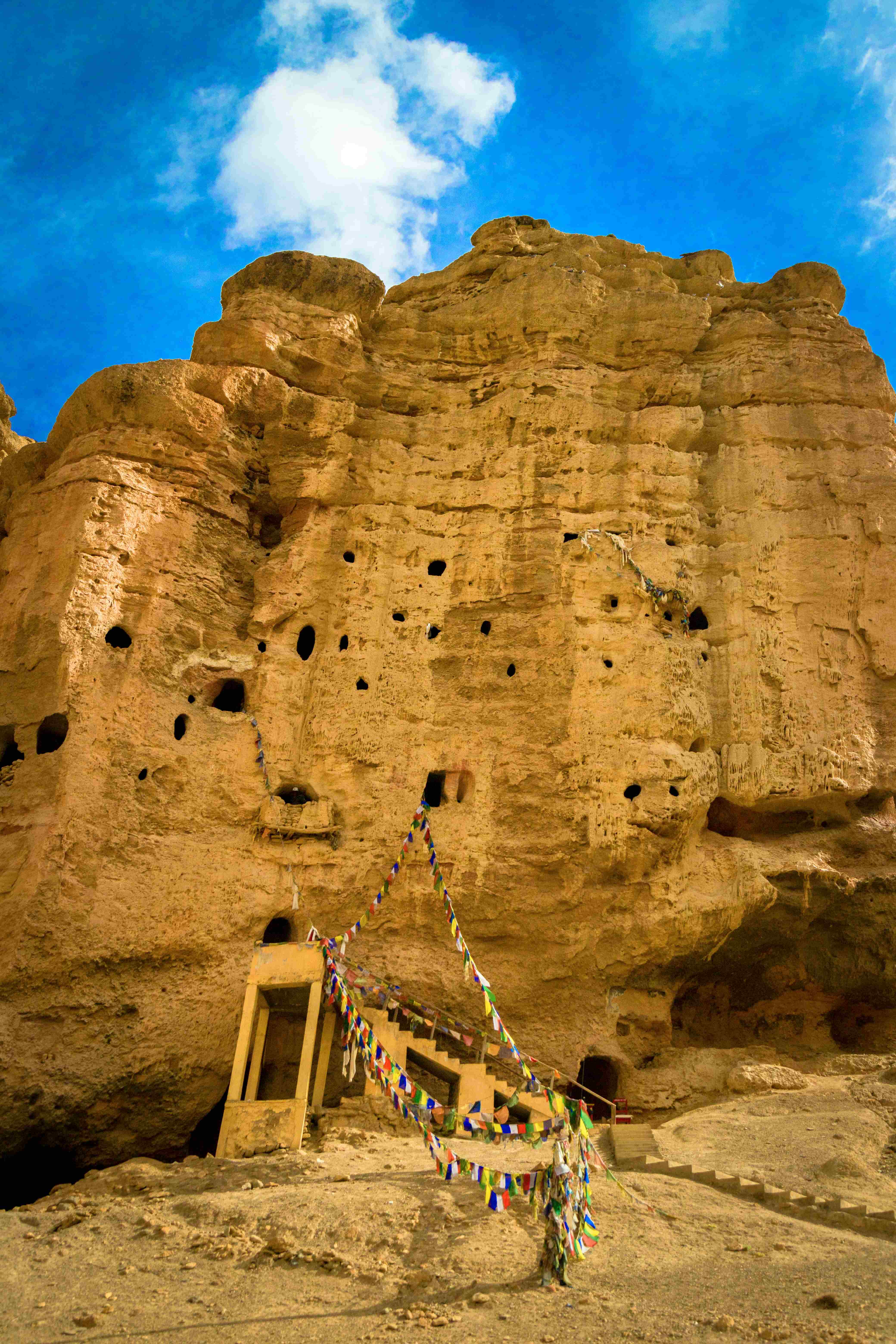
Understanding the Difficulty of a Horse Trek in Upper Mustang
A horse trek in Upper Mustang is best understood as a challenging mountain adventure rather than a recreational horse ride. The region lies in the rain shadow of the Annapurna and Dhaulagiri ranges, with landscapes shaped by dry river valleys, eroded hills, rocky slopes and open plateaus. Traditional settlements, monasteries and villages are spread across this high-altitude terrain. Although travelling on horseback reduces the amount of walking required, riders still need to adapt to the physical and environmental conditions of the Himalayas.
Several factors determine the difficulty of Upper Mustang horseback riding. These include the number of hours spent in the saddle each day, the condition of mountain trails, the altitude reached, weather conditions and the rider’s ability to maintain balance and comfort while riding. Some sections involve narrow or uneven paths, while remote areas offer fewer facilities and limited access to medical assistance compared with more developed trekking destinations. These conditions make the experience considerably different from a short horse ride around a village or tourist site.
The difficulty also depends on the route and the pace of travel. Some sections involve relatively gradual riding through open valleys, while others require crossing steep slopes, rocky paths and high mountain passes. Riders may need to dismount and walk when trail conditions make riding unsuitable. The combination of these challenges means that a horse trek in Upper Mustang requires preparation, patience and a willingness to adapt to the mountain environment.
How Fit Do You Need to Be for Horse Trekking in Upper Mustang?
Horse trekking does not require the same physical effort as walking the entire route, but it still places demands on the body. Spending several hours in the saddle can be tiring, particularly for someone who is not accustomed to riding. Riders need reasonable core strength and balance to maintain a comfortable position, along with sufficient leg and hip mobility. General stamina is also useful because the journey involves consecutive days of riding, changing weather and time spent at high elevations.
Being on horseback does not mean remaining completely inactive throughout the day. Riders may need to mount and dismount, walk short sections when trail conditions require it, move around during stops and manage their personal belongings. Uneven ground, cold temperatures and long periods outdoors can add to the physical demands. Someone who regularly walks, hikes or participates in outdoor activities may find the journey easier to manage than someone with a largely sedentary routine.
You do not necessarily need to be an athlete or have the fitness level required for a demanding high-altitude trek on foot. However, a reasonable level of physical conditioning is important. Regular walking, uphill exercise, gentle cardiovascular activities and basic strength and balance exercises before departure can help prepare the body. Physical fitness should not be confused with altitude acclimatisation, as being fit does not prevent altitude sickness.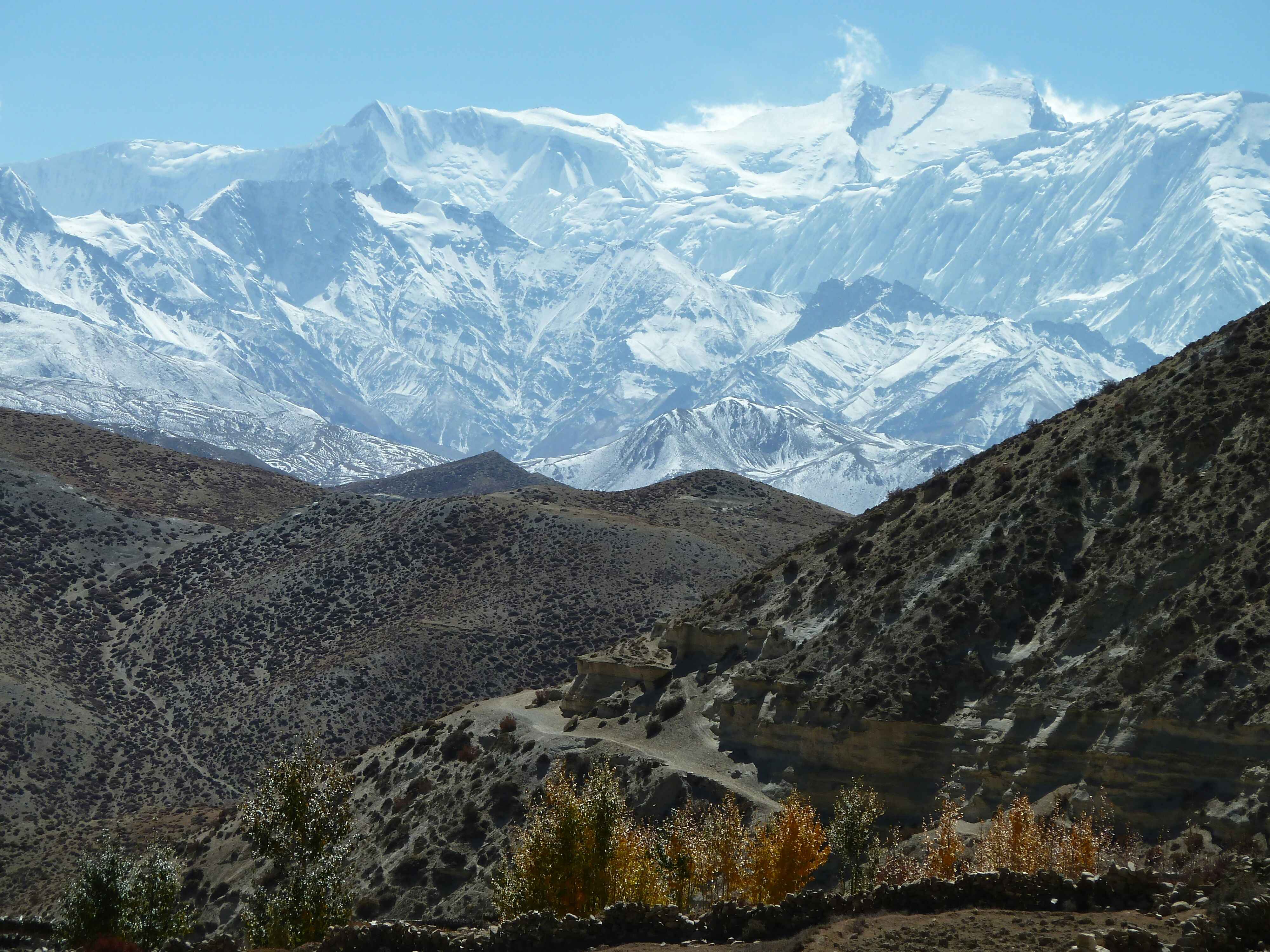
Altitude and Acclimatisation: Riding Above 3,000 Metres
Altitude is one of the most important factors when assessing the difficulty of a horse trek in Upper Mustang. Much of the journey takes place above 3,000 metres, where the air pressure is lower and less oxygen is available with each breath than at sea level. The body needs time to adjust to these conditions. Travellers may notice that ordinary activities feel more tiring, while sleep, appetite and energy levels can also be affected. Riding rather than walking does not remove the effects of high altitude.
Horseback routes in Upper Mustang cross several high-altitude sections and mountain passes, some reaching elevations of around 4,000 metres or more. At these elevations, altitude awareness is essential, regardless of riding experience or physical fitness. Acute mountain sickness (AMS) can affect healthy and physically active people. Common early symptoms include headache, tiredness, loss of appetite and nausea. These symptoms should not automatically be treated as ordinary fatigue from riding or dismissed as a normal part of the journey.
Acclimatisation depends largely on the rate of ascent and the elevation at which a person sleeps, rather than simply the highest point reached during the day. Gradual ascent and sufficient time at intermediate elevations allow the body to adjust. Once above 3,000 metres, a commonly recommended approach is to limit increases in sleeping altitude to around 500 metres per day and allow an additional acclimatisation night for every 1,000 metres gained. Individual responses vary, so the pace of ascent should allow flexibility. Anyone developing altitude symptoms should not continue ascending, and worsening or serious symptoms require descent and medical attention. A medical professional should be consulted before undertaking a high-altitude expedition, particularly if there are existing health concerns.
Riding Challenges: Rocky Trails, Mountain Passes and Long Days in the Saddle
The terrain is a defining part of horseback riding in Upper Mustang. The region includes dry river valleys, open plateaus, eroded hills, rocky slopes and trails connecting traditional settlements. Unlike riding on a prepared track or open field, mountain riding requires attention to the surface beneath the horse. Trail conditions can change along the route, and riders need to remain comfortable as the horse moves over uneven ground, narrow paths and sloping sections.
The time spent riding each day is another important consideration. Riding hours vary according to the route, distance between settlements, terrain and local conditions. Some days involve several hours in the saddle, while others may include shorter riding sections and more time for exploring villages or cultural sites. Remaining in the saddle for extended periods can cause stiffness or discomfort, especially for people with little previous riding experience. Maintaining balance, following the horse’s movement and staying attentive throughout the ride require more effort than many first-time riders expect.
Mountain weather can add another layer of difficulty. Wind, cold temperatures, dust and changing conditions may affect comfort and visibility, while the condition of individual trails can influence the pace of travel. Riders should be prepared to follow the horse guide’s instructions, adjust their pace and dismount when advised. Steep climbs, descents and narrow sections may be safer to cover on foot while the horse is led. The aim is not to cover the route as quickly as possible, but to travel at a pace appropriate to the horses, riders and prevailing conditions.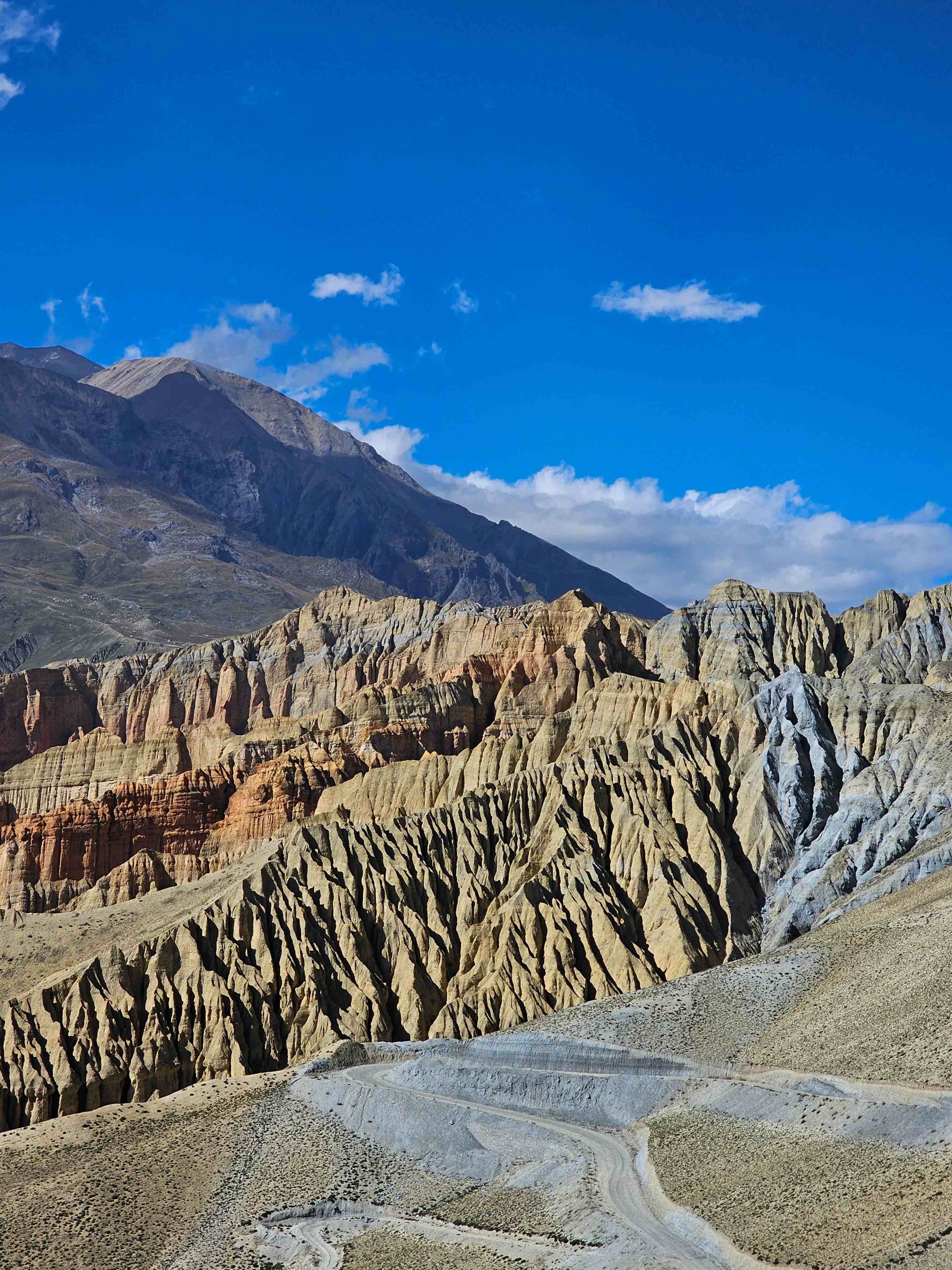
The Horses of Upper Mustang: Endurance, Handling and Riding Comfort
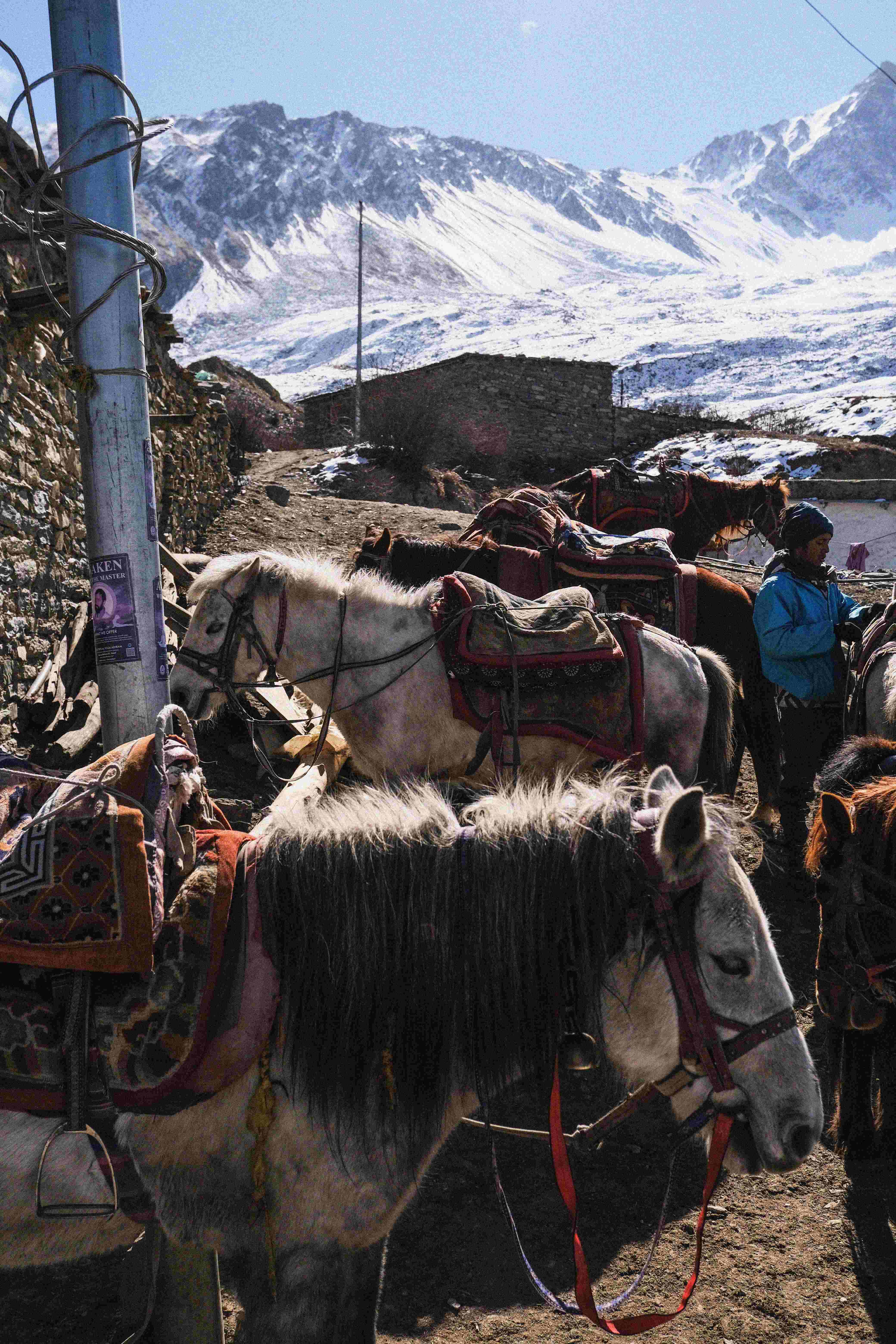
The horses associated with Mustang are adapted to life in a mountainous environment. Often described as Mustang horses or Tibetan mountain ponies, they are generally smaller than many riding horses familiar to international travellers. They commonly stand around 12–14 hands, equivalent to approximately 130–140 centimetres. Their sturdy build, endurance and familiarity with local terrain are important characteristics for journeys across the region’s mountain trails.
Traditional tack and handling practices are also part of horseback travel in Mustang. Horses have historically been used for transportation and for carrying goods across difficult terrain. Traditional Tibetan-influenced saddles, harnesses and other equipment reflect this history. Riding comfort may differ from what someone expects at a commercial riding centre, so it is useful to understand that the experience involves mountain horses and equipment suited to local conditions. The horse guide’s knowledge of the animals, equipment and route is an important part of the journey.
The suitability of a horse also depends on the rider’s weight, the animal’s condition and the demands of the terrain. Mustang horses are working animals, and their capacity should be considered carefully before a journey begins. Horse selection, suitable equipment and appropriate loads are important for both rider safety and animal welfare. The horses should be given adequate rest, and riders should follow the horse guide’s instructions about when to remain mounted and when to walk.
Do You Need Previous Horse-Riding Experience?
Previous riding experience is helpful for a horseback expedition in Upper Mustang, particularly when it comes to balance, posture, handling the reins and feeling comfortable with the horse’s movement. Riders who have spent time in the saddle may find it easier to adapt to several consecutive days of riding. However, experience on a horse in a riding arena or on gentle trails is not exactly the same as riding across remote mountain terrain.
People with limited riding experience should consider the demands carefully before joining a high-altitude expedition. A first-time rider may be able to learn basic riding skills, but a multi-day journey through remote mountain terrain is not an ideal setting to treat the entire trip as an introductory riding lesson. Comfort around horses, the ability to follow instructions and confidence while mounted are important. It is also worth considering how the body may respond to several hours in the saddle over consecutive days.
The key distinction is between being new to horseback riding and being unprepared for the expedition itself. Having little or no previous experience does not automatically determine whether someone can participate, but it should be discussed honestly before departure. The route’s difficulty, daily riding duration, altitude and physical demands all need to be considered together. Prospective riders should share their riding background and fitness level with the expedition organiser so that their suitability can be assessed realistically.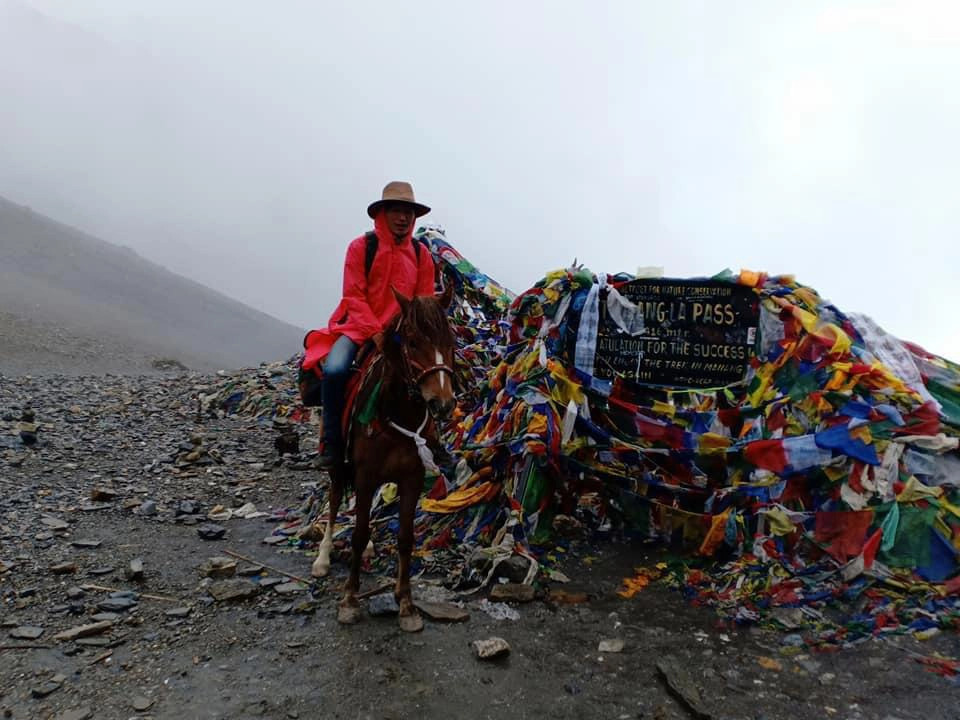
Weather, Season and Trail Conditions: What Makes the Journey More Challenging?
Upper Mustang lies in the rain shadow of the Annapurna and Dhaulagiri ranges, giving it a drier climate than many other parts of Nepal. This is one reason the region is known as a possible trekking destination during parts of the monsoon season, when other areas of the country receive heavy rainfall. However, dry conditions do not mean that the weather is always easy. Strong winds, cold temperatures, dust and sudden changes in mountain conditions can still affect a horseback journey.
Spring and autumn are generally favourable seasons for horse trekking in Upper Mustang. These periods often offer suitable conditions for travelling through mountain settlements and across high passes. The monsoon months can also be suitable because the region receives considerably less rainfall than much of Nepal. Winter, however, brings colder temperatures and the possibility of snow at higher elevations. Conditions can vary between lower settlements and high mountain passes, making layered clothing and preparation for changing weather essential.
Weather is particularly important when travelling through remote mountain areas because it can affect transportation and the progress of the journey. Travel to Jomsom may involve flights, which can be delayed or cancelled due to weather conditions. Road alternatives may be required when flights cannot operate. It is advisable to allow flexibility in travel plans and avoid arranging onward international connections too tightly around the expected end of the journey.
How to Prepare for a Horse Trek in Upper Mustang
Preparation should begin well before arriving in Nepal. Regular walking, gentle uphill exercise and activities that improve balance and core strength can help build general fitness for the journey. If you have little riding experience, spending time with horses before departure can also be useful. Even a few introductory riding sessions may help you become familiar with mounting, posture, basic rein handling and the movement of a horse. This preparation will not replace experience on mountain trails, but it can make the first days more comfortable.
Packing appropriate clothing and equipment is equally important. Temperatures can vary considerably between lower settlements and higher elevations, so layered clothing is more practical than relying on one heavy jacket. A warm outer layer, comfortable trousers suitable for riding, gloves, sunglasses, sun protection and sturdy footwear are useful. Padded cycling shorts or comfortable leggings can help reduce discomfort during long hours in the saddle. A small daypack should hold personal essentials such as water, snacks, extra layers and any medication normally required. The exact packing list should be adjusted to the season and the conditions expected along the route.
High-altitude preparation also deserves attention. Learn about the symptoms of altitude sickness, understand the route’s elevation changes and allow sufficient time for acclimatisation. It is sensible to discuss the trip with a healthcare professional, particularly if you have previously experienced altitude illness or have a medical condition that could affect high-altitude travel. Travel insurance should cover the altitude and activities involved, including emergency evacuation where available. Good preparation cannot remove every challenge, but it can help you approach the expedition with greater confidence.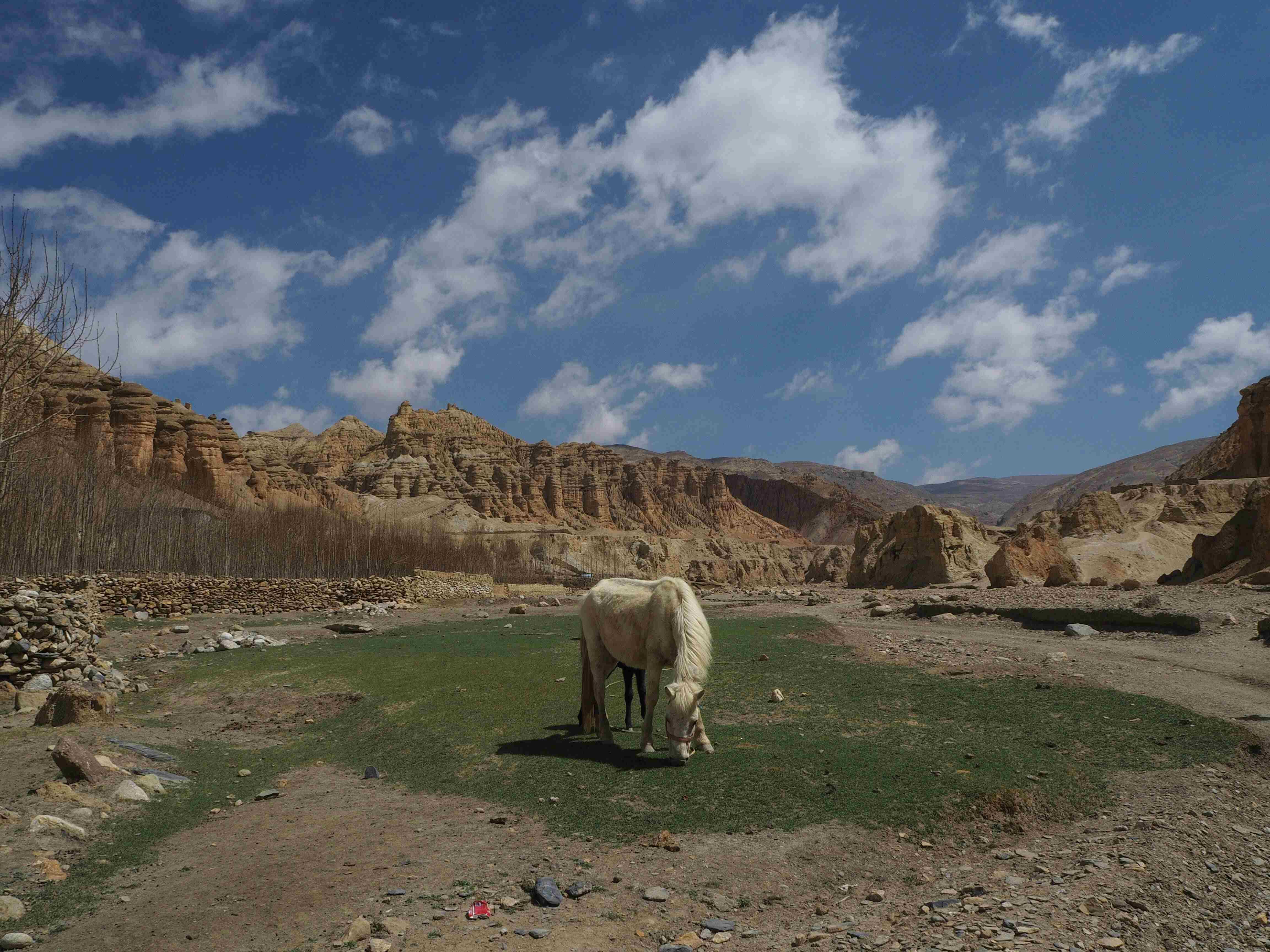
Is a Horse Trek in Upper Mustang Right for You?
A horse trek in Upper Mustang may appeal to people who want to explore remote Himalayan landscapes and traditional settlements without walking the entire route. It offers a different way to experience the region, particularly for those interested in horses, mountain travel and Mustang’s cultural heritage. However, the journey is best suited to people who are comfortable spending several hours outdoors, can manage consecutive days of riding and are prepared for the realities of high-altitude travel.
The expedition may be less suitable for someone expecting a relaxed holiday with short, occasional horse rides or for anyone unwilling to adapt to changing weather, uneven trails and basic facilities in remote areas. Riders with no previous experience should think carefully about the learning curve and discuss their circumstances before making a decision. Those with concerns about altitude, balance, mobility or prolonged time in the saddle should seek appropriate professional advice and an honest assessment of the route’s demands.
Ultimately, deciding whether Upper Mustang is the right horseback adventure means looking beyond the idea of riding through beautiful mountain scenery. The journey combines riding ability, physical readiness, acclimatisation and flexibility in a remote environment. Understanding these factors in advance helps riders make an informed decision and arrive with realistic expectations of what horseback riding in Upper Mustang involves.
Ready to Explore Upper Mustang on Horseback?
Frequently Asked Questions
1. How difficult is horseback riding in Upper Mustang?
Horseback riding in Upper Mustang is moderately to highly challenging, depending on the route, altitude, trail conditions, and rider experience. The journey involves uneven terrain, rocky paths, steep sections, and high-altitude conditions. Although riding reduces the amount of walking required, it still demands physical stamina and the ability to remain comfortable in the saddle for extended periods.