Blog Details
29Oct
Unique Day Trips from Kathmandu for Travellers Who Want Something Different
Kathmandu is known for its UNESCO World Heritage Sites, historic temples and Buddhist stupas, but the Kathmandu Valley offers much more than conventional sightseeing. Beyond its famous landmarks, you can discover traditional crafts, listen to Nepal’s folk musicians, explore local food traditions, experience Buddhist art and sound, or leave the city early for a Himalayan sunrise.
These experiences reveal different aspects of Nepal’s cultural life. Some take place in historic towns such as Bhaktapur, while others bring you into contact with traditional skills, religious practices and everyday customs that continue to shape local communities. They can also be combined with visits to well-known sites, making it possible to experience Kathmandu from a different perspective without travelling far from the capital.
If you are looking for unique experiences in Kathmandu or wondering what to do beyond the usual sightseeing itinerary, these eight ideas offer a starting point. Each provides a different way to explore the city and its surroundings, whether you have a few hours free or an entire day to discover something new.
A Different Rhythm of Kathmandu: Folk Music, Stories and Cultural Traditions
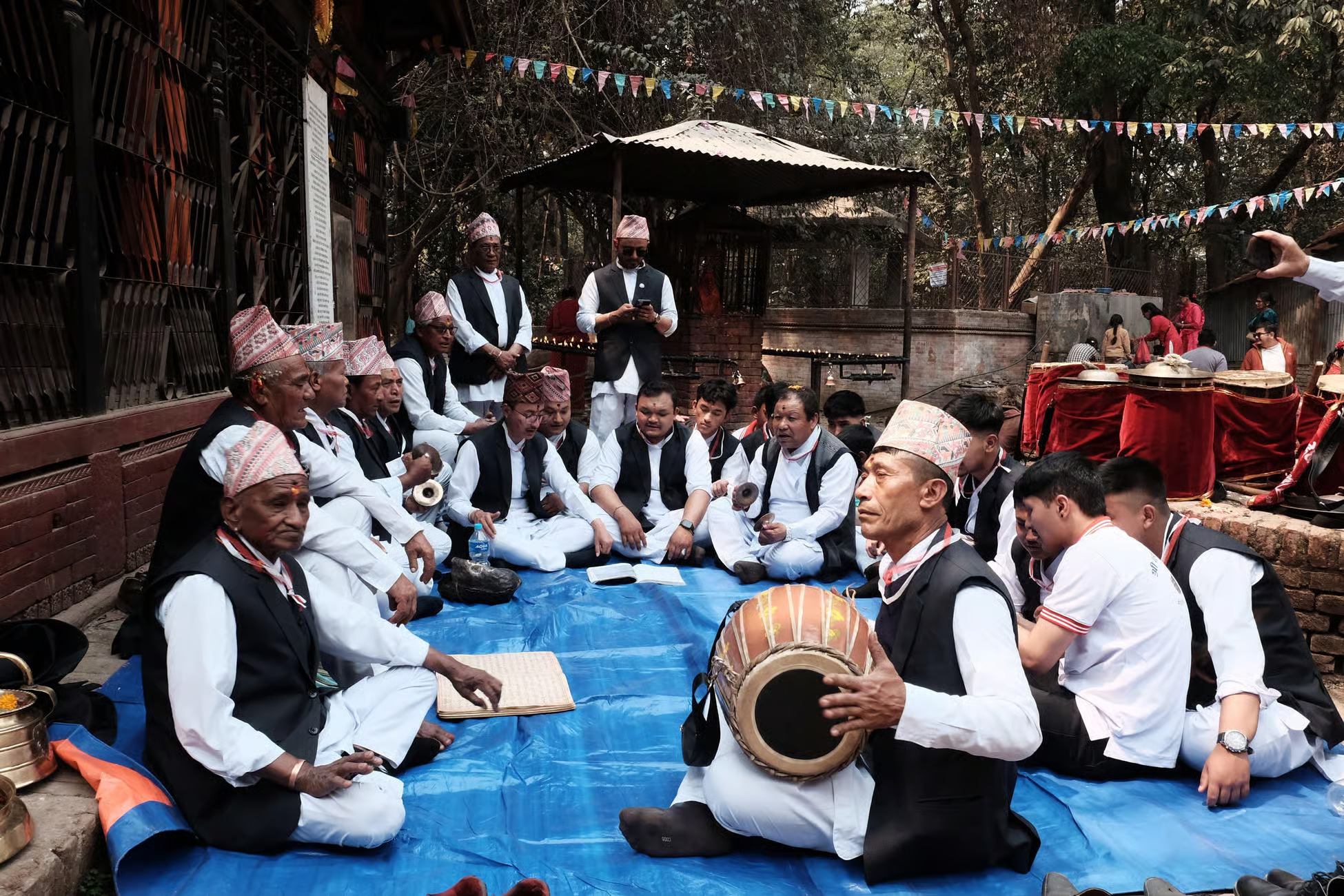
The Sarangi is one of Nepal’s most recognisable traditional instruments, closely associated with the Gandharva community, whose musicians have historically travelled between villages and towns, sharing songs, stories and news through music. A folk music experience offers an opportunity to hear the instrument played live, learn about its role in Nepali musical heritage and discover the traditions of the people who have carried this music across generations.
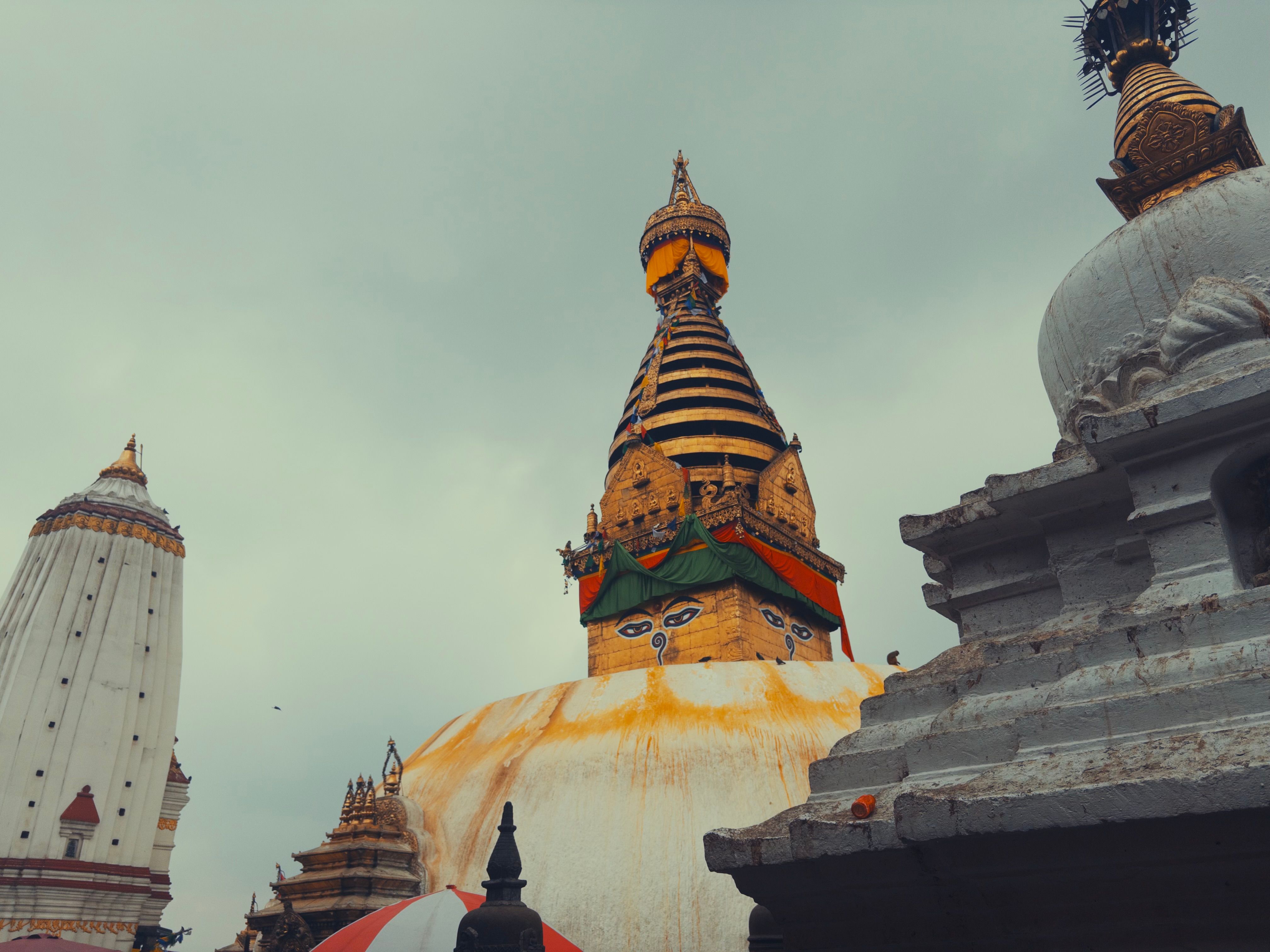
Folk music can also be incorporated into a cultural sightseeing tour of Kathmandu Valley’s UNESCO World Heritage Sites. Alongside visits to places such as Bhaktapur Durbar Square, Swayambhunath and Pashupatinath, a Gandharva musician can accompany selected parts of the journey with traditional Sarangi performances. As you explore the sites with a professional cultural guide, the music adds another dimension to the experience, connecting the history, legends and religious traditions of these landmarks with Nepal’s living cultural heritage. The same concept can be combined with other heritage sites in the Valley, depending on the itinerary.
From the medieval courtyards and temples of Bhaktapur to the hilltop setting of Swayambhunath and the sacred surroundings of Pashupatinath, the journey brings together architecture, history and music. Rather than experiencing folk music separately from sightseeing, you can discover how the Sarangi and Gandharva storytelling tradition complement the places you visit. It is a distinctive option for anyone looking for a cultural day tour in Kathmandu that goes beyond monuments alone.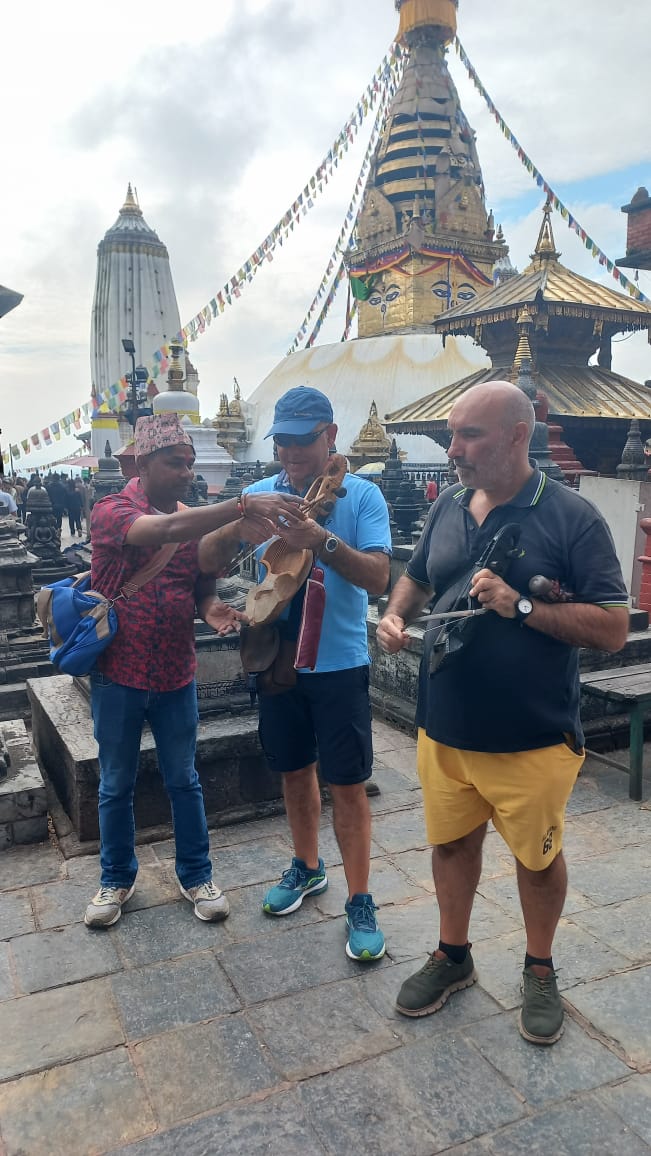
Beyond Bhaktapur’s Temples: Pottery, Local Flavours and Living Traditions
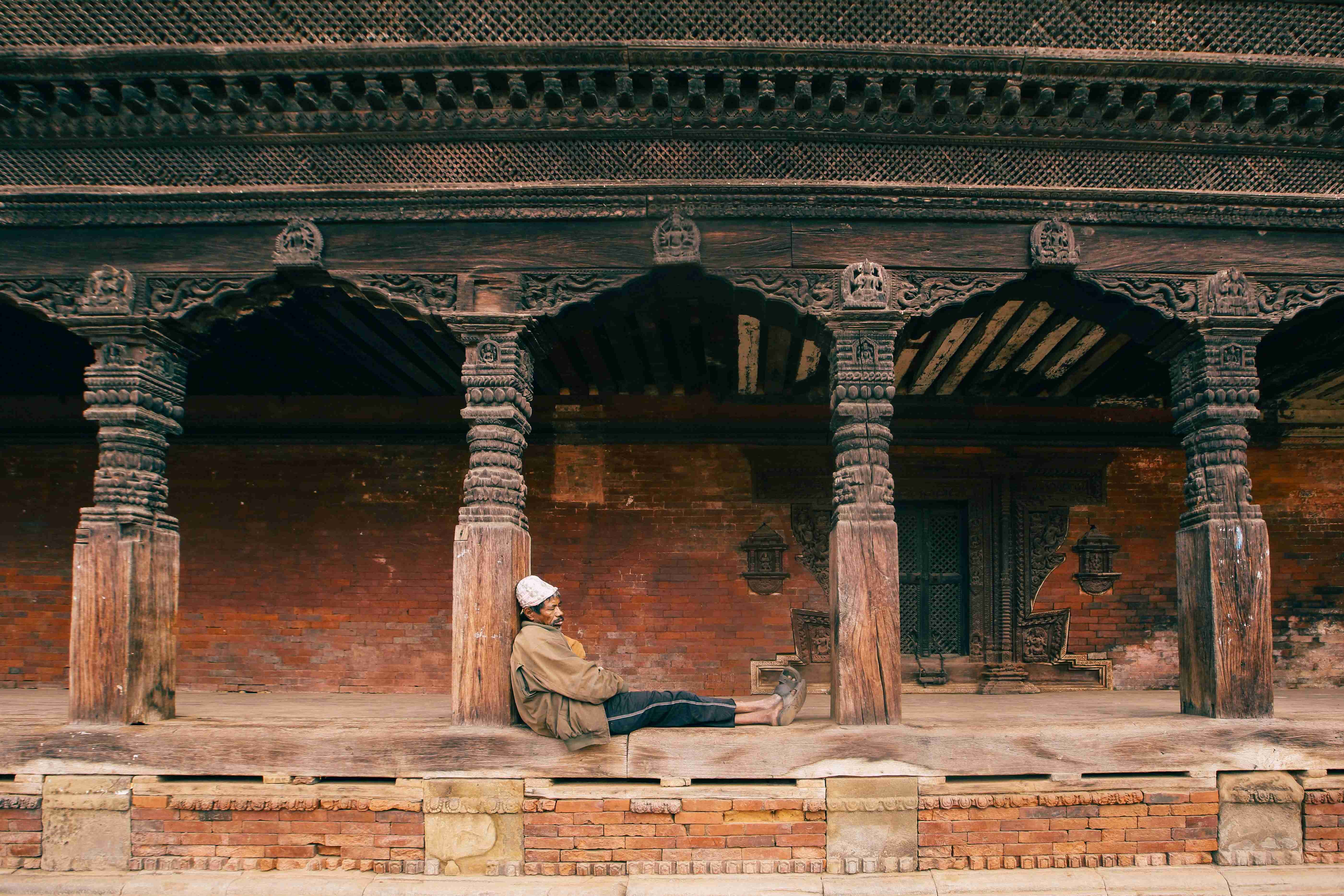
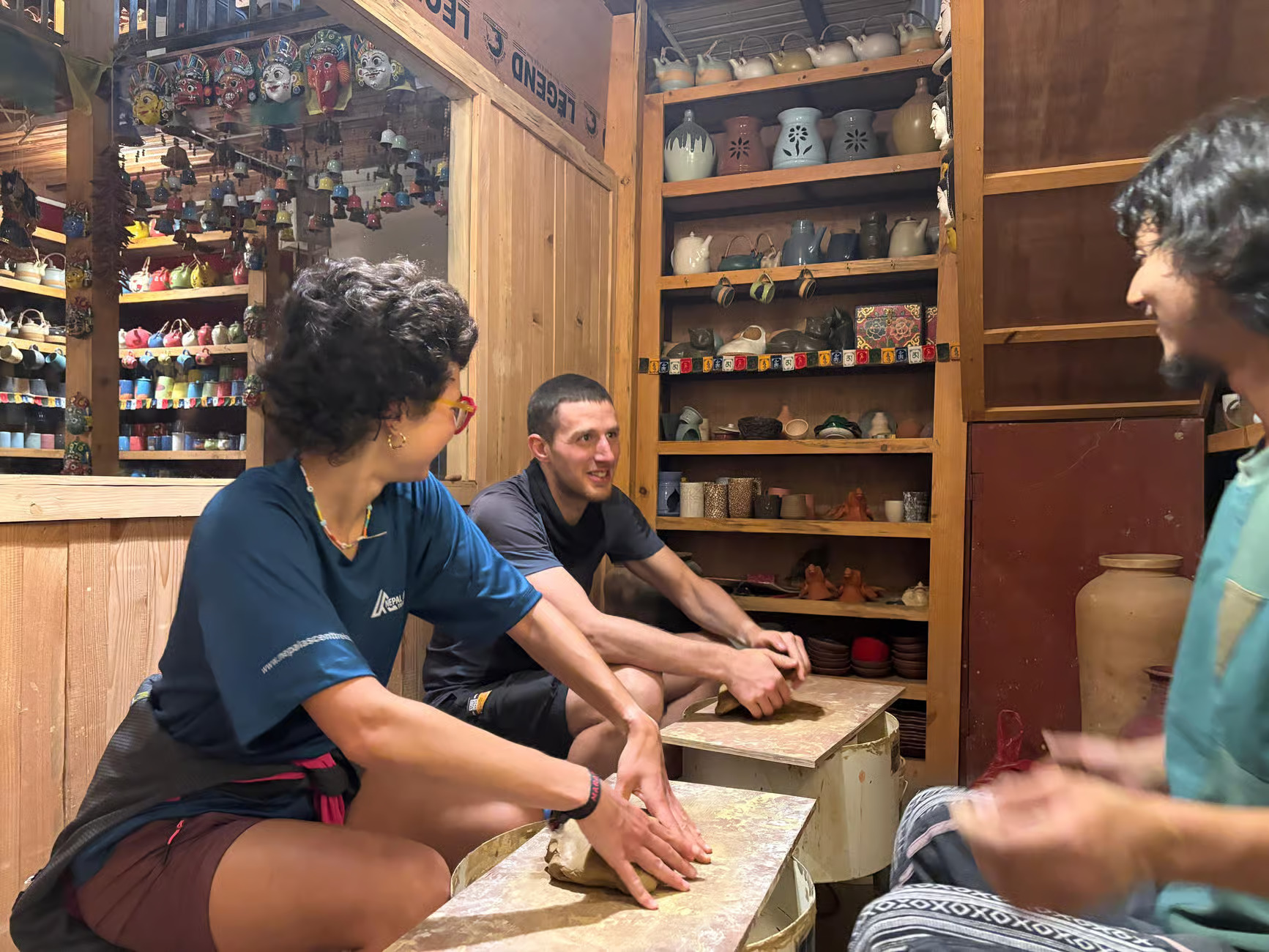
Bhaktapur is widely recognised for its traditional architecture, pagoda-style temples and historic squares, but its cultural identity is also closely connected with craftsmanship and food. The town’s pottery tradition is particularly visible in its open working spaces, where clay pots and other earthenware are shaped, dried and prepared for use. Pottery is not simply a demonstration of an old technique here; it reflects a practical craft that has been part of local life for generations.
Trying pottery yourself offers a different perspective on the town. Under the guidance of a craftsperson, you can work with clay, learn how to centre it on a potter’s wheel and attempt to shape a simple vessel. The process is more challenging than it may first appear, requiring steady hands and patience. Even a short session gives you a better appreciation of the skill involved in producing the everyday objects that are often taken for granted. It also makes a visit to Bhaktapur’s pottery areas more personal than simply observing the finished products.
Food adds another layer to the experience. Bhaktapur is famous for Juju Dhau, often translated as “king curd,” a rich, creamy yoghurt traditionally associated with the town. You can combine pottery with a taste of Juju Dhau and an introduction to local devotional music, including bhajans, depending on the experience arranged. Together, these activities reveal a side of Bhaktapur that extends beyond its monuments, making the town a rewarding choice for a day trip from Kathmandu focused on local culture, traditional skills and regional flavours.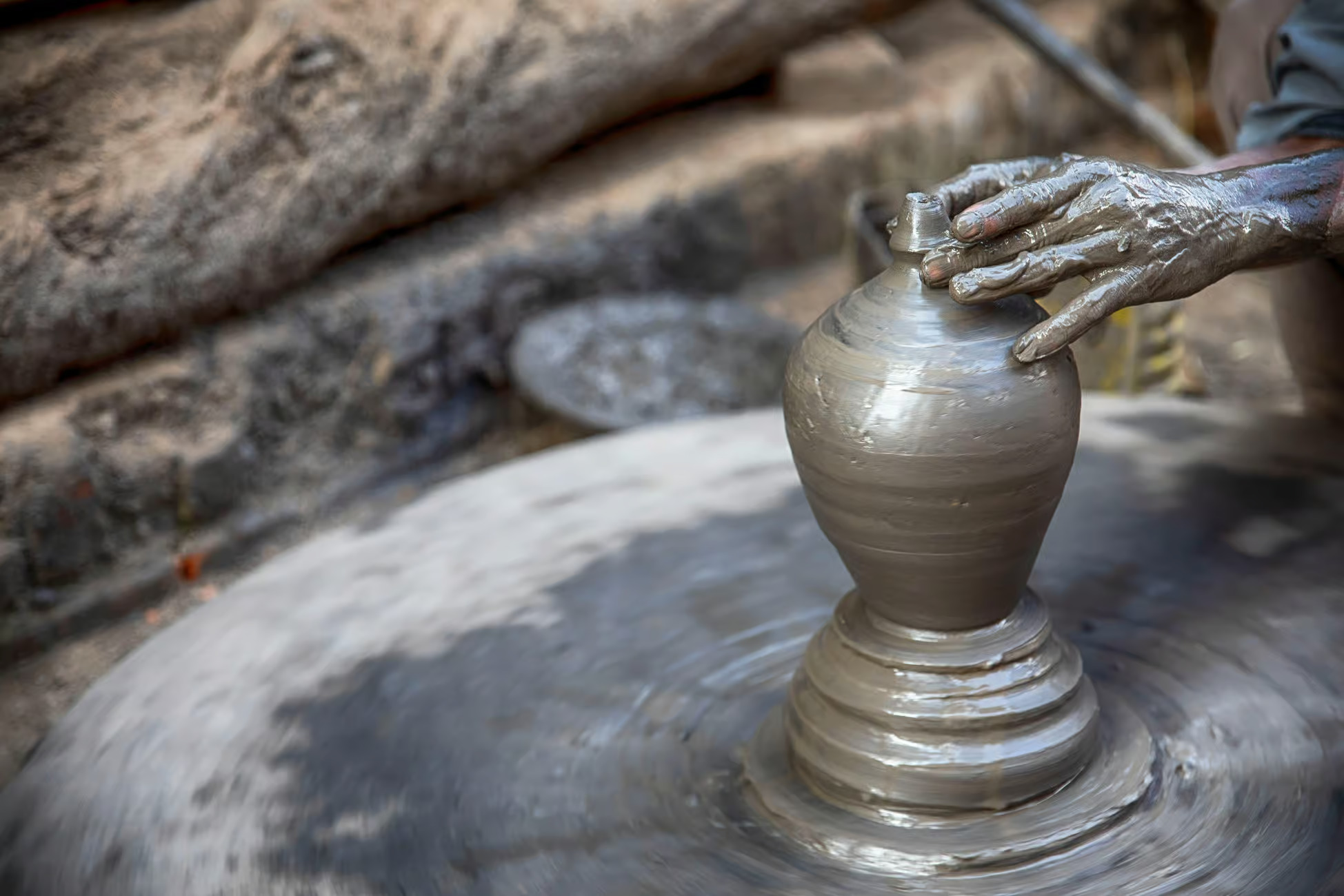
The Fragrance of Tradition: Exploring Nepal’s Incense-Making Heritage
Incense is familiar in Nepalese homes, temples and monasteries, where its fragrance accompanies prayer, offerings, meditation and everyday religious practices. Yet the finished sticks reveal little about the process behind them. Traditional incense making provides an opportunity to explore the ingredients, preparation methods and craftsmanship involved in creating something that is used so regularly but rarely examined closely.
During a hands-on incense-making experience in Kathmandu, you can learn how aromatic materials and other ingredients are prepared and combined to create incense. Depending on the method being demonstrated, the process may involve mixing powdered ingredients, preparing a suitable binding mixture and shaping the incense by hand. The textures, fragrances and techniques make the activity engaging even for someone with no previous experience in traditional crafts. It also offers an introduction to the role that scent plays in Nepal’s spiritual and domestic life.
This is a particularly interesting option for anyone searching for cultural activities in Kathmandu that go beyond visiting temples. Instead of only observing incense being offered at a shrine, you can learn about the craft behind it and gain a better understanding of its everyday uses. The experience can fit into a half-day programme or be combined with a walk through an older neighbourhood, a visit to a Buddhist site or time exploring Kathmandu’s local markets.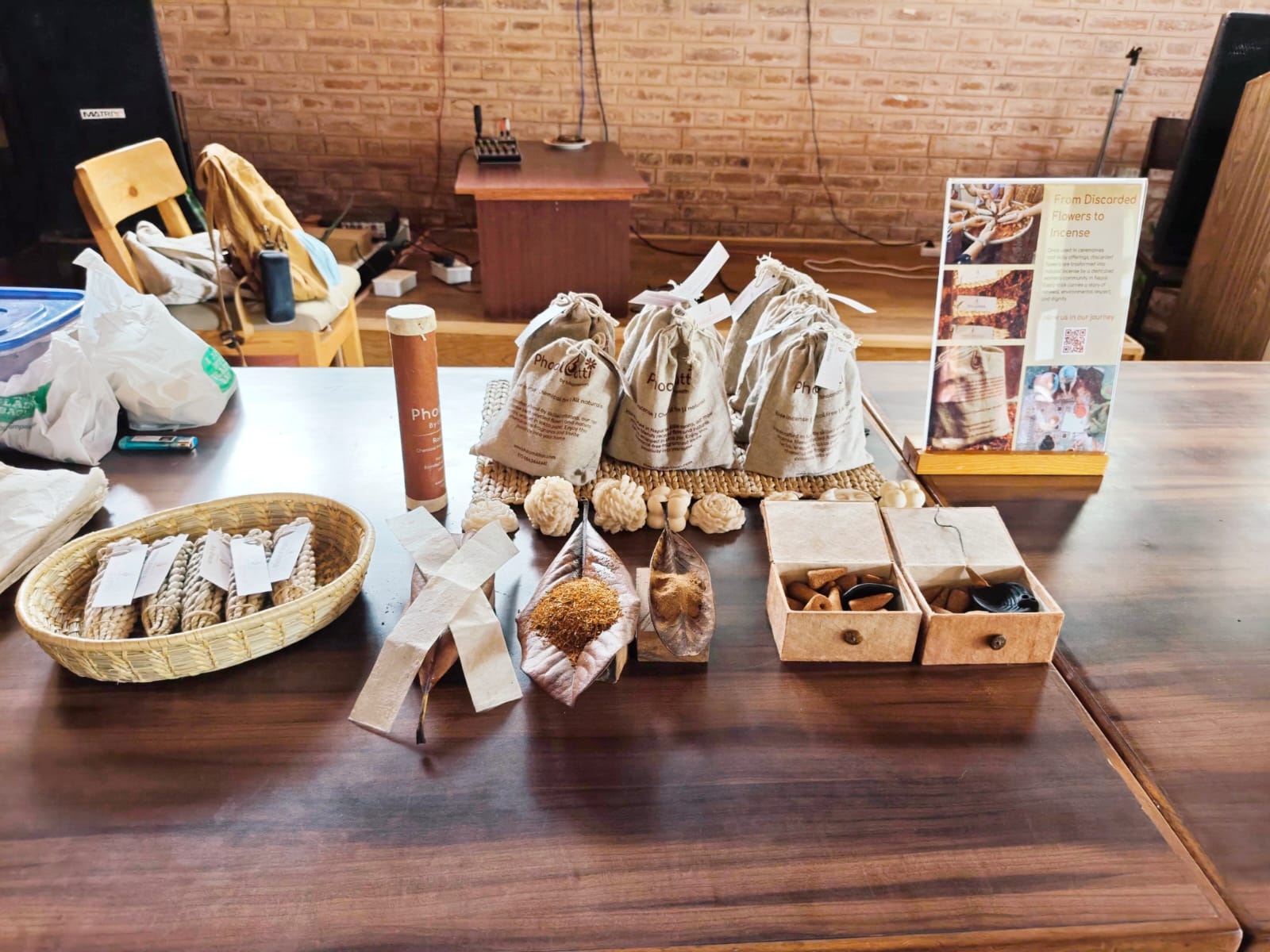
From Leaf Plates to the Family Table: Discovering Everyday Nepali Traditions
Some cultural experiences are built around grand monuments, while others begin with ordinary objects used in daily life. Tapari, traditional plates made from leaves, are an example of the latter. Leaf plates have long been used in Nepal for serving food, particularly during religious occasions, festivals, communal gatherings and traditional feasts. Their production reflects a practical skill that connects natural materials with everyday customs.
Making a tapari by hand introduces you to the process of selecting, arranging and fastening leaves into a usable plate. The task may look simple, but creating a plate that holds its shape requires care and technique. It also provides a useful perspective on how traditional household practices developed around locally available materials. Rather than encountering tapari only at a meal or ceremony, you can learn how they are made and why they remain meaningful in particular settings.
The experience becomes even more personal when paired with traditional Nepali home cooking. You might help prepare familiar dishes, learn how ingredients and spices are used, and share a meal that brings together food and craft. Depending on the cooking session, the menu could include dal bhat, vegetable dishes, pickles or other everyday Nepali preparations. For those looking for authentic cultural experiences in Kathmandu and the surrounding Valley, leaf-plate making and home cooking offer a glimpse into domestic traditions that a restaurant meal alone cannot fully convey.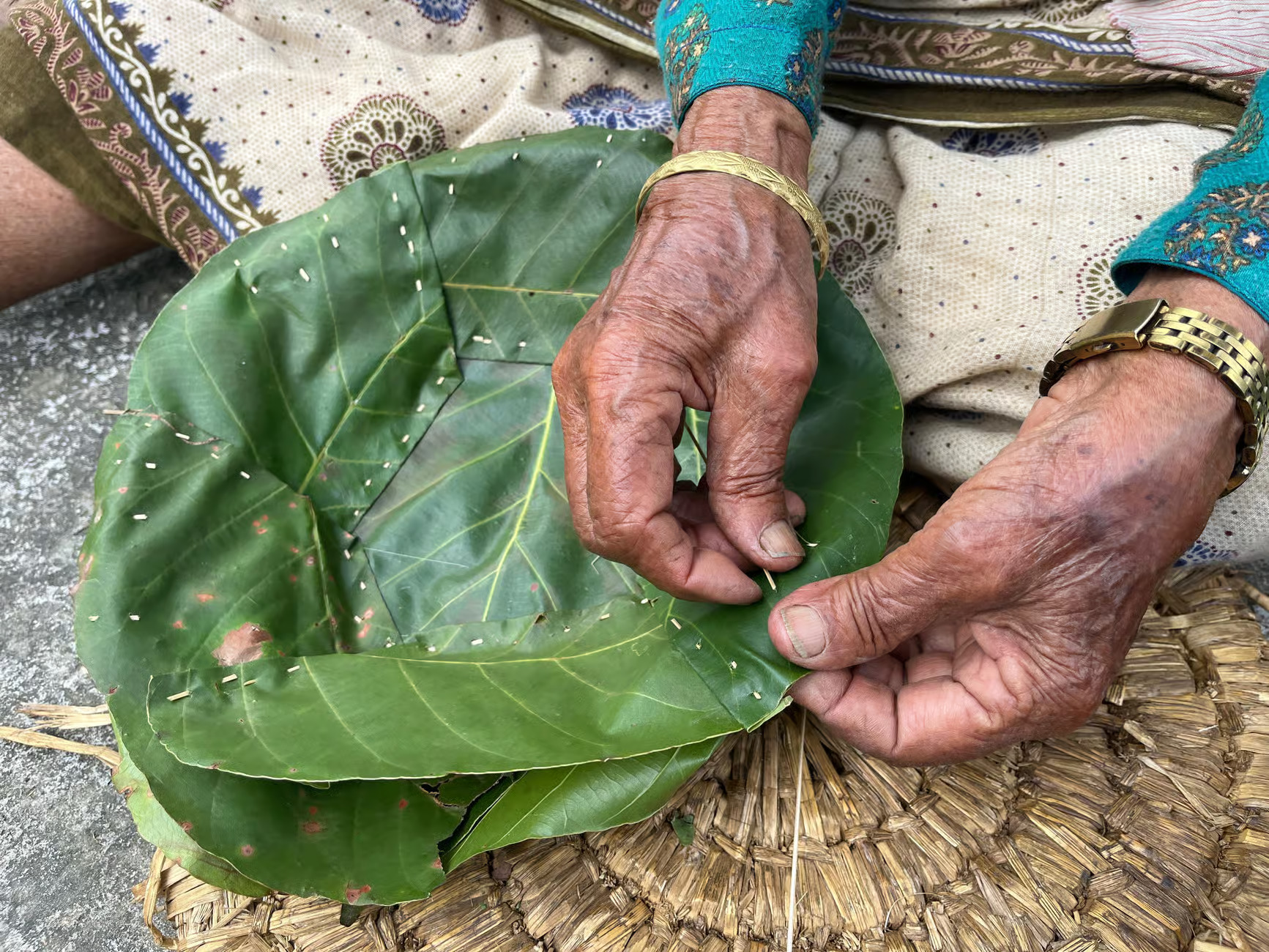
Beyond Boudhanath Stupa: Discovering Buddhist Art, Sound and Spiritual Traditions
Boudhanath is one of Kathmandu’s most important centres of Tibetan Buddhist culture. Beyond the great white stupa, the surrounding neighbourhood is home to monasteries, shops selling religious objects and galleries specialising in Himalayan Buddhist art. Taking time to explore this area reveals a cultural landscape shaped by Buddhist practice, artistic traditions and the daily activities of the community around the stupa.
A visit to a Himalayan art gallery offers a closer look at Thangka paintings and other forms of Buddhist art. These detailed works use traditional imagery, colours and symbolism to represent Buddhist teachings and deities. Learning about the techniques and meanings behind the paintings provides a deeper understanding of Himalayan artistic heritage, whether you are interested in religious art, traditional craftsmanship or the visual culture of Buddhism.
The experience can be complemented by a sound healing session in the Boudhanath area, using Himalayan singing bowls and other resonant instruments in a dedicated session. Unlike a gallery visit, which focuses on visual art and its cultural context, sound healing offers time to slow down and experience sound in a quieter, more contemplative setting. Combining the two creates a different kind of outing around Boudhanath, bringing together Buddhist art and a sound-based wellness experience rather than limiting the visit to the stupa itself.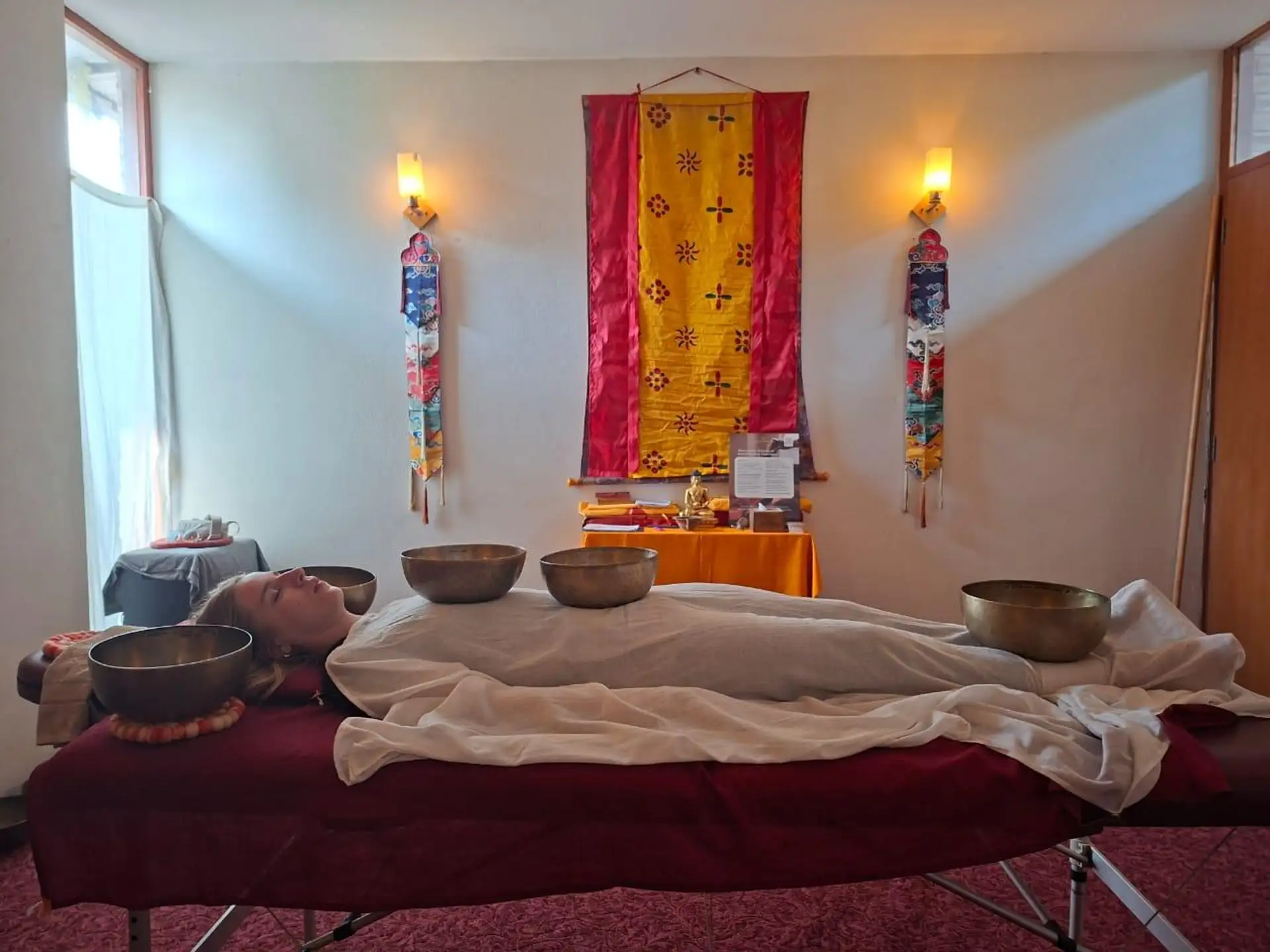
Chasing the Himalayan Sunrise: A Morning Journey from Kathmandu to Nagarkot
For a change of scenery, leave Kathmandu before dawn and travel towards Nagarkot, a hilltop destination known for its Himalayan views. The early start is part of the experience: the city is quieter, the roads are less busy, and the journey gradually moves from the urban landscape towards green hills and terraced farmland. From a suitable viewpoint, the sunrise can reveal layers of mountain ridges and, when the weather is clear, views of the Himalayan range.
The view depends on the season, visibility and weather conditions, so a mountain sunrise can never be guaranteed. On clear mornings, however, the changing light across the hills creates a memorable start to the day. Rather than returning immediately after taking photographs, you can spend more time exploring the surrounding landscape. A walk through nearby villages, along rural paths or towards the Nagarkot area’s suspension bridge can add a more active element to the outing, depending on the route and conditions.
Nagarkot works well as a short morning excursion for those who want to experience the countryside without committing to a multi-day trek. It can also be developed into a longer day with a village walk or a visit to a nearby cultural site. If you are searching for day trips from Kathmandu that combine mountain scenery with an easy escape from the city, Nagarkot offers a practical option, especially for travellers who enjoy starting the day outdoors.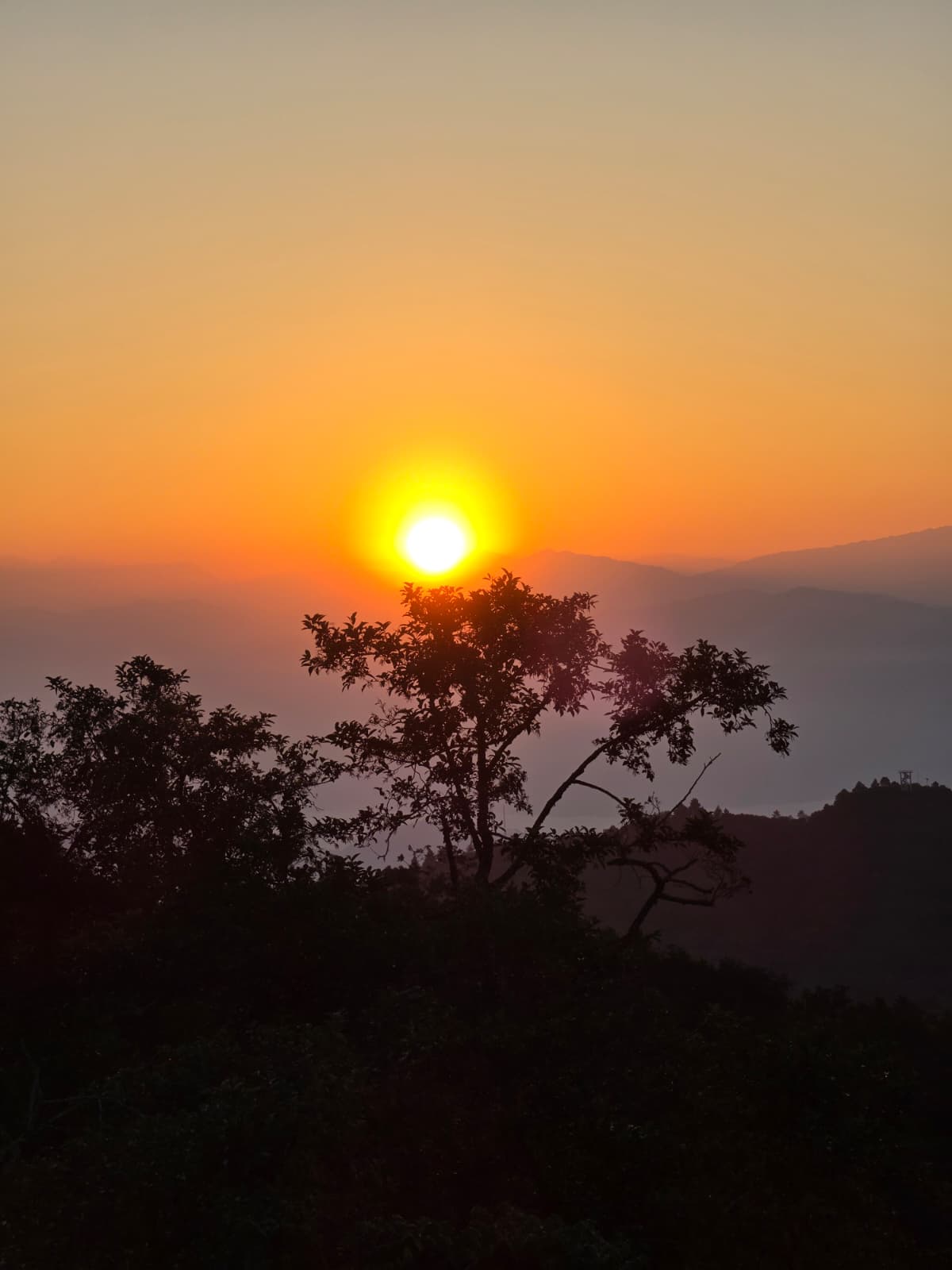
As Evening Falls at Pashupatinath: Experiencing Kathmandu’s Sacred Aarati
Pashupatinath is one of Nepal’s most important Hindu pilgrimage sites, dedicated to Lord Shiva and situated beside the Bagmati River. While many visits focus on the temple complex and its architecture, the evening Aarati offers a different way to experience the site. As daylight fades, priests conduct a devotional fire ritual on the riverbank, using lamps and accompanying the ceremony with chanting, music and other ritual elements.
The atmosphere changes as the ritual unfolds. The movement of the lamps, the sound of devotional singing and the presence of worshippers create a shared religious setting along the river. The ceremony is not simply a performance for visitors; it forms part of an active devotional tradition. Observing respectfully, following local guidance and being mindful of the sacred surroundings are important, particularly because Pashupatinath is also a place of pilgrimage and Hindu funeral rites.
The evening Aarati is a meaningful option for anyone interested in spiritual experiences in Kathmandu or looking for things to do after a day of sightseeing. It can be combined with an earlier visit to another part of the city, although it is worth allowing enough time to reach the complex and find an appropriate place to observe the ceremony. The exact timing can vary with the season and local arrangements, so checking the current schedule before visiting is advisable.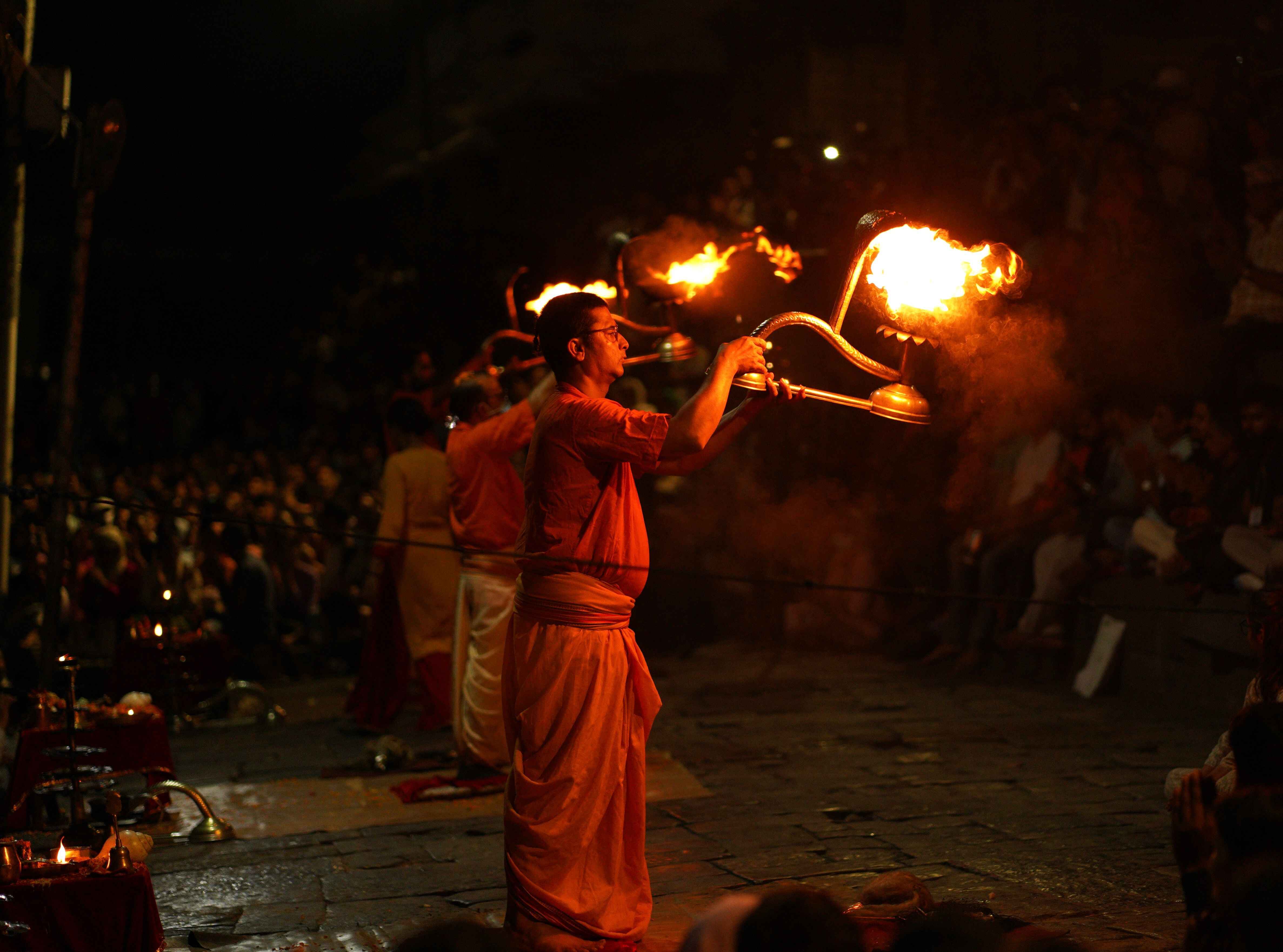
Under Kathmandu’s Autumn Skies: Discovering Nepal’s Kite-Flying Tradition
When Dashain approaches, the skies over Kathmandu and other parts of Nepal often become dotted with colourful kites. Kite flying is closely associated with the festive season, adding a playful and highly visible element to the atmosphere. People gather on rooftops and in open spaces to fly kites, while the activity becomes part of the anticipation surrounding one of Nepal’s major annual festivals.
Flying a kite yourself offers a simple way to take part in this seasonal tradition. It involves more than getting a kite into the air: wind, balance and the handling of the string all affect how well it flies. For someone unfamiliar with the activity, learning the basics can be both entertaining and surprisingly absorbing. It also opens up conversations about Dashain, family gatherings and the seasonal customs that shape everyday life in Nepal during the festival period.
Kite flying is especially suited to an autumn visit around Dashain, although opportunities depend on local conditions and the availability of an appropriate place to fly. Outside the festival season, it may be less straightforward to find the same atmosphere. For travellers interested in Nepal’s festivals and everyday cultural traditions, it offers a lighter alternative to a museum or monument visit and a chance to experience Kathmandu through an activity that many people associate with the festive season.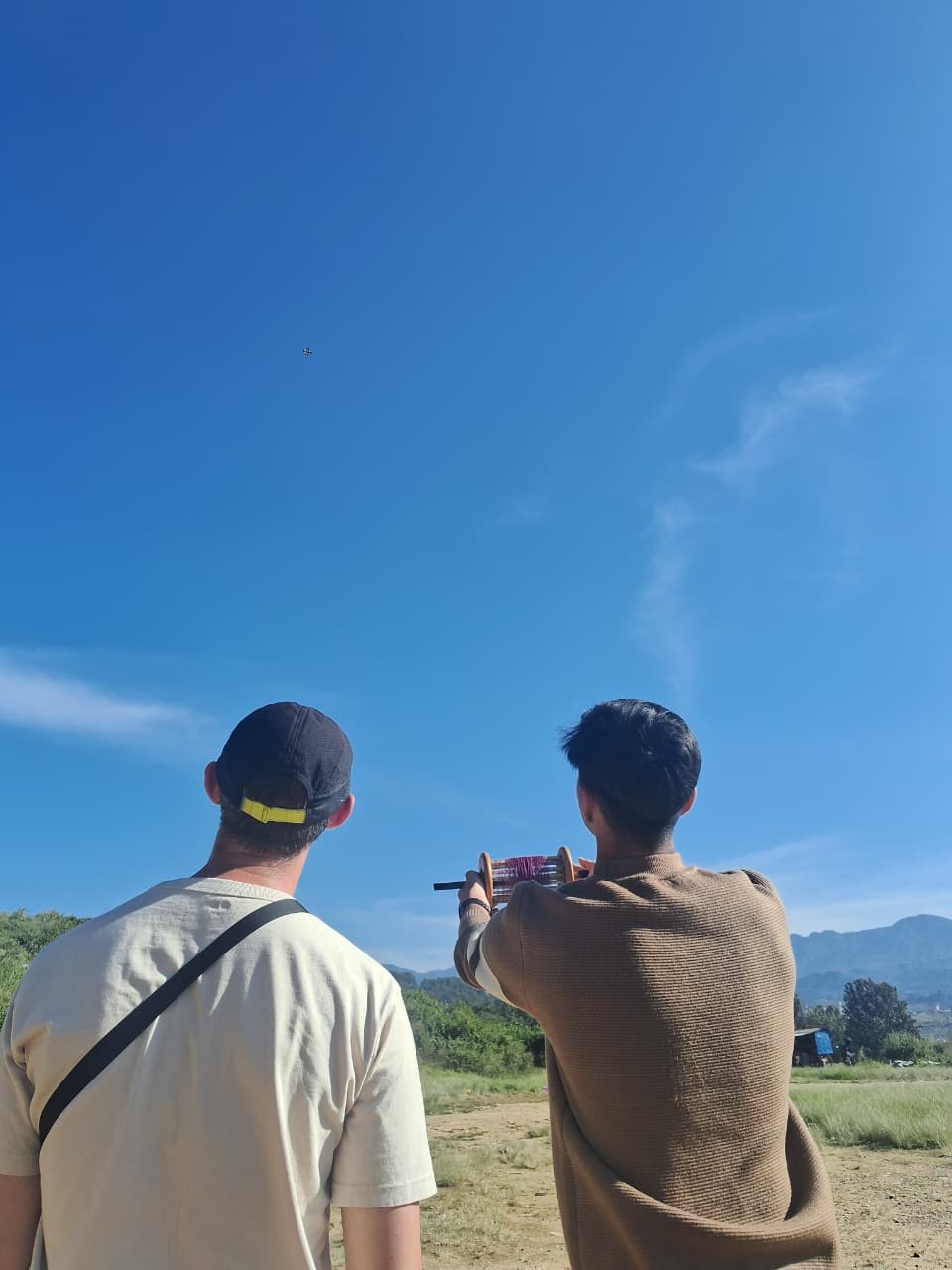
Discover a Different Side of Kathmandu
Kathmandu’s well-known heritage sites provide an essential introduction to the history and religious traditions of the Valley, but they are only one part of what the region has to offer. Traditional music, pottery, incense making, leaf-plate crafting, home cooking, Buddhist art, sound experiences, mountain sunrises and seasonal kite flying each reveal a different aspect of local life.
The best choice depends on the kind of day you want to have. A cultural outing might combine Bhaktapur’s pottery and food traditions, while a quieter day could centre on Boudhanath, Himalayan art and sound. An early start to Nagarkot offers a change of landscape, while an evening at Pashupatinath provides an opportunity to observe an important living religious ritual. Some activities fit into a few hours; others become more rewarding when paired with a walk, a meal or a visit to a nearby site.
If you are planning a visit and wondering what to do in Kathmandu beyond the usual attractions, consider choosing an experience that lets you participate rather than simply observe. Meeting a musician, shaping clay, learning a traditional craft or sharing a meal can bring you closer to the culture of the Kathmandu Valley in ways that a sightseeing checklist often cannot. These are the kinds of experiences that turn a free day into a more personal discovery of Nepal.
Experience Kathmandu Differently
Frequently Asked Questions
1. What are some unique things to do in Kathmandu beyond sightseeing?
You can experience Nepali folk music, try traditional pottery making, learn how incense is made, join a Nepali home-cooking experience, explore Buddhist art, enjoy a sound healing session near Boudhanath or watch the sunrise from Nagarkot.