Blog Details
01Nov
Is Horseback Riding in Upper Mustang Suitable for Beginners? What to Know Before You Book
Horseback riding through Upper Mustang is a very different experience from a short recreational ride or a few hours at a riding centre. The journey takes place in a high-altitude Himalayan landscape, where trails pass through dry valleys, rocky terrain, traditional settlements and remote mountain communities. For someone who has never ridden a horse before, the idea of joining a multi-day expedition can naturally raise questions: Do you need previous riding experience? Will you be comfortable on the horse? How demanding are the trails, and what should you know before setting out?
The good news is that previous horse-riding experience is not necessarily the only factor that determines whether someone can participate. Your comfort around horses, physical fitness, ability to follow instructions and willingness to adapt to mountain conditions all matter. However, Upper Mustang should not be approached as an easy beginner riding holiday. It is a demanding mountain journey, and spending several consecutive days on horseback brings challenges that are quite different from those of a short introductory ride.
Understanding the horses, the terrain, the role of the horsemen and the physical demands of the expedition can help you decide whether this experience is right for you. If you are considering one of the best horse riding adventures in the Himalayas, here is what to know before booking a horseback journey through Upper Mustang.
Can Beginners Really Go Horseback Riding in Upper Mustang?
The possibility of joining an Upper Mustang horse trek as a beginner depends on more than whether you have ridden a horse before. Some people with little riding experience may feel comfortable learning the basics and adapting to the horse over time. Others may find the combination of unfamiliar animals, long riding days, uneven trails and high altitude considerably more challenging. There is no single answer that applies to every first-time rider.
It is important to understand that this is not a short riding activity on a flat, prepared track. Upper Mustang involves travelling through a mountain environment where the trail conditions change along the way. You may encounter rocky ground, uneven surfaces, uphill and downhill sections, and paths where the horse needs to move carefully. The experience also involves spending extended periods around the horse, including preparing for the day's ride, mounting and dismounting, and following the instructions of the people managing the expedition.
A beginner who is comfortable around horses, reasonably fit and willing to listen carefully to the horseman's instructions may be better prepared than someone who has ridden occasionally but is uncomfortable with mountain conditions. Before confirming a booking, be open about your actual riding experience and physical condition with the expedition operator. This allows the team to discuss the demands of the route and assess whether the journey is an appropriate choice. The aim is not to discourage first-time riders, but to make sure expectations match the reality of a multi-day Himalayan horse trek.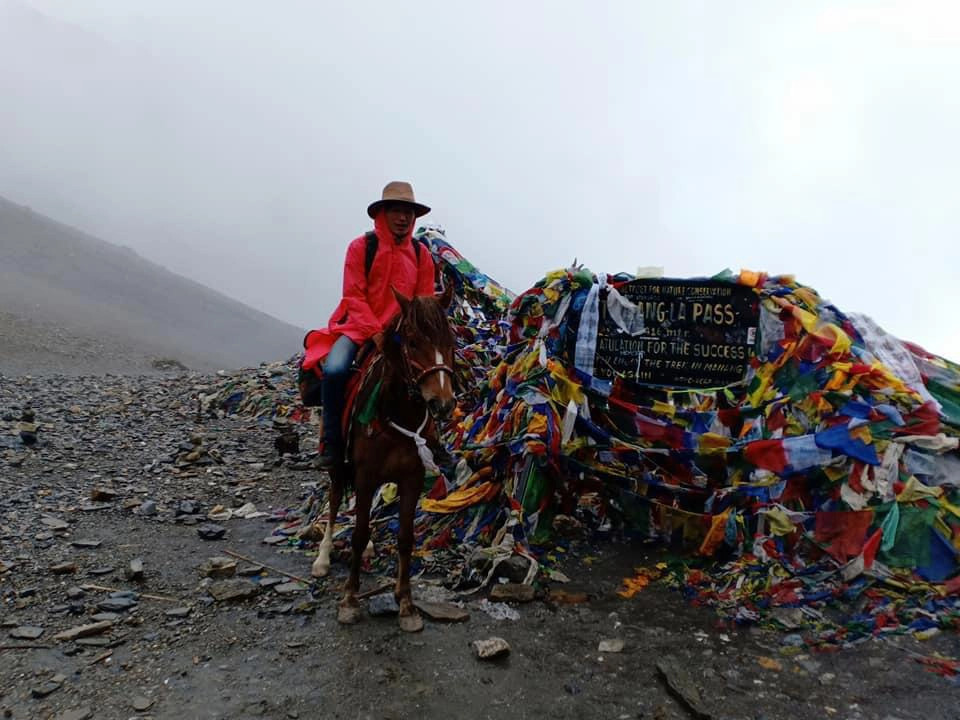
Do You Need Previous Horse-Riding Experience?
Previous riding experience is useful, but it is important to distinguish between having ridden a horse a few times and being comfortable riding for several consecutive days. A short recreational ride may introduce you to the basic movement of a horse, but it does not necessarily prepare you for a long mountain expedition. Riding in Upper Mustang requires patience, balance and the ability to remain attentive as the trail changes.
If you have never ridden before, learning a few fundamentals before the journey can make the experience less unfamiliar. Understanding how to mount and dismount, sit in a balanced position, hold the reins correctly and respond to basic instructions can provide a useful foundation. If you have access to a riding school or experienced instructor before travelling, a few practice sessions can help you become more comfortable around horses and understand their movement. You do not need to become an advanced rider, but having some familiarity with the animal can make the first days easier to approach.
For those who have ridden occasionally, the main adjustment may be the duration and environment rather than the basic activity itself. A mountain trek is not about riding fast or performing advanced equestrian movements. It is about maintaining a comfortable position, staying attentive and allowing the horse to move at a suitable pace for the terrain. Whatever your experience level, be honest about it when booking. Previous experience should never be exaggerated, as the expedition team needs a realistic understanding of your ability to help determine whether the journey is suitable.
What Is Horseback Riding in Upper Mustang Actually Like?
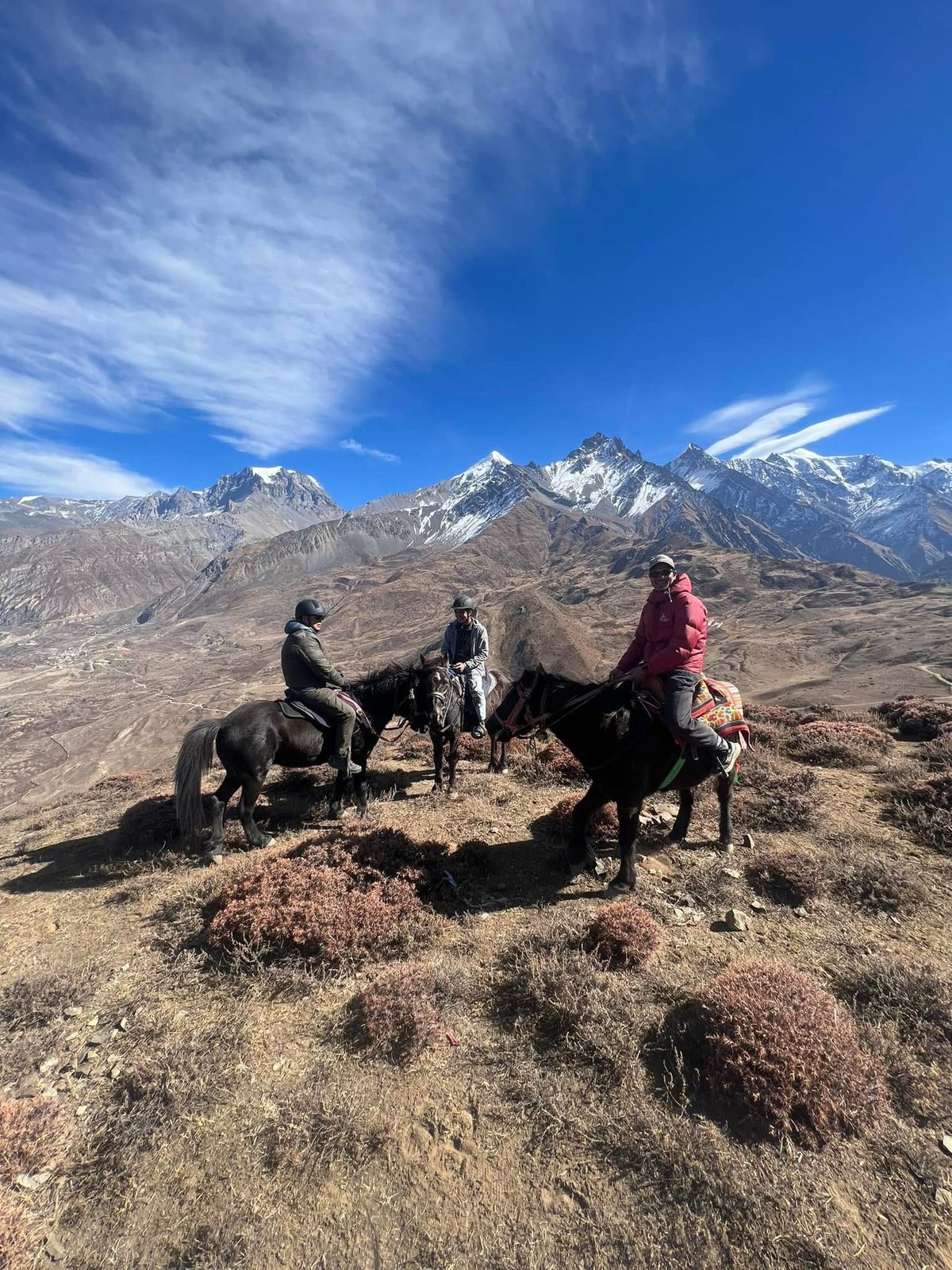
The riding experience in Upper Mustang is shaped by the region's distinctive Trans-Himalayan geography. Located north of the main Himalayan range, the area is known for its dry valleys, open plateaus, dramatic cliffs and barren mountain slopes. The trail passes through a landscape that looks very different from the green hills and forested routes commonly associated with Nepal. Settlements and cultivated fields appear along the valleys, while the surrounding mountains create a striking backdrop throughout the journey.
Riding conditions vary according to the section of the route. Some stretches may offer relatively open and manageable ground, while others involve rocky paths, uneven surfaces, gradual climbs or descents. The horse needs to adjust its footing to the terrain, so the pace is generally determined by the conditions rather than by how quickly the rider wishes to travel. This is one of the most important differences between mountain horseback trekking and riding in a controlled environment. You need to remain attentive, follow the horseman's guidance and understand that careful movement is more important than speed.
The journey also takes you through places that give Upper Mustang its distinctive cultural character. Depending on the itinerary, the route can include settlements such as Kagbeni, Chhusang, Samar, Ghami, Tsarang and Lo Manthang. These villages are connected by historic trails and surrounded by landscapes that reveal the region's long-standing relationship with Tibet and the wider Himalayan trade network. Approaching these places on horseback creates a different sense of travelling through the region. Rather than simply reaching a destination by vehicle, you experience the changing terrain and the distances between settlements as part of the journey. This combination of mountain riding, cultural landscapes and remote trails is what makes Upper Mustang a compelling candidate for one of the best horse riding adventures in the world.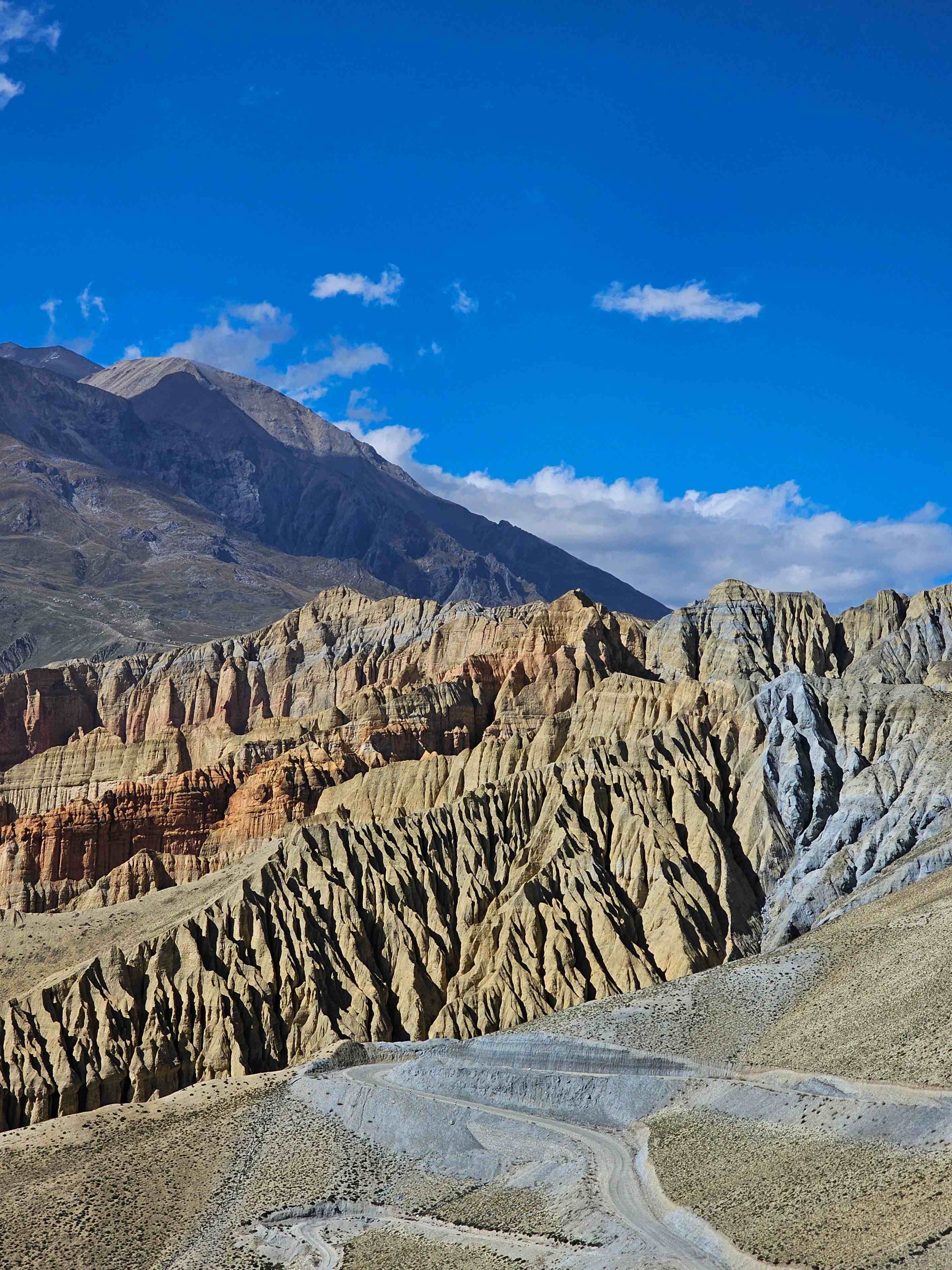
Understanding the Mustang Horses: Are They Suitable for Beginners?
The horses are an essential part of the Upper Mustang experience. Known as Mustang horses, they are also commonly described as Tibetan ponies. They are relatively small in stature, generally standing around 130–140 cm tall, but their size should not be mistaken for a lack of strength. These horses are associated with the mountain environment and are valued for their ability to work across challenging terrain. Their compact build and experience in the region make them an important part of traditional travel and transportation in Mustang.
Their characteristics are different from those of many larger riding horses familiar to people from other parts of the world. A Mustang horse is generally more compact, and the experience of riding one may feel different from riding a taller horse. The horses are accustomed to the local mountain environment, but this does not mean every horse will automatically suit every rider. Temperament, the horse's condition, the rider's size and experience, and the demands of the day's route all matter. A suitable horse should be selected with the rider and the journey in mind, rather than on size alone.
The traditional equipment is another distinctive part of the experience. Mustang horses are ridden using a traditional Tibetan harness, reflecting the region's long-standing horse culture and its connections with the Tibetan plateau. The rider weight limit for the expedition is 70–75 kg (154–165 lbs), and this needs to be respected when considering whether to book. It is also worth remembering that a horse's suitability is not determined by weight alone. Comfort, balance and the ability to follow instructions are important considerations. If you are unsure whether you meet the requirements or whether you will be comfortable on a Mustang horse, discuss this with the operator before confirming your place.
What Role Do Local Horsemen Play During the Expedition?
Horsemen are central to the practical side of a horseback journey through Upper Mustang. Their work involves much more than leading a horse along a trail. They bring familiarity with the animals and the mountain environment, helping manage the horses and supporting the riding group as the journey progresses. Their understanding of the horses' behaviour and the conditions along the route is particularly valuable when travelling across unfamiliar terrain.
During the riding days, horsemen provide guidance on how to approach different sections of the trail and how to respond to the horse's movement. They can explain when to slow down, how to maintain an appropriate position and what to be aware of as the ground changes. This guidance is especially helpful for riders who are unfamiliar with mountain riding. However, riders still need to remain attentive and follow instructions. Having an experienced horseman with the group does not remove the need for individual awareness or guarantee that every section will feel easy.
The horsemen's responsibilities also extend to the horses themselves. Managing the animals, paying attention to their condition and ensuring they are cared for throughout the journey are important parts of a multi-day expedition. Their knowledge helps the group work with the horses rather than treating them simply as transport. For a rider, this creates an opportunity to understand more about the practical relationship between people and horses in Mustang, where these animals have long been part of life in the mountain communities.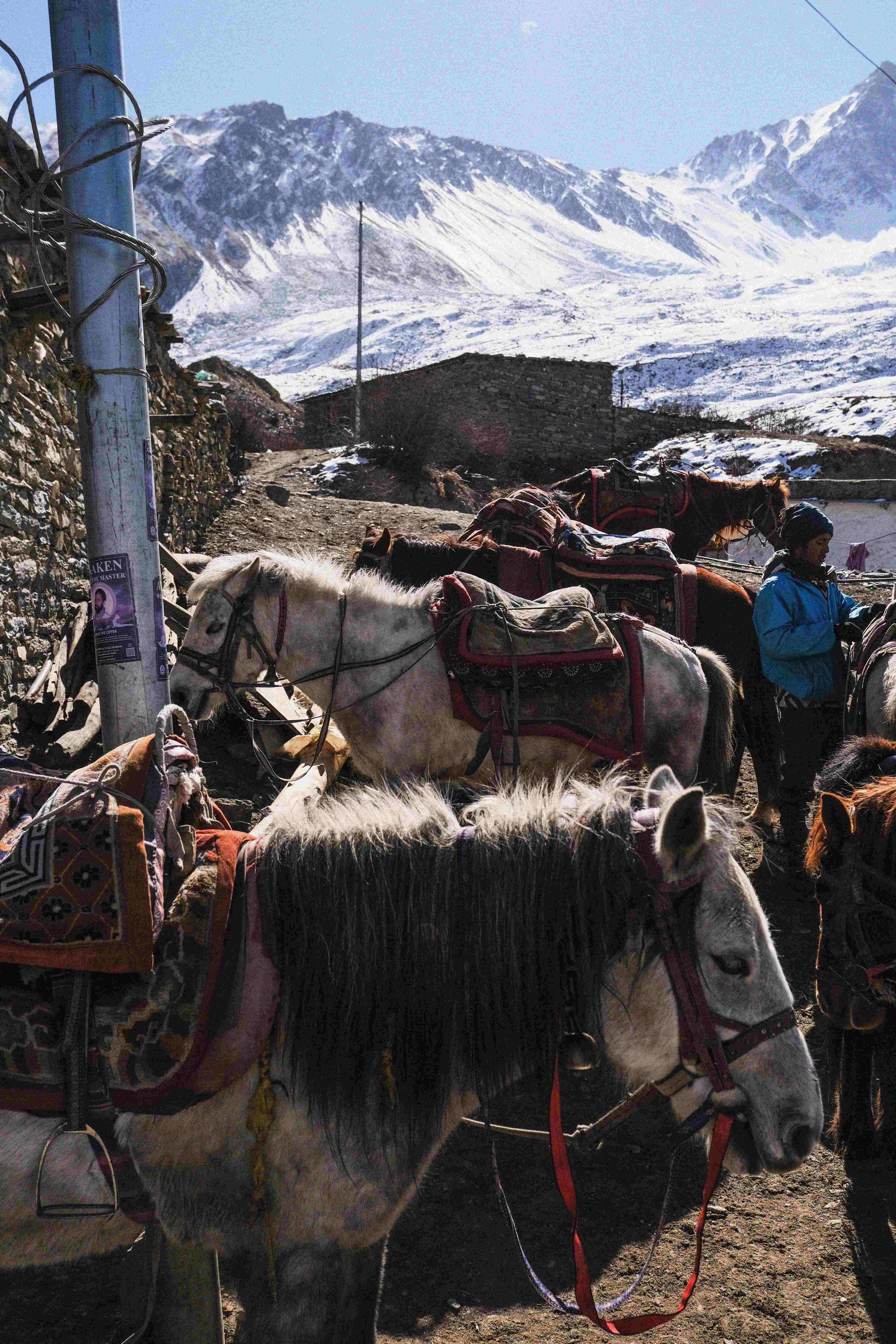
How Difficult Is a Multi-Day Horse Trek?
The difficulty of an Upper Mustang horse trek comes from the combination of riding time, terrain, altitude and the number of consecutive days spent travelling. Even when you are not walking throughout the day, remaining on horseback for extended periods requires physical effort. Your legs, hips, back and core muscles are involved in maintaining balance and adapting to the horse's movement. Riders who are not accustomed to spending time in the saddle may experience soreness or fatigue, particularly during the first few days.
The terrain adds another layer of difficulty. Riding across rocky paths and uneven ground requires concentration, while climbs and descents can feel different from riding on level surfaces. You need to be prepared for changes in pace and for sections where the horse moves slowly and carefully. It is not an experience where you can simply relax and ignore the trail. Maintaining a comfortable posture, following guidance and recognising when you are becoming tired are all important parts of the ride.
Altitude is another factor that should not be underestimated. Upper Mustang is a high-altitude destination, and the journey can reach elevations where the body needs time to adjust. Riding a horse does not prevent altitude-related discomfort or remove the physical demands of travelling in the mountains. Reasonable fitness, appropriate acclimatisation and awareness of how you are feeling are important. Anyone with concerns about their ability to manage high altitude should seek appropriate medical advice before the trip. A successful journey depends not only on riding ability, but also on being prepared for the wider demands of mountain travel.
What Should You Learn Before Joining a Horse Trek?
You do not need to master advanced riding techniques before joining an expedition, but becoming familiar with a few basic skills can make a significant difference. Start with mounting and dismounting, as these are repeated throughout a multi-day journey. Learning how to sit comfortably and maintain a balanced position will also help you adapt to the horse's movement. If you have the opportunity to practise with an instructor before travelling, use that time to become familiar with the basic experience of being on horseback.
It is also useful to understand how to hold and use the reins, how to respond to simple instructions and how to remain calm around the horse. Avoid making sudden movements or trying to control the animal without guidance. Horses respond to their surroundings and to the people handling them, so it is important to listen to the horseman and follow the instructions given during the ride. If something feels uncomfortable or you are unsure what to do, communicate rather than attempting to manage the situation independently.
Preparation should also include learning about the realities of mountain riding. You may need to adjust your position as the horse moves across different surfaces, and you should be comfortable with a slower, more careful pace on difficult sections. It is equally important to understand that dismounting, walking beside the horse or changing the riding arrangement should only be done according to the guidance of the expedition team and the conditions on the trail. The more familiar you are with the basics before departure, the more attention you can give to the landscape and the overall experience once the journey begins.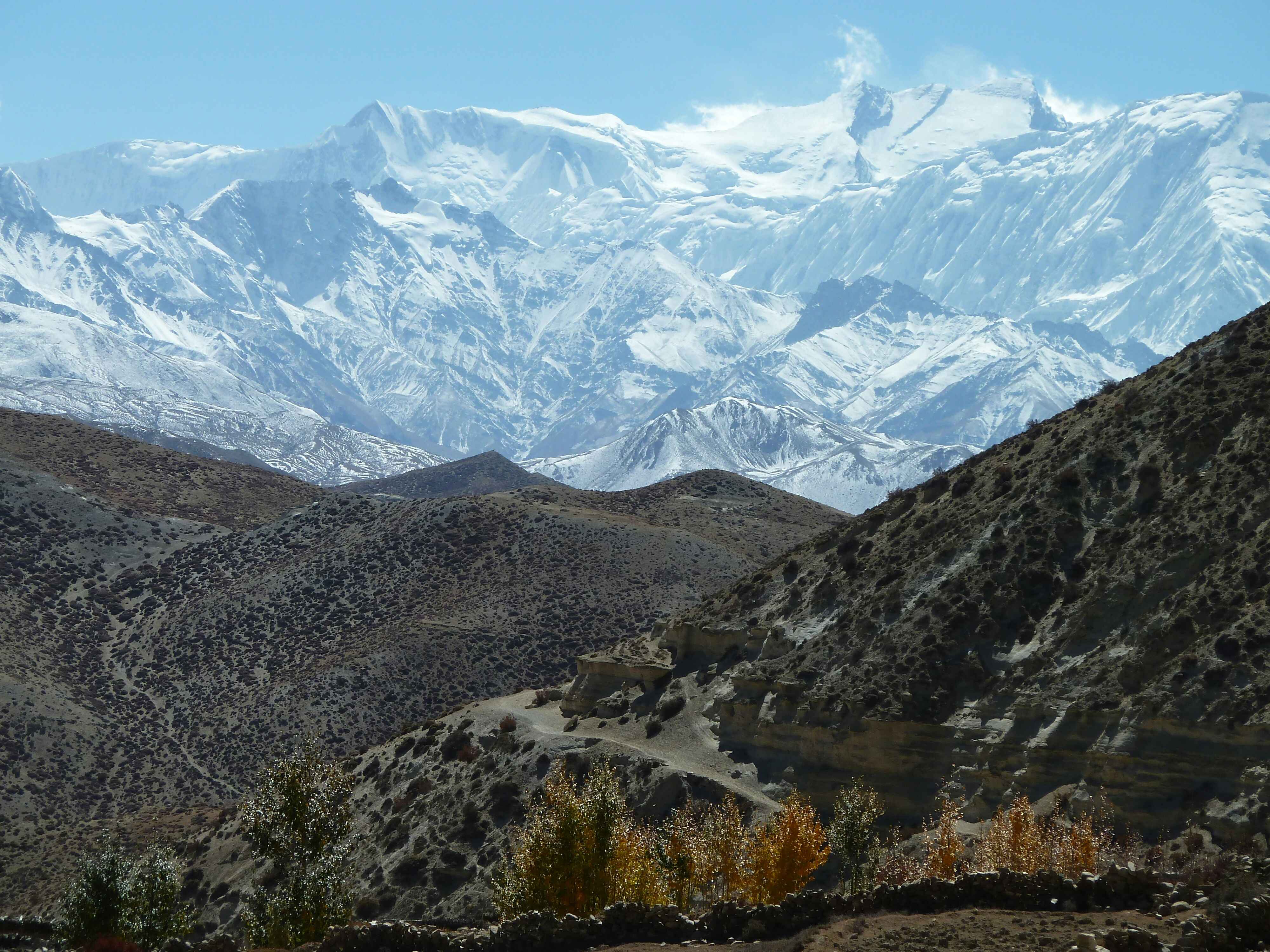
What Should You Wear and Pack for Horseback Riding in Mustang?
The right clothing can make long hours on horseback considerably more comfortable. Choose trousers that allow you to move freely and do not create excessive friction while riding. Comfortable, practical clothing is more useful than dressing specifically for appearance. Avoid garments with rough seams or materials that may become uncomfortable after several hours in the saddle. A suitable pair of gloves can also help protect your hands and improve comfort while holding the reins.
Footwear should be comfortable, secure and appropriate for a mountain environment. Choose shoes or boots that provide good support and are suitable for walking on uneven ground when necessary. You should also bring warm layers, as temperatures can change considerably between sunny daytime conditions and colder mornings or evenings. A wind-resistant outer layer can be useful in Mustang's exposed landscapes. Sunglasses, sunscreen and a hat are important because the high-altitude sun can feel intense, even when the air is cool.
Your personal packing list should also include any medication you normally need, basic personal care items and the equipment recommended by the expedition operator. Keep essential items accessible rather than packing everything deep inside your main luggage. Before departure, confirm which equipment is provided, what luggage arrangements are available and whether there are any specific clothing recommendations for the route. Packing for Upper Mustang means preparing for both horseback riding and high-altitude travel, so comfort, protection and practicality should guide your choices.
Ready to experience the Himalayas on horseback?
Frequently Asked Questions
1. Can I go horseback riding in Upper Mustang if I have never ridden a horse before?
It may be possible, but it depends on your comfort around horses, physical condition and ability to follow instructions. Upper Mustang is a multi-day mountain expedition rather than a short introductory ride. Discuss your lack of experience with the operator before booking so the demands of the route can be assessed against your abilities.