Blog Details
11Oct
Discovering Kathmandu Through Its Food, Markets & Local Life
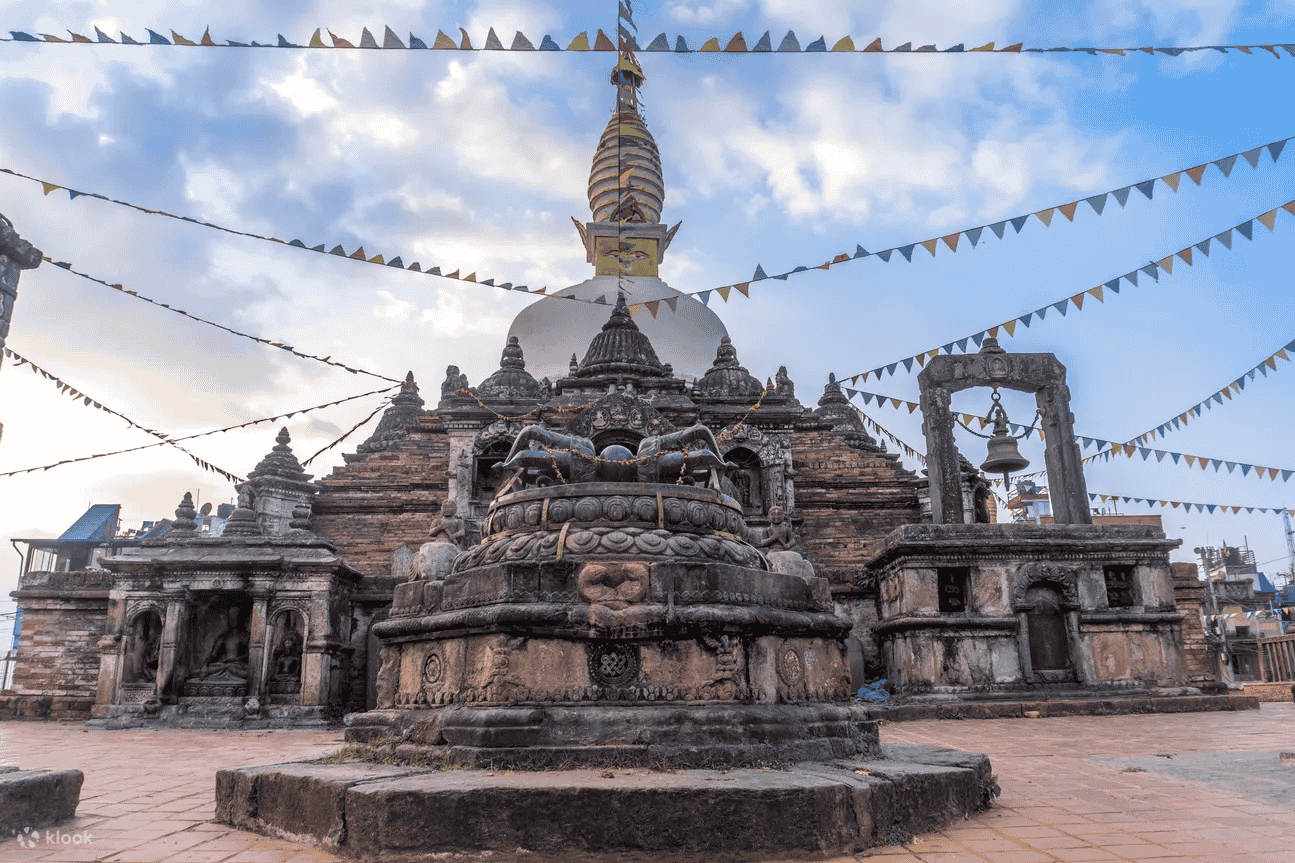
Kathmandu is often introduced through its temples, stupas and historic squares, but the city's character extends far beyond its famous landmarks. Its traditional markets, neighbourhood eateries, busy streets and community gathering places offer another way to understand the capital. For travellers looking for things to do in Kathmandu beyond the usual sightseeing route, exploring local food and everyday life provides a closer look at the traditions and routines that shape the city.
Food and markets are particularly revealing because they connect visitors with the daily activities of local residents. From the ingredients displayed in traditional bazaars to the dishes prepared in small eateries, these experiences show how culinary traditions continue to influence life in the Kathmandu Valley. They also introduce visitors to the people who maintain these traditions through their work, family practices and community relationships.
Discovering Kathmandu through its food, markets and local life is therefore about more than finding somewhere to eat or shop. It is an opportunity to understand the city through its flavours, neighbourhoods and everyday encounters, revealing a side of Kathmandu that can easily be overlooked when a visit focuses only on its best-known attractions.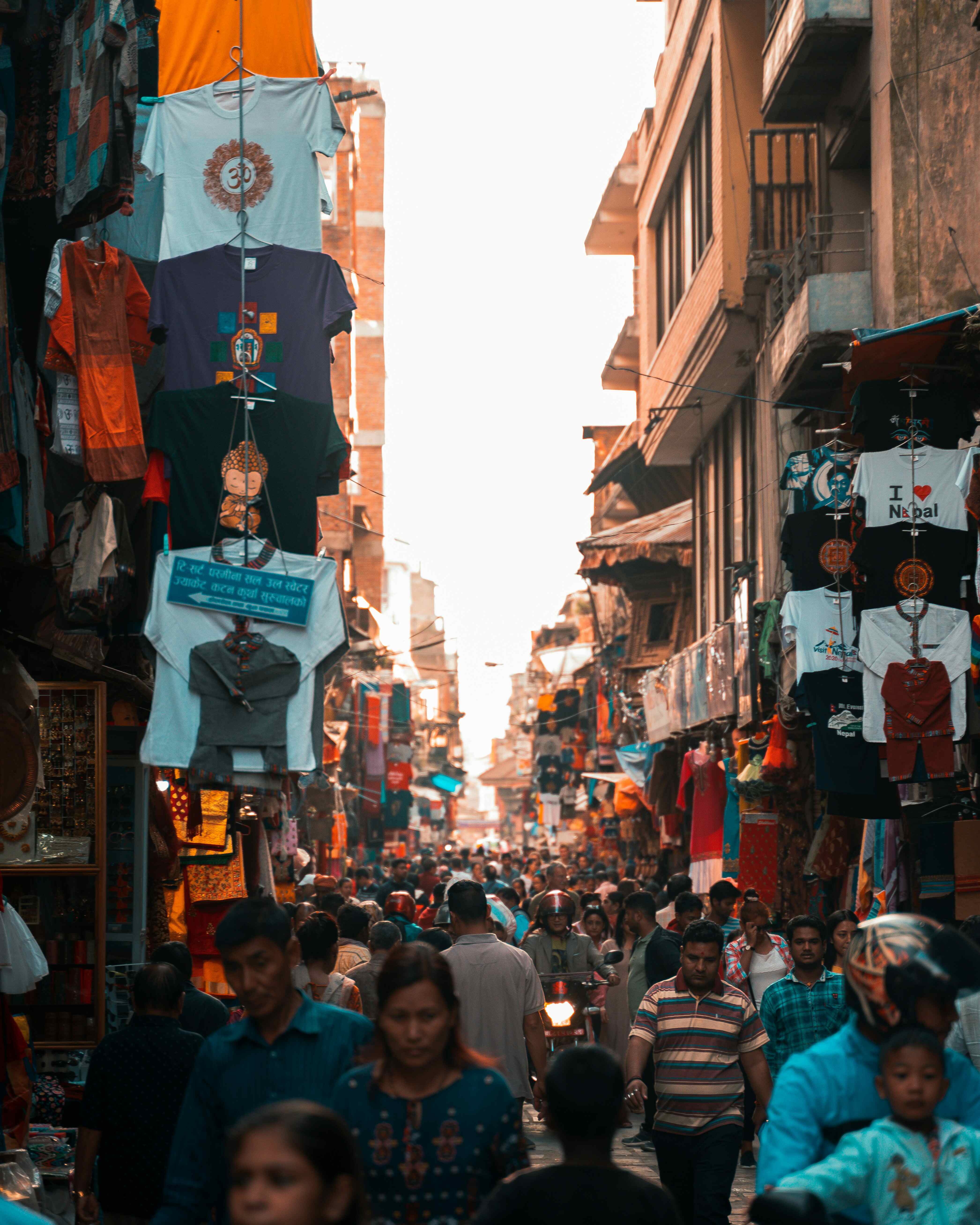
Kathmandu Beyond the Famous Landmarks
Kathmandu's cultural identity is not found only in its monuments. It is also present in the daily activities of shopkeepers, market vendors, cooks and residents who bring the city to life. Early in the morning, shopkeepers open their businesses, vendors arrange fresh produce, and people stop at local eateries before continuing with their day. These ordinary routines offer a glimpse into the life of a city where traditional practices and modern urban activity exist side by side.
Exploring beyond the famous landmarks allows travellers to see how heritage remains part of everyday life. Small shrines beside shops, traditional courtyards and streets filled with local businesses show how religious traditions, commerce and community life often overlap. In older neighbourhoods, historic buildings continue to serve practical purposes, while familiar food traditions remain part of daily meals and special occasions.
For visitors searching for unique things to do in Kathmandu, these everyday experiences provide a different perspective on the capital. Instead of moving only between major attractions, travellers can spend time observing the streets, exploring local businesses and discovering the places where residents shop, eat and gather. This approach reveals a more personal side of Kathmandu, one shaped by the people who live and work there.
Exploring Kathmandu's Traditional Markets and Local Bazaars
Traditional markets are among the best places to experience everyday life in Kathmandu. Asan Bazaar is one of the city's most distinctive historic market areas, with shops selling spices, grains, vegetables, household goods and other everyday essentials. Its busy streets and the Annapurna Temple at the centre of the market reflect the close relationship between commerce and religious life in the old city. The variety of goods also provides an introduction to the ingredients and products used in local households.
Nearby Indra Chowk offers another glimpse into Kathmandu's historic trading culture. Its shops and surrounding lanes form part of the commercial network of the old city, where different types of goods are sold in close proximity. Walking between Asan and Indra Chowk allows visitors to notice the changing atmosphere of the streets, from crowded market corners to smaller shops and traditional businesses. These areas remain important places for shopping and everyday transactions rather than serving exclusively as tourist attractions.
Kathmandu's traditional bazaars offer more than places to shop. As you walk through Asan and Indra Chowk, you can see how goods are arranged, discover ingredients used in local cooking and observe the daily exchanges between vendors and shoppers. These markets remain an important part of the city's commercial and social life, reflecting the close connections between food, trade and community traditions.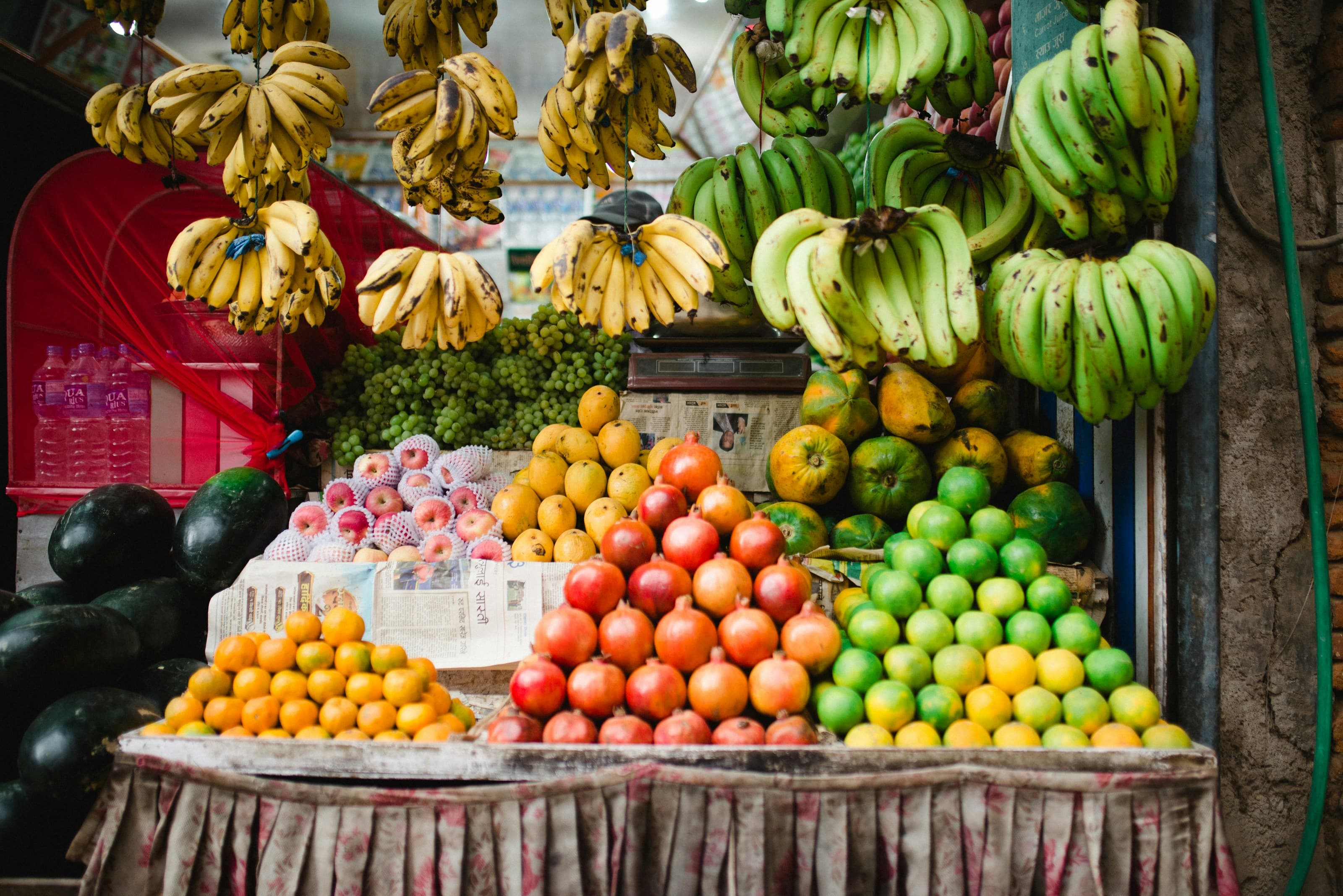
Discovering Newari Food and Kathmandu's Traditional Flavours
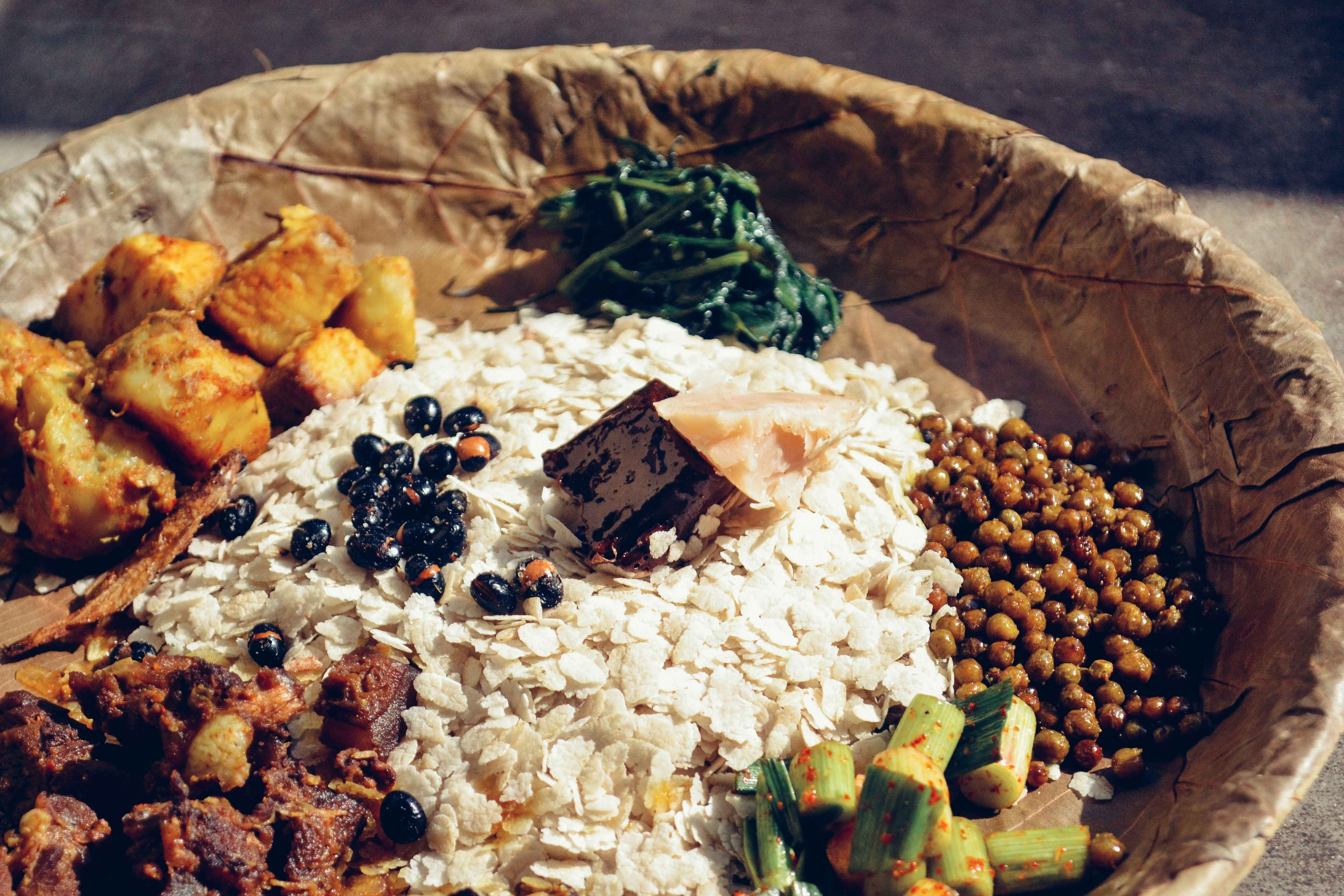
Food is an important part of Kathmandu's cultural identity, particularly the culinary traditions of the Newar community. Newari cuisine includes a wide variety of dishes prepared for everyday meals, family gatherings, festivals and religious occasions. Samay baji, bara, chatamari, choila and yomari are among the well-known preparations that introduce visitors to the distinctive flavours and techniques of this food tradition. Together, they demonstrate how ingredients such as beaten rice, lentils, spices and rice flour are used in different ways.
Kathmandu's traditional food culture offers plenty to discover, with Newari cuisine featuring dishes such as samay baji, bara, chatamari and choila. Samay baji is a traditional platter that may include beaten rice, choila, fried soybeans, bara, ginger and achar. Bara is a savoury lentil patty, while chatamari is a rice-flour crepe prepared with different toppings. Choila, a spiced grilled meat preparation, adds another distinctive flavour to the city's culinary traditions.
Yomari offers a sweeter introduction to Newari food in Kathmandu. This steamed rice-flour dumpling is commonly filled with chaku, a type of molasses, or khuwa, a milk-based filling, and is particularly associated with Yomari Punhi. Trying these dishes provides more than a culinary experience because many are connected with specific occasions, family traditions and community celebrations. For visitors interested in traditional Nepali food in Kathmandu, Newari cuisine offers a valuable way to understand the cultural heritage of the Kathmandu Valley.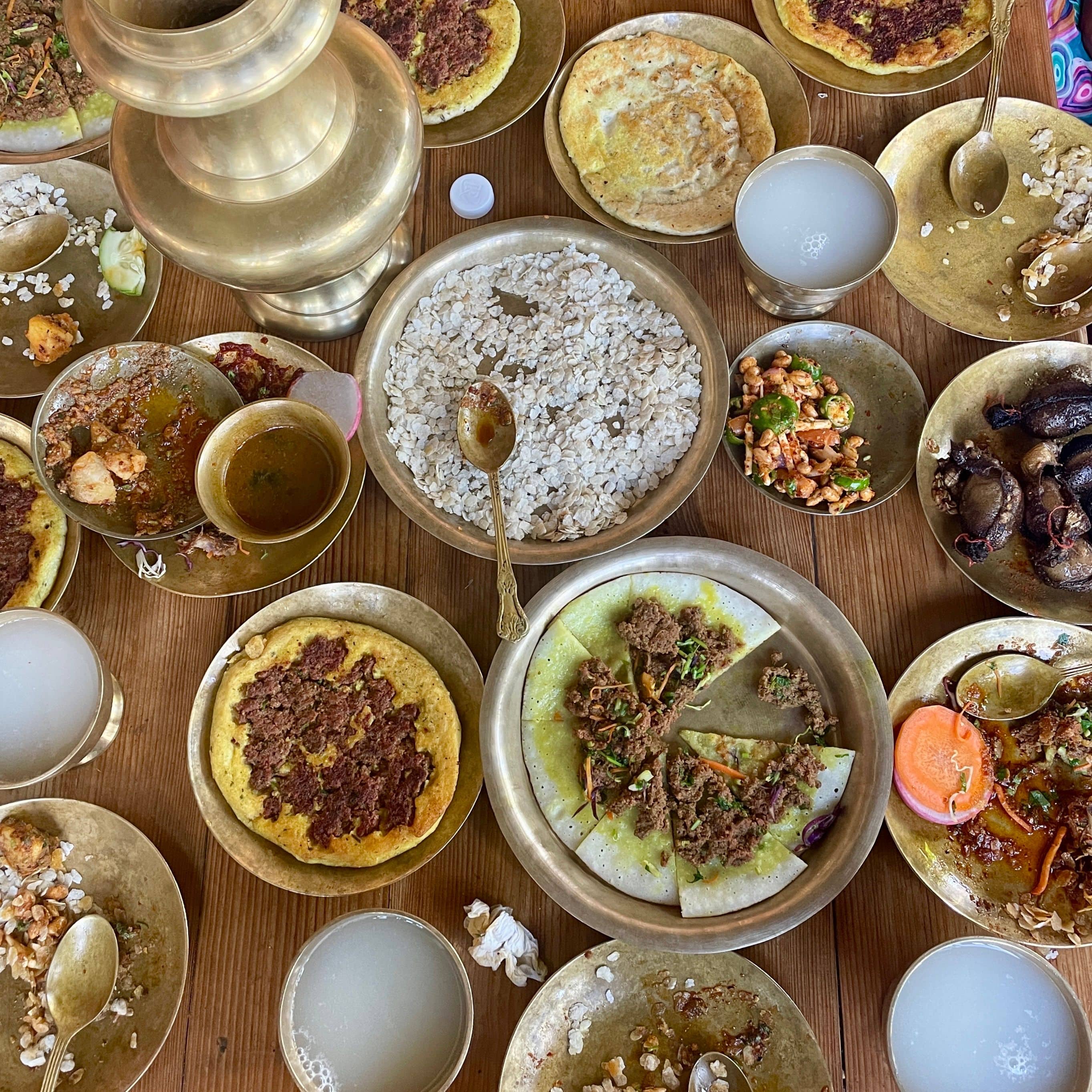
Street Food, Small Eateries and Everyday Eating Habits
Kathmandu's food culture also thrives in small eateries, street-side stalls and neighbourhood snack shops. Momo is among the city's most familiar favourites, while samosas, sel roti, chow mein and other snacks are available in different parts of the capital. Small establishments often serve people who live or work nearby, making them useful places to observe everyday eating habits. Rather than formal dining experiences, these are often quick stops during a working day or casual places to meet friends.
Local tea shops are another important part of the city's food culture. A cup of chiya, or Nepali milk tea, may accompany a simple breakfast, a short break from work or a conversation with friends. Some shops serve snacks alongside tea, while small eateries prepare filling meals for customers throughout the day. The atmosphere changes with the time: morning stalls may be busy with commuters, while neighbourhood restaurants often become more active around lunchtime and in the evening.
Exploring small eateries and street-side stalls is a great way to discover freshly prepared snacks and everyday local flavours. Trying popular dishes, asking vendors for recommendations and noticing what local customers order can introduce you to foods you might not find on a typical restaurant menu. Choosing places where food is freshly prepared and handled hygienically is also important when sampling unfamiliar dishes. These simple food experiences offer a glimpse into the role eating plays in daily life.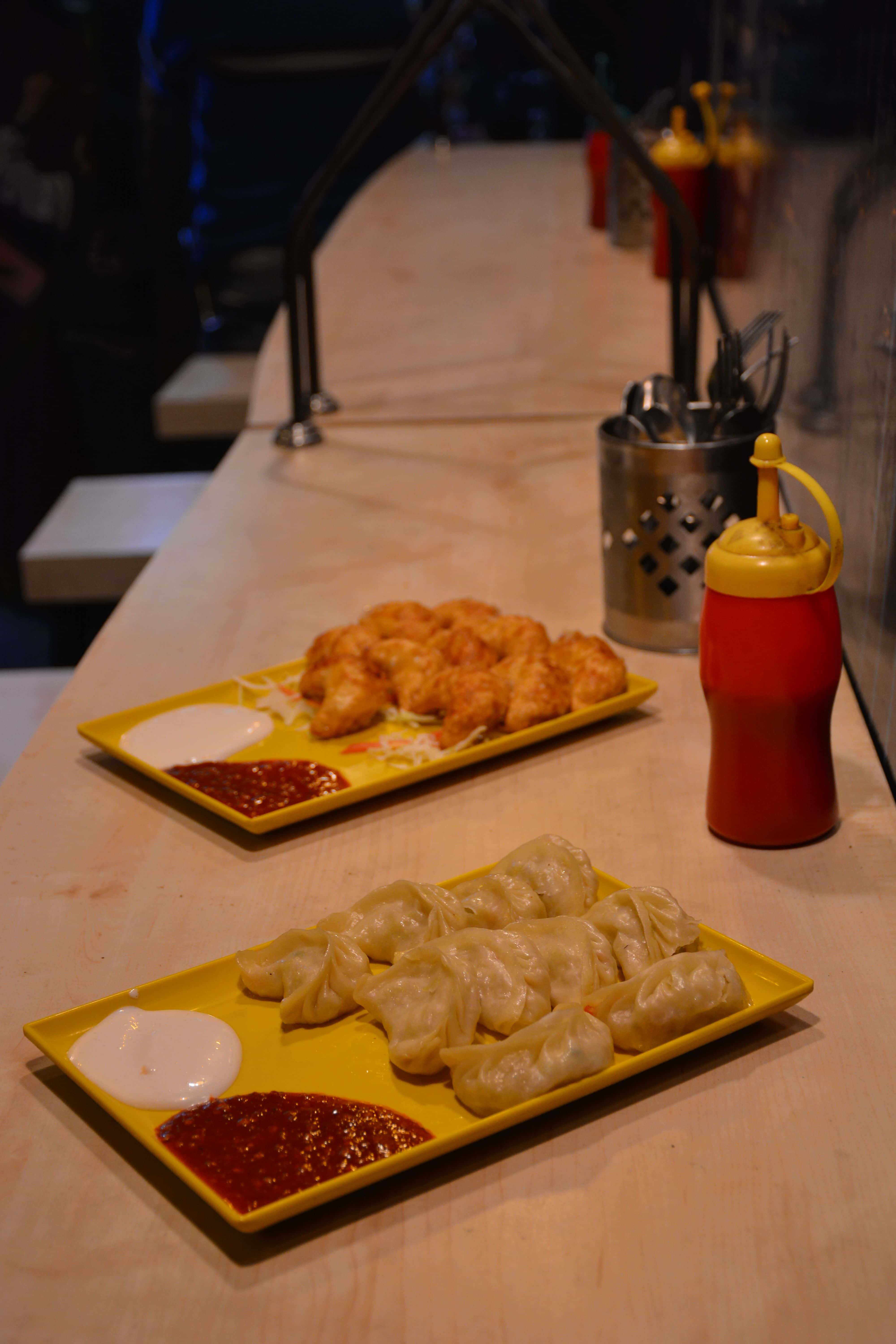
Tea Shops, Courtyards and Community Gathering Places
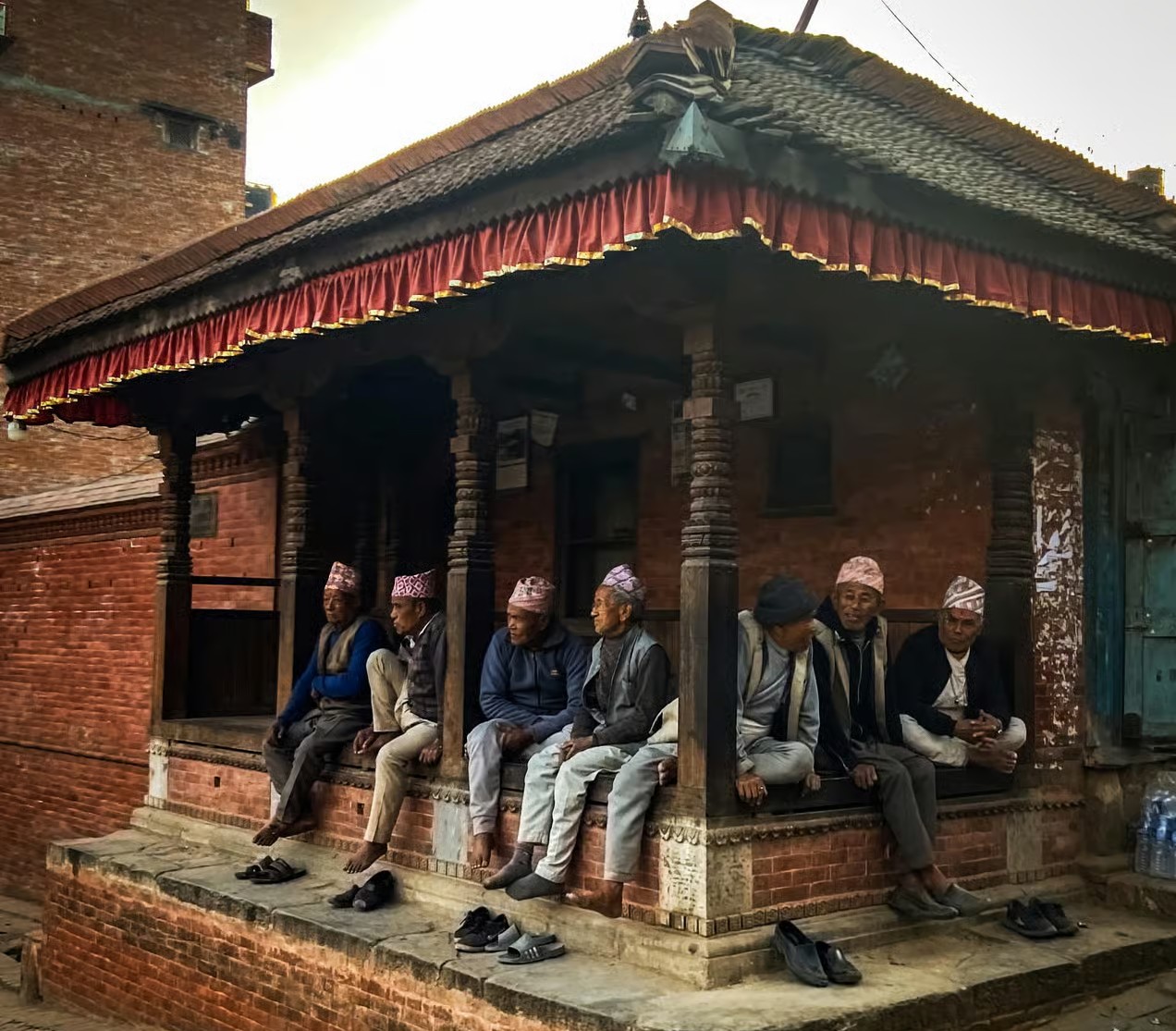
Some of Kathmandu's most revealing cultural experiences happen in places that are not conventional tourist attractions. Small tea shops, traditional courtyards and neighbourhood squares provide settings where people meet, talk and take breaks from their daily activities. In older settlements of the Kathmandu Valley, courtyards may contain shrines, communal spaces or entrances to surrounding homes. Their functions vary, but many remain part of the social and architectural character of traditional neighbourhoods.
Tea shops offer a different but equally familiar setting. People gather over chiya, exchange news and discuss everyday matters, often in modest establishments that serve the surrounding community. Around local temples and public squares, religious activities, shopping and social interaction may take place within the same area. These overlapping uses show how the city's cultural life is not separated from ordinary routines but continues within the places people use every day.
For visitors interested in how to experience local culture in Kathmandu, these spaces offer opportunities to observe the city at a slower pace. A cup of tea or a walk through a traditional residential area can reveal details that may be missed during a busy sightseeing schedule. Because these are everyday community spaces, visitors should be considerate of residents, respect private areas and ask permission before photographing people or entering places that are not clearly open to the public.
Food, Festivals and the Traditions of the Kathmandu Valley
Food in Kathmandu is closely connected to festivals, family gatherings and religious traditions. Newari cuisine offers particularly clear examples of this relationship, with dishes prepared for specific celebrations and rituals. Samay baji is associated with festivals and ceremonial occasions, while yomari is linked to Yomari Punhi, a Newar festival celebrated around the rice harvest. These foods are not simply traditional recipes; they form part of the customs through which families and communities mark important occasions.
The meaning of these dishes often extends beyond their ingredients. Recipes and preparation techniques are passed between generations, and the process of preparing and sharing food can bring relatives and community members together. Certain foods may be associated with particular seasons or observances, while the preparation of a traditional meal can help maintain connections with family history and cultural identity. These practices show how culinary traditions continue to evolve while retaining their cultural significance.
Understanding the traditions behind traditional Nepali food makes each dish more meaningful. Some foods are prepared for specific festivals, family gatherings or religious occasions, while others remain part of everyday meals. Learning when these dishes are served, how they are prepared and why they hold cultural significance offers a glimpse into the living heritage of the Kathmandu Valley, where food continues to connect generations and communities.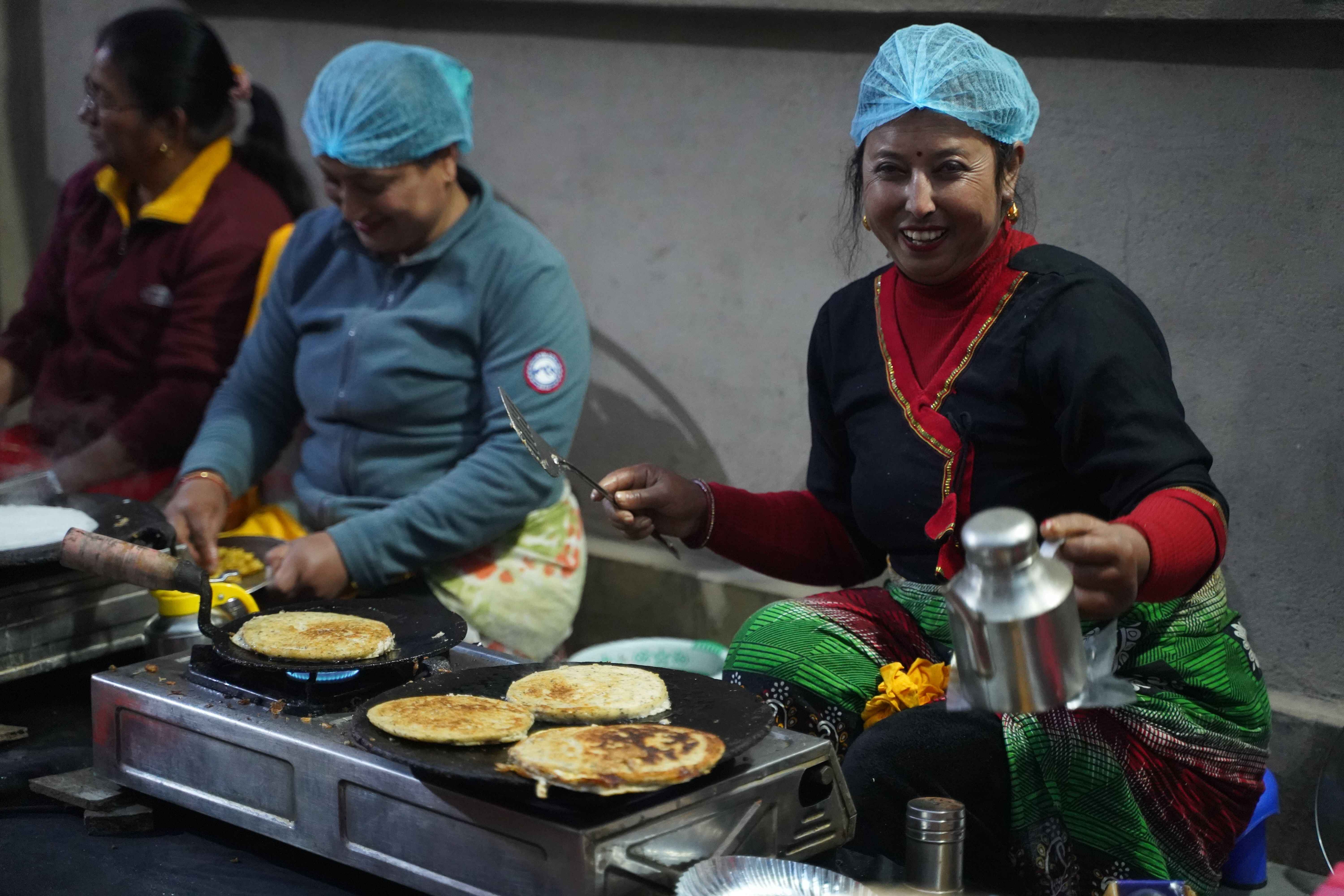
The People Behind Kathmandu's Everyday Culture
Kathmandu's markets, eateries and neighbourhood gathering places are shaped by the people who maintain them. Market vendors arrange and sell their goods, cooks prepare familiar dishes, shopkeepers serve regular customers, and families continue food traditions at home. Each contributes to the character of the city through practical knowledge and daily work. Even a short visit to a traditional market can reveal the variety of people and activities that support everyday life.
Conversations can make these encounters more meaningful. A vendor may explain how an ingredient is used in local cooking, while a cook might describe the preparation of a traditional dish or recommend something popular with regular customers. These exchanges are often informal, but they can provide insights that are difficult to gain by simply walking through a market or ordering a meal without asking questions. They also highlight the individual knowledge behind traditions that may otherwise seem like part of the city's background.
For visitors seeking local experiences in Kathmandu, meeting the people behind the food and markets can create a stronger connection with the places they explore. The aim is not to turn every interaction into a formal cultural lesson, but to recognise that local traditions are maintained through people's everyday choices and activities. Their work and knowledge help keep traditional foods, market practices and neighbourhood businesses part of contemporary Kathmandu.
Exploring Kathmandu Through Its Neighbourhoods
Kathmandu's neighbourhoods each have their own atmosphere, shaped by their streets, shops, food traditions and community spaces. The historic commercial areas around Asan and Indra Chowk offer lively markets and a close look at the movement of goods through the old city. Elsewhere, quieter residential lanes reveal traditional courtyards, small shrines, local eateries and shops that serve the surrounding community. Exploring on foot makes it easier to notice these differences and appreciate how the city changes from one area to another.
Food provides a useful way to discover these neighbourhoods. One area may have an eatery known for a particular snack, while another offers a different mix of traditional dishes, tea shops and everyday shopping streets. Visitors can follow their curiosity, stop to try something unfamiliar or explore a side street that looks interesting. These small discoveries can make a walk feel less like a checklist of attractions and more like an opportunity to understand the city.
Exploring neighbourhoods through their food and markets offers a different way to experience the city beyond its well-known monuments. Traditional bazaars, residential streets and small eateries reveal how people live, work and interact within their communities. These everyday experiences complement visits to historic sites, giving a broader understanding of the city's character and the cultural traditions that continue to shape local life.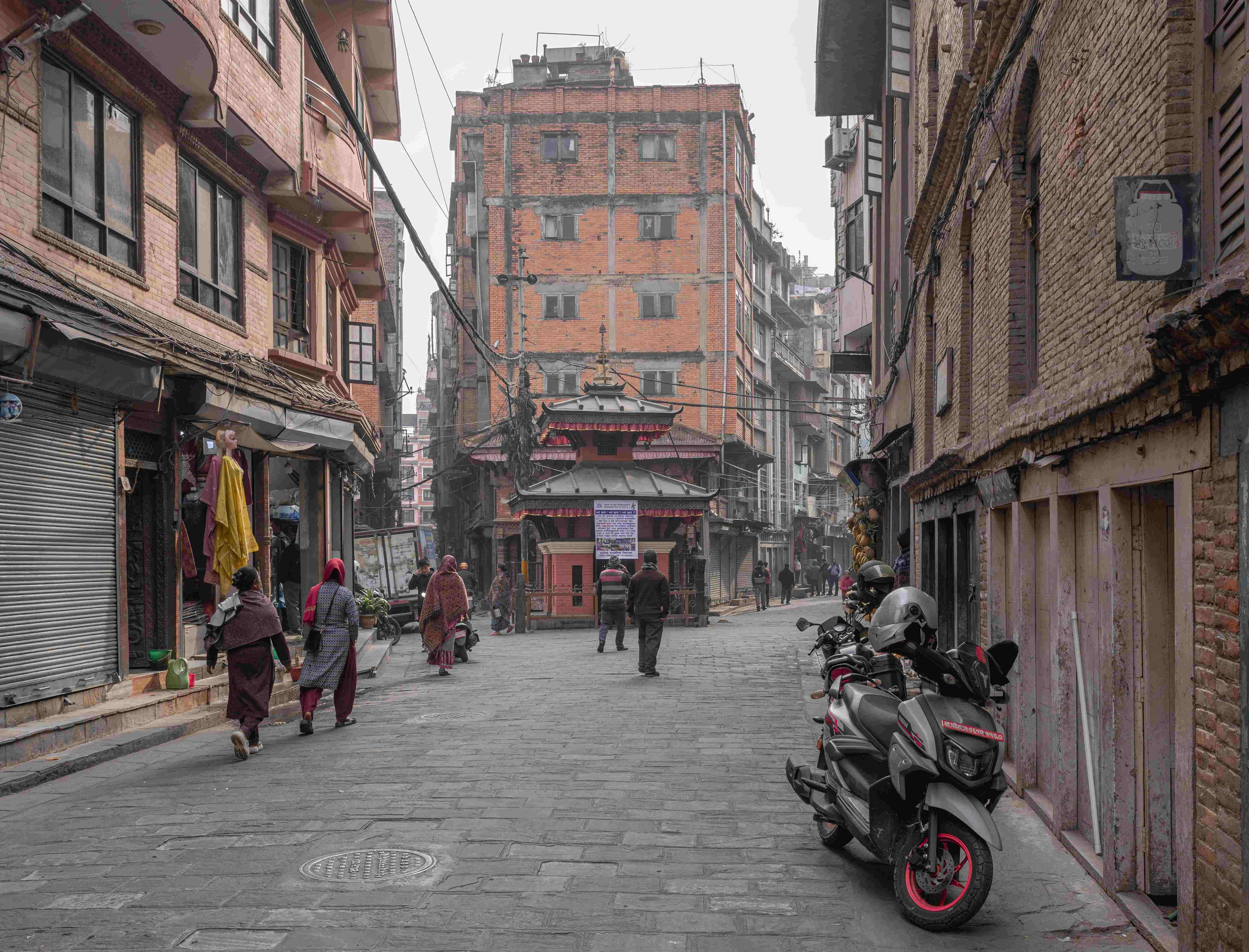
How to Experience Local Kathmandu Beyond Sightseeing
Discovering Kathmandu through its food and markets does not require an elaborate itinerary. Visitors can begin with a morning walk through Asan Bazaar, continue towards Indra Chowk and observe the shops, stalls and everyday activity along the way. Trying traditional Newari dishes, stopping at a small eatery or enjoying chiya at a neighbourhood tea shop provides a simple way to experience the city's food culture. Allowing time to explore at a comfortable pace also makes room for unexpected discoveries.
Travellers can gain additional context through a food-focused walk or a cultural experience with a knowledgeable guide. Learning about traditional ingredients, the history of market areas and the occasions associated with local dishes can help explain the connections between food, commerce and community life. Visitors interested in non-touristy things to do in Kathmandu can also explore residential neighbourhoods, look for traditional eateries and pay attention to the everyday activities that give each area its character.
Kathmandu's famous monuments remain an essential part of its appeal, but they are only one aspect of the city. Its markets, kitchens, gathering places and community traditions reveal how cultural heritage continues through ordinary routines. For anyone wondering whether Kathmandu is worth exploring beyond its temples and historic squares, these experiences offer a compelling reason to look more closely. Discovering Kathmandu through its food, markets and local life means seeing the city not only through its celebrated landmarks, but also through the people, flavours and traditions that make it a living cultural centre.
Experience the Everyday Life of Kathmandu
Frequently Asked Questions
1. What are the best local foods to try in Kathmandu?
Some of the best local foods to try in Kathmandu include samay baji, bara, chatamari, choila, momos, sel roti and dal bhat. Newari cuisine is particularly worth exploring, with a variety of savoury dishes, traditional snacks and festive foods. Trying different dishes at local eateries and traditional restaurants is a great way to discover the city's food culture.