Blog Details
07Oct
A Day Exploring Hidden Newari Towns Around Kathmandu
Kathmandu is often introduced through its temples, stupas, palaces and historic squares. Yet the cultural story of the Kathmandu Valley extends much further than these well-known landmarks. Across the Valley are old settlements where traditional houses, courtyards, temples, festivals, crafts, food and community traditions continue to shape everyday life.
For visitors looking beyond the usual things to do in Kathmandu, these settlements offer a different way to understand the Valley. Kirtipur, Bungamati and Khokana are particularly interesting examples, each retaining a distinct character while sharing many elements of the Newar civilisation that developed across the Valley.
Exploring these places also fits naturally into the search for unique things to do in Kathmandu, cultural experiences in Kathmandu and hidden gems in Kathmandu. They are close enough to the capital to be explored in a day, yet their streets and neighbourhoods reveal a side of the Valley that can easily be missed when visiting only its major monuments.
The Newar Civilization Behind Kathmandu Valley
The history of Kathmandu Valley is closely connected with the development of Newar civilization. Over centuries, the Valley grew into an important centre of trade, religion, art, architecture and craftsmanship. The Newars developed sophisticated traditions in metalwork, woodcarving, stone carving, painting, architecture, music, festivals and food, many of which remain visible today.
The Valley's historic settlements were shaped around more than individual temples and houses. Streets, courtyards, bahals, bahils, shrines, communal spaces and residential buildings were arranged as interconnected parts of neighbourhood life. Hindu and Buddhist traditions developed alongside one another, often sharing the same urban landscape.
Kathmandu, Patan and Bhaktapur became the best-known historic centres of this civilization, but the same cultural landscape extends into numerous smaller towns and settlements around the Valley. Kirtipur, Bungamati and Khokana are among the places where this heritage can still be understood through the character of the settlements themselves.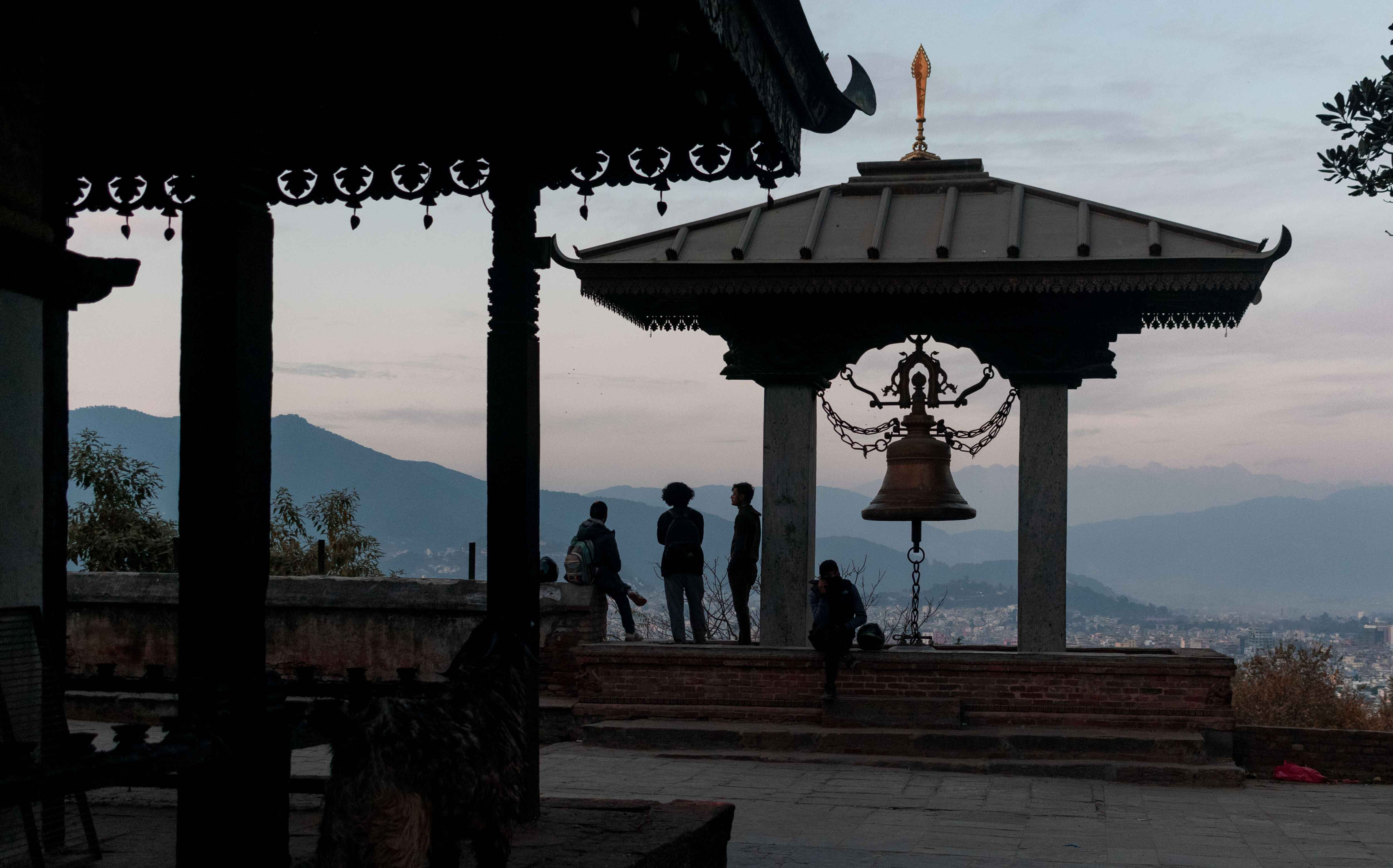
What Makes These Newar Towns Different?
Kirtipur, Bungamati and Khokana belong to the same wider cultural landscape, but they do not feel the same. Their differences come partly from their geography, history and the way their communities developed.
Kirtipur grew as a historic hill settlement with a distinctly urban character. Its old neighbourhoods contain traditional brick houses, temples, bahals and courtyards, with the town's position on the hill giving it a different setting from the settlements on the southern plains of the Valley.
Bungamati has a more compact and village-like character. Traditional houses line narrow streets, while courtyards, religious spaces and woodcarving remain closely connected with community life. Its long association with Rato Machhindranath adds another important layer to the town's cultural identity.
Khokana, meanwhile, reveals the relationship between Newar settlement and agriculture. Its traditional houses and communal spaces sit alongside fields, while the historic production of mustard oil remains closely associated with the identity of the settlement.
Looking at the three together makes it easier to understand that there is no single form of a Newar town. The civilization developed through different relationships between settlement, religion, craftsmanship, agriculture and community life.
Kirtipur and the Older Kathmandu Valley
Kirtipur is one of the most recognisable historic settlements outside central Kathmandu. Built across a hill southwest of the capital, its older neighbourhoods retain narrow streets, traditional brick houses, temples and courtyards that reflect the character of a medieval Newar town.
The town also has an important place in the political history of the Valley. Before the unification of Nepal, Kirtipur existed as an independent settlement and later became one of the places involved in the Gorkha conquest of the Kathmandu Valley.
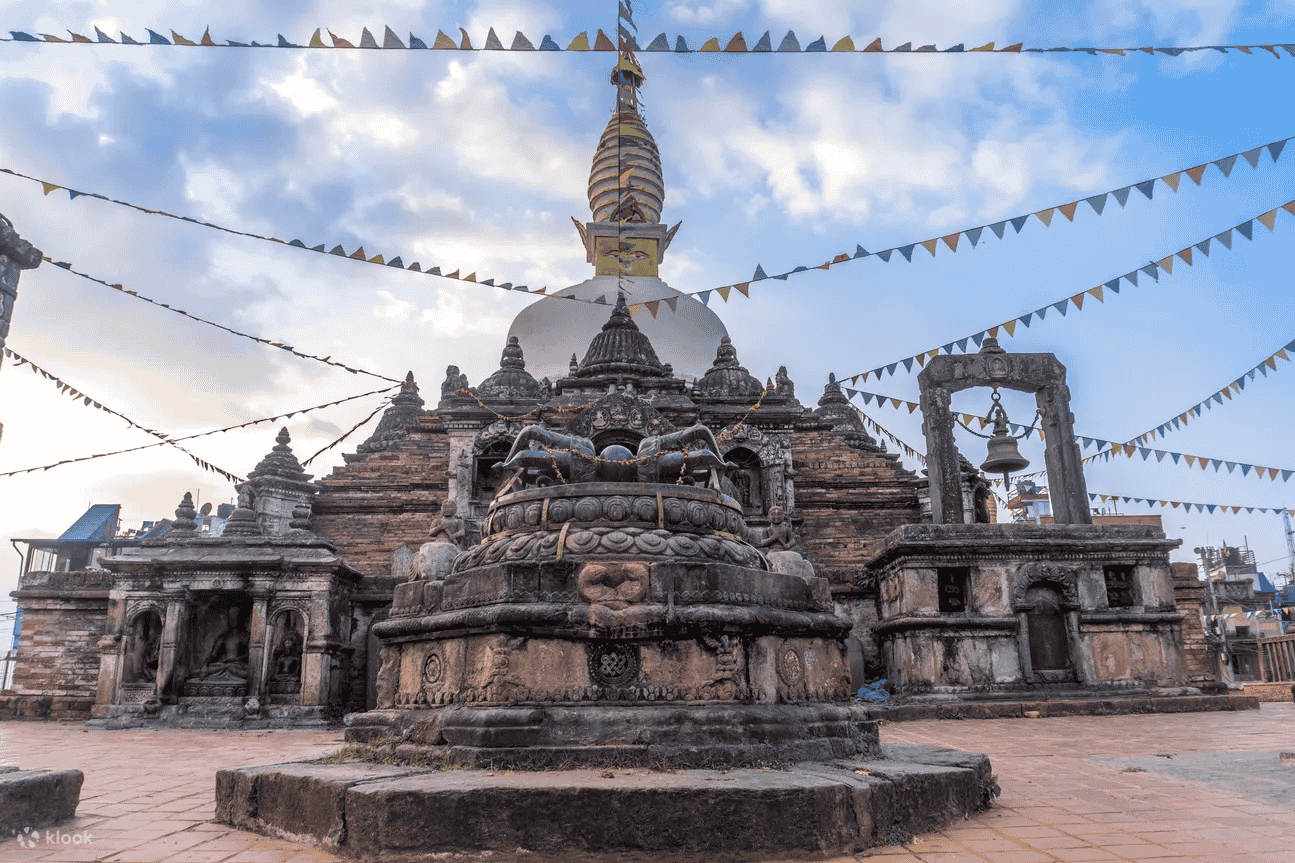
Its cultural character, however, is visible beyond this political history. Bagh Bhairav, Uma-Maheshwar and Chilancho Vihar sit within a wider network of traditional streets and neighbourhoods. Buddhist bahals and Hindu temples exist alongside residential spaces, while traditional architectural details appear throughout the old town.
The result is a settlement where history is not confined to a single monument. It is present in the streets themselves, in the arrangement of houses and courtyards, and in the religious and social spaces woven into the neighbourhood.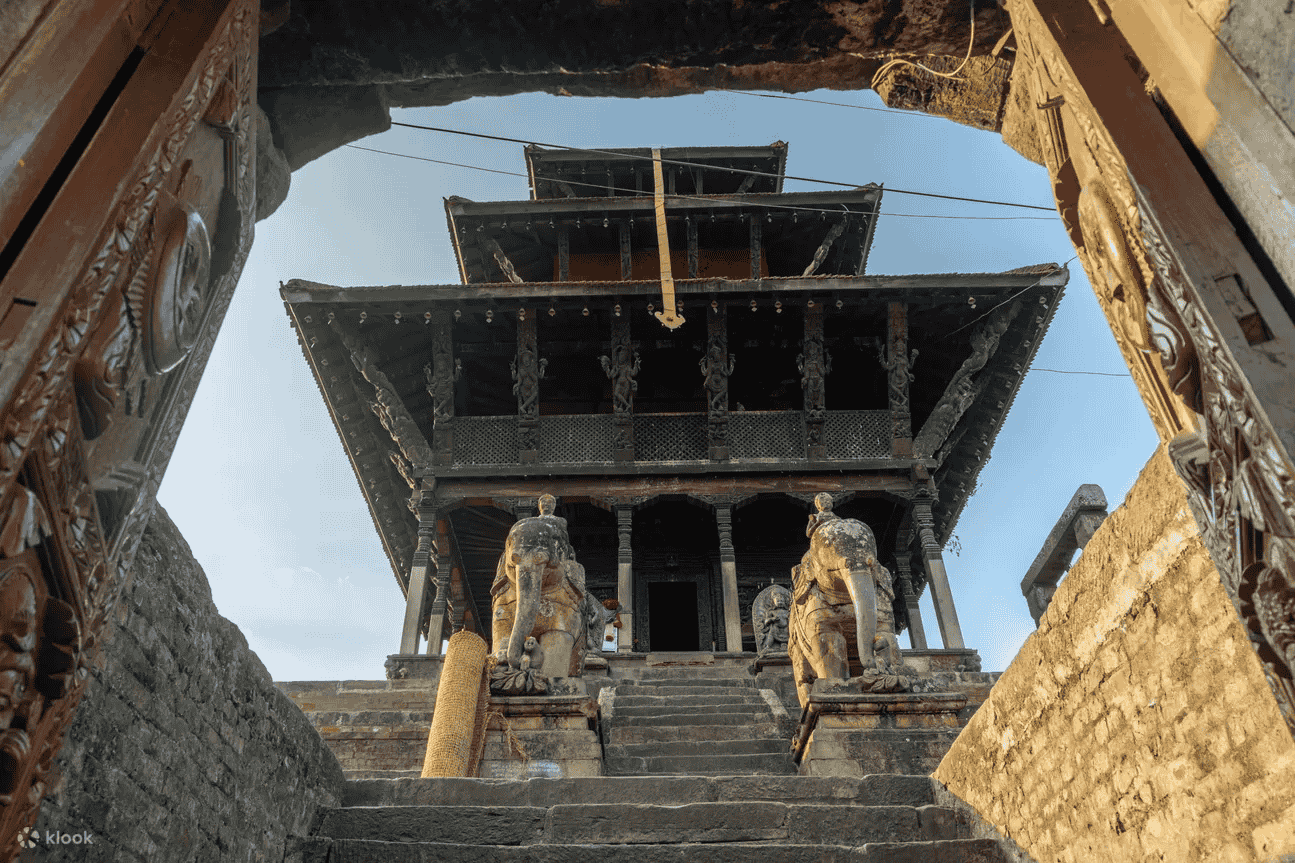
Bungamati and the Living Traditions of the Valley
Further south, Bungamati presents a different expression of the same Newar cultural landscape. The traditional settlement is compact, with narrow lanes leading between brick houses, courtyards, temples and communal spaces.
Its identity is strongly connected with Rato Machhindranath, one of the most important deities in the cultural traditions of the Kathmandu Valley. The deity's connection with Bungamati and the major festival associated with the tradition have given the settlement an important place in the religious and cultural life of the Valley.
Bungamati also retains visible connections with traditional craftsmanship. Woodcarving can be seen in architectural details throughout the settlement, while the arrangement of houses and courtyards reflects older patterns of Newar community life.
What makes Bungamati particularly interesting is the way these elements exist together. Architecture, religion, craftsmanship and everyday life are not separate attractions but parts of the same settlement.
Khokana and the Agricultural Landscape
Close to Bungamati, Khokana offers yet another perspective on the Valley's Newar heritage. Here, the connection between settlement and agricultural land is particularly clear.
The traditional village retains old houses, courtyards, shrines and communal spaces, while fields surround the settlement. Agriculture has historically been an important part of local life, making Khokana different in character from the more urban historic centres of the Valley.
Khokana is also known for its traditional mustard-oil production. The practice has become an important part of the settlement's cultural identity and provides an example of how local production, agriculture and community life can become part of a place's heritage.
This combination of architecture and agricultural landscape gives Khokana a character of its own. It shows another side of Newar culture in Kathmandu, where heritage is connected not only to temples and buildings but also to land, food production and everyday work.
Streets, Courtyards and the Architecture of Newar Life
One of the most distinctive features of these settlements is the way architecture is integrated into community life. Traditional brick façades, carved wooden windows, decorated doors, timber struts and tiled roofs create a visual language found throughout the Kathmandu Valley.
But the architecture becomes more meaningful when viewed as part of the settlement around it. Courtyards provided shared spaces, temples and shrines were woven into neighbourhoods, and bahals and bahils formed important parts of Buddhist communities.
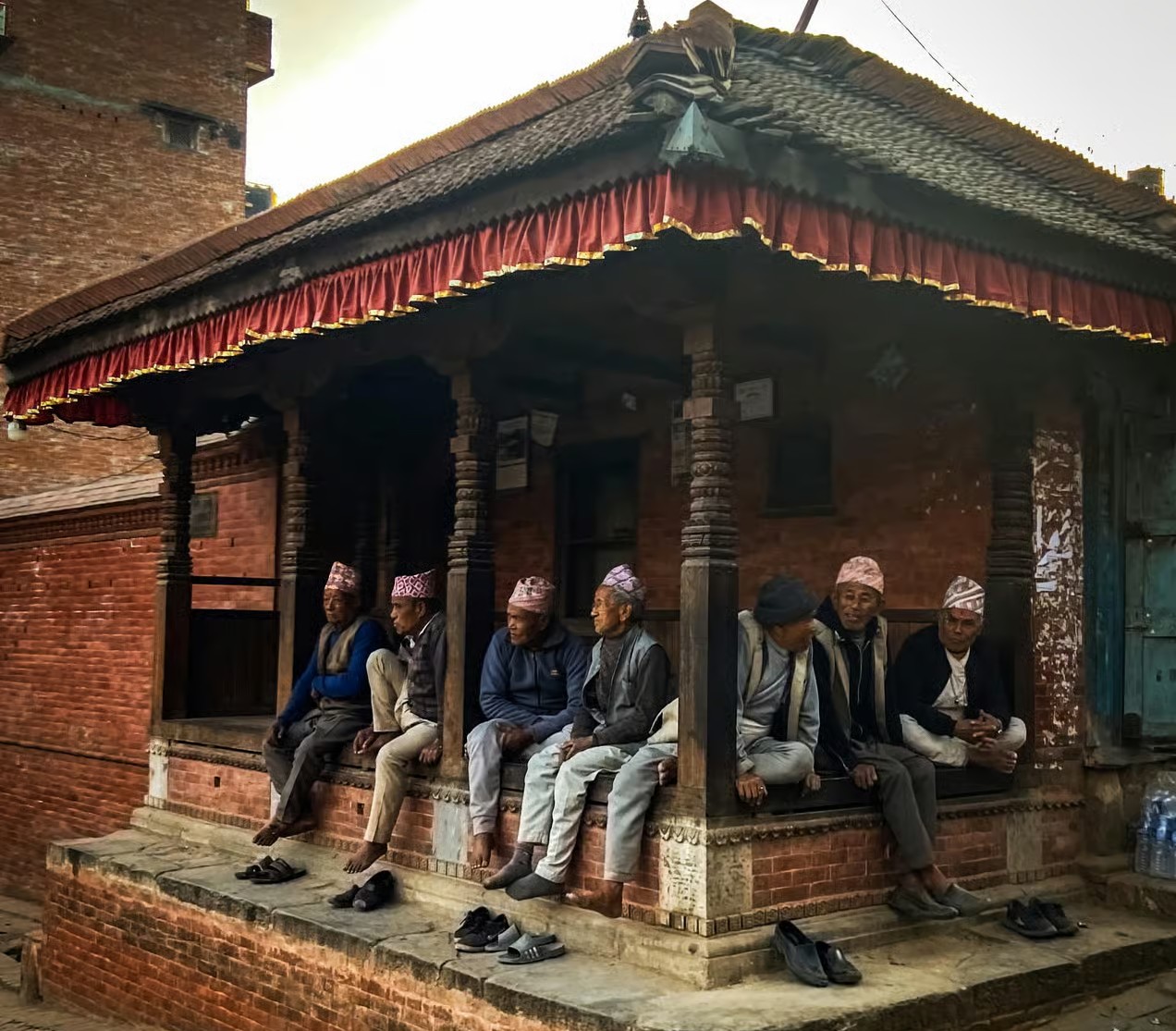
Walking through an older Newar settlement therefore reveals much more than architectural craftsmanship. The arrangement of the buildings shows how people lived together, practised religion, gathered as a community and organised their neighbourhoods.
This is one reason these places can be particularly valuable for those interested in traditional villages near Kathmandu and the architectural traditions of the Valley.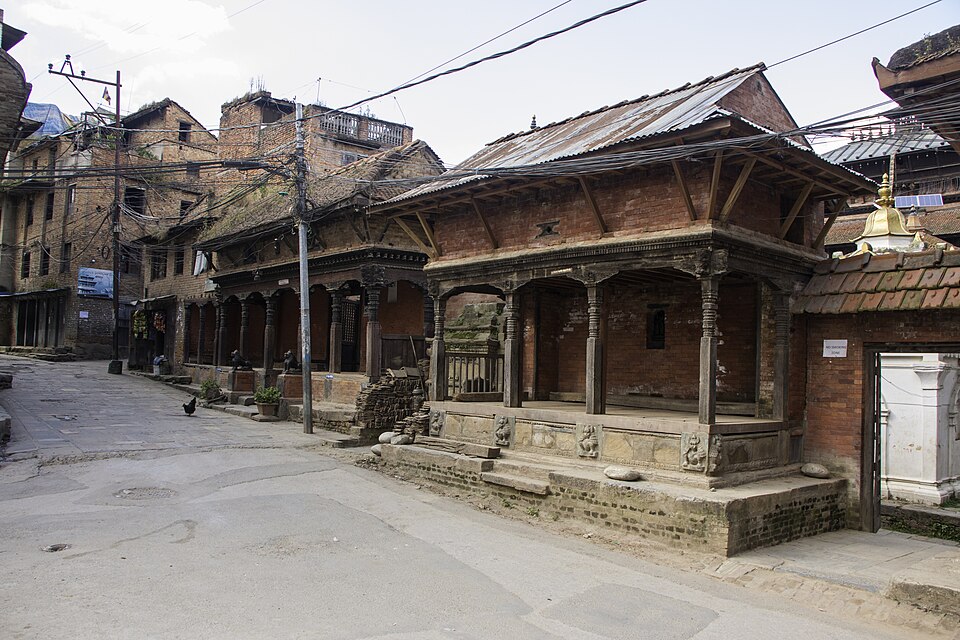
Heritage That Continues Beyond the Monuments
The heritage of Kirtipur, Bungamati and Khokana extends beyond their traditional houses and temples. In Kirtipur, Bagh Bhairav Temple is dedicated to the town’s protective deity, worshipped for health and prosperity. The temple is also associated with Nasa Dyo, the deity of music and dance. In Bungamati, the Machhindranath Temple and its surrounding settlement are closely connected with Bung Dyaḥ, also known as Rato Machhindranath. Khokana’s Rudrayani Temple, meanwhile, reflects the village’s distinctive religious identity, while its traditional mustard-oil production preserves a link between local craftsmanship and agriculture.
These traditions remain part of community life. Temples serve as places of daily worship and gathering, while traditional music, ritual responsibilities and the guthi system help sustain festivals and collective practices. In Khokana, the connection between the village, its agricultural surroundings and traditional oil pressing is particularly visible. Together, these places show how religious belief, local skills and community participation continue to shape the heritage of Newar settlements.
Festivals, Religion and Community
Festivals offer a closer look at these living traditions. In Kirtipur, Bagh Bhairav Jatra honours the town’s guardian deity, while Indrayani Jatra brings the community together through processions and traditional music in honour of the goddess Indrayani. Both reflect the importance of local deities and neighbourhood participation in Newar religious life.
In Bungamati, the Rato Machhindranath Jatra is central to the town’s cultural identity. Known locally as Bung Dyaḥ, the deity is associated with rain and agricultural prosperity. The festival’s celebrated chariot procession connects Bungamati with Patan and other parts of the Valley, bringing together communities through worship, ritual and shared responsibility.
Khokana has its own distinctive tradition in Sikali Jatra, celebrated during the Dashain period in honour of the goddess Sikali, closely associated with Rudrayani. The festival features ritual dances, masked figures representing deities and community processions. Unlike the usual Dashain celebrations observed across much of Nepal, Sikali Jatra holds a central place in Khokana’s local religious calendar.
Across all three settlements, these festivals are organised and sustained through community participation, with local groups, musicians, worshippers and guthi members carrying out specific roles. They reveal a side of Newar heritage that goes beyond historic architecture: traditions that continue to connect people with their deities, neighbourhoods and shared cultural identity.|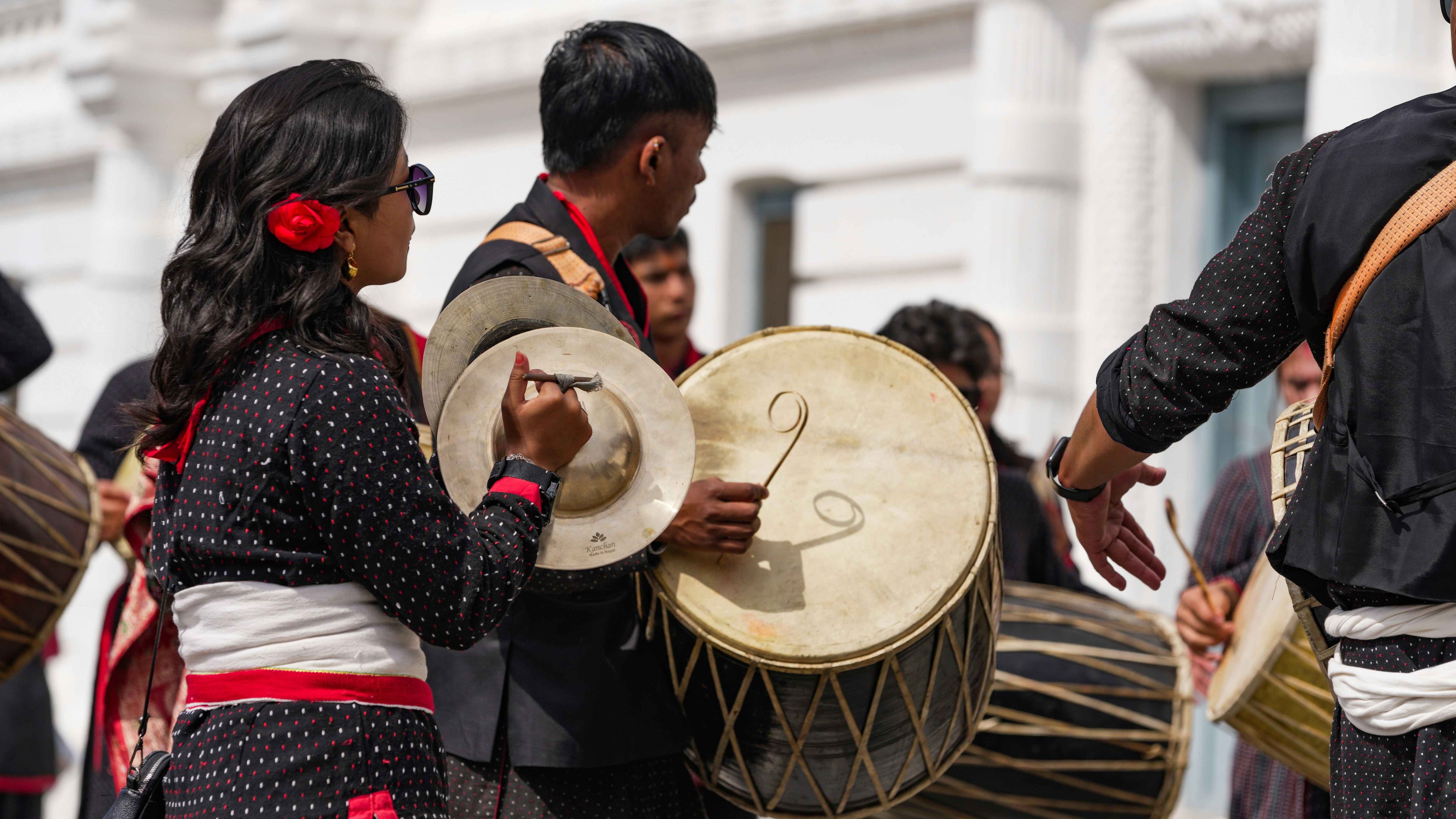
A Route Through Three Different Newar Landscapes
Kirtipur, Bungamati and Khokana can naturally be connected into a day of exploration from Kathmandu because of their location around the southern and southwestern parts of the Valley.
A route can begin in Kirtipur, where the hilltop setting and older urban neighbourhoods introduce the historic character of a Newar town. From there, the journey can continue towards Bungamati, bringing a more compact traditional settlement and the cultural traditions surrounding Rato Machhindranath into the picture.
Khokana lies close to Bungamati, making it possible to continue south without having to make a separate journey from Kathmandu. The landscape changes as the traditional settlement gives way to surrounding agricultural fields, offering a different perspective on how Newar communities developed beyond the larger urban centres.
The three places can therefore be understood as connected but distinct parts of one wider cultural landscape. Rather than visiting them simply as separate attractions, the journey between them helps reveal the different ways Newar communities have interacted with the Valley's hills, farmland, religious traditions and urban spaces.
A Different Way to Experience Kathmandu
For those looking for places to visit near Kathmandu, Kirtipur, Bungamati and Khokana offer something beyond the usual circuit of major monuments. They are also well suited to those searching for cultural day trips from Kathmandu, particularly when the interest lies in local communities, traditional settlements and living heritage.
They can be described as off the beaten path Kathmandu experiences, although their importance goes beyond the idea of being hidden or undiscovered. These are established communities with their own histories, traditions and identities.
A day spent moving through Kirtipur, Bungamati and Khokana is ultimately a way of seeing the Kathmandu Valley through its communities. The temples and monuments remain important, but the streets, courtyards, houses, fields, festivals, food and traditions reveal another part of the story: the Newar civilisation that helped shape the Valley and continues to influence its cultural life today.
Discover Kathmandu Beyond the Usual
Frequently Asked Questions
1. What are the best things to do in Kathmandu beyond the usual tourist attractions?
Explore historic Newar settlements such as Kirtipur, Bungamati and Khokana, where you can see traditional architecture, temples, courtyards, local festivals, crafts, food traditions and everyday community life.