Blog Details
25Jun
Why Wellness Travel Belongs in Nepal
In a world that rarely slows down, wellness is often sold as a luxury.
In Nepal, it has always been part of the landscape.
Long before wellness retreats became a global industry, people came to these mountains seeking something deeper: silence, reflection, spiritual practice, and a closer relationship with nature. For centuries, monks, pilgrims, yogis, and seekers traveled through the Himalayas not to escape life, but to better understand it.
Here, wellness is not simply about spa treatments or relaxation.
It is about space.
Space to breathe, to walk, to reflect, and to reconnect with yourself amid landscapes that naturally invite stillness.
Nepal's Natural Advantage
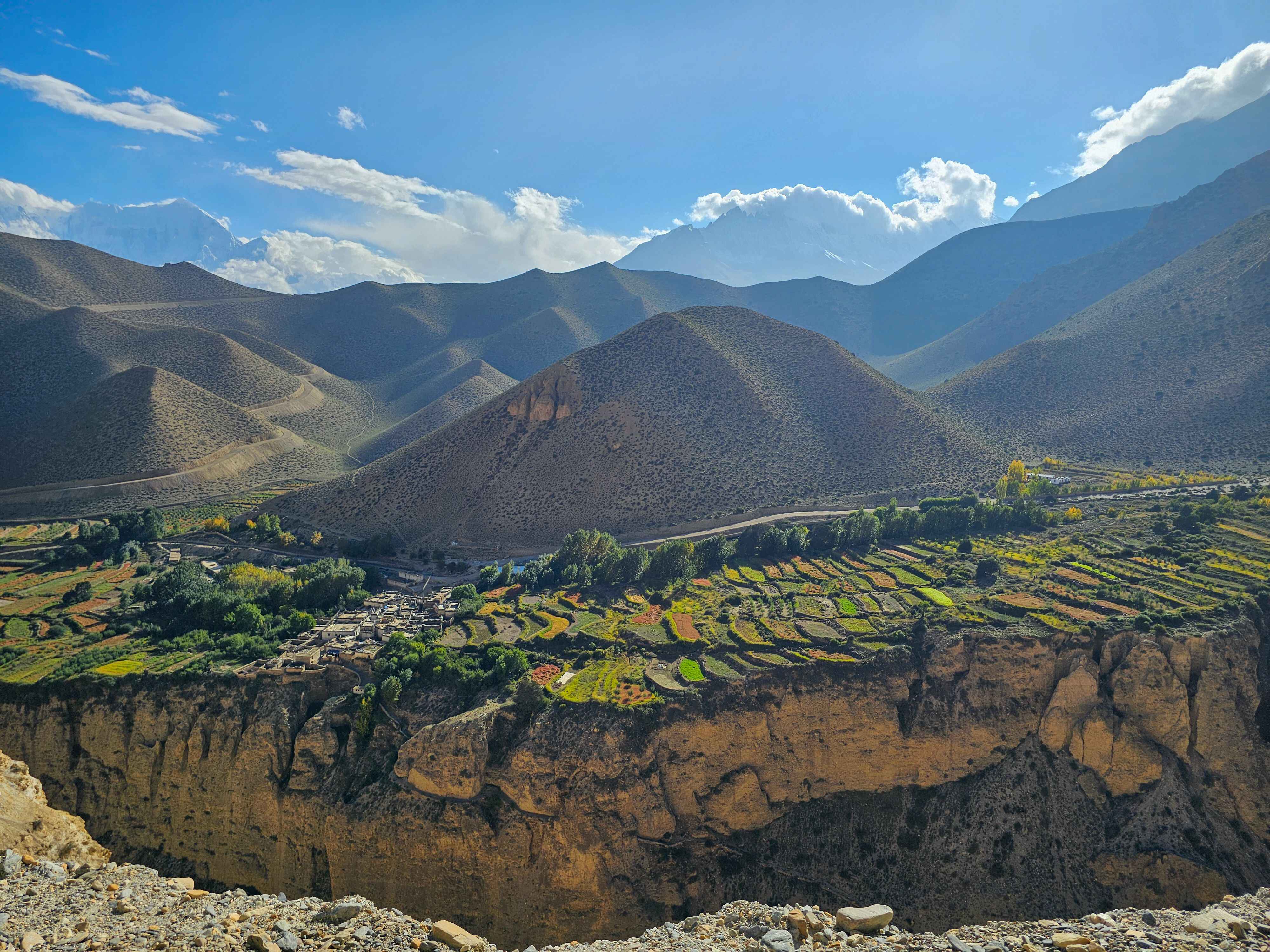
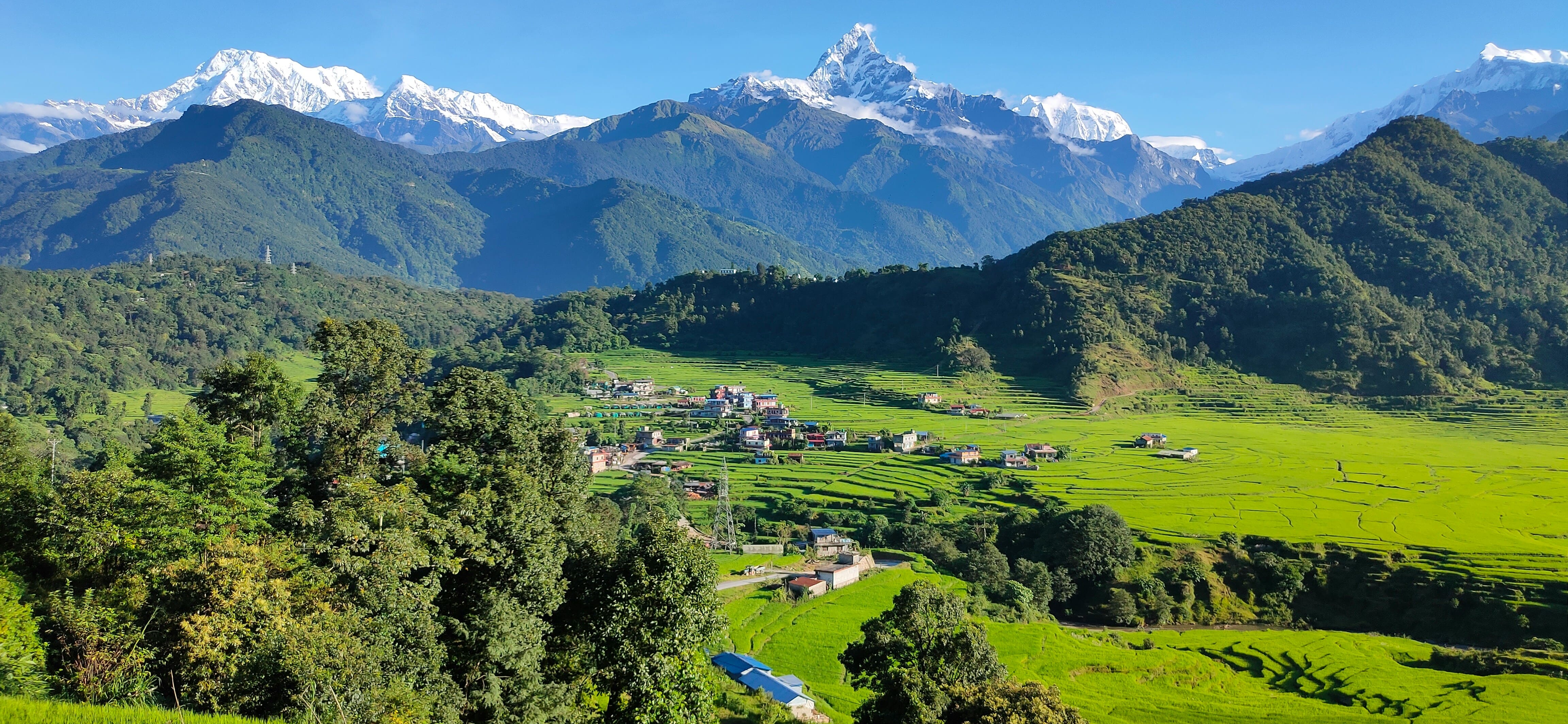
Few countries offer such a dramatic combination of mountains, forests, rivers, and spiritual heritage within such a compact geography.
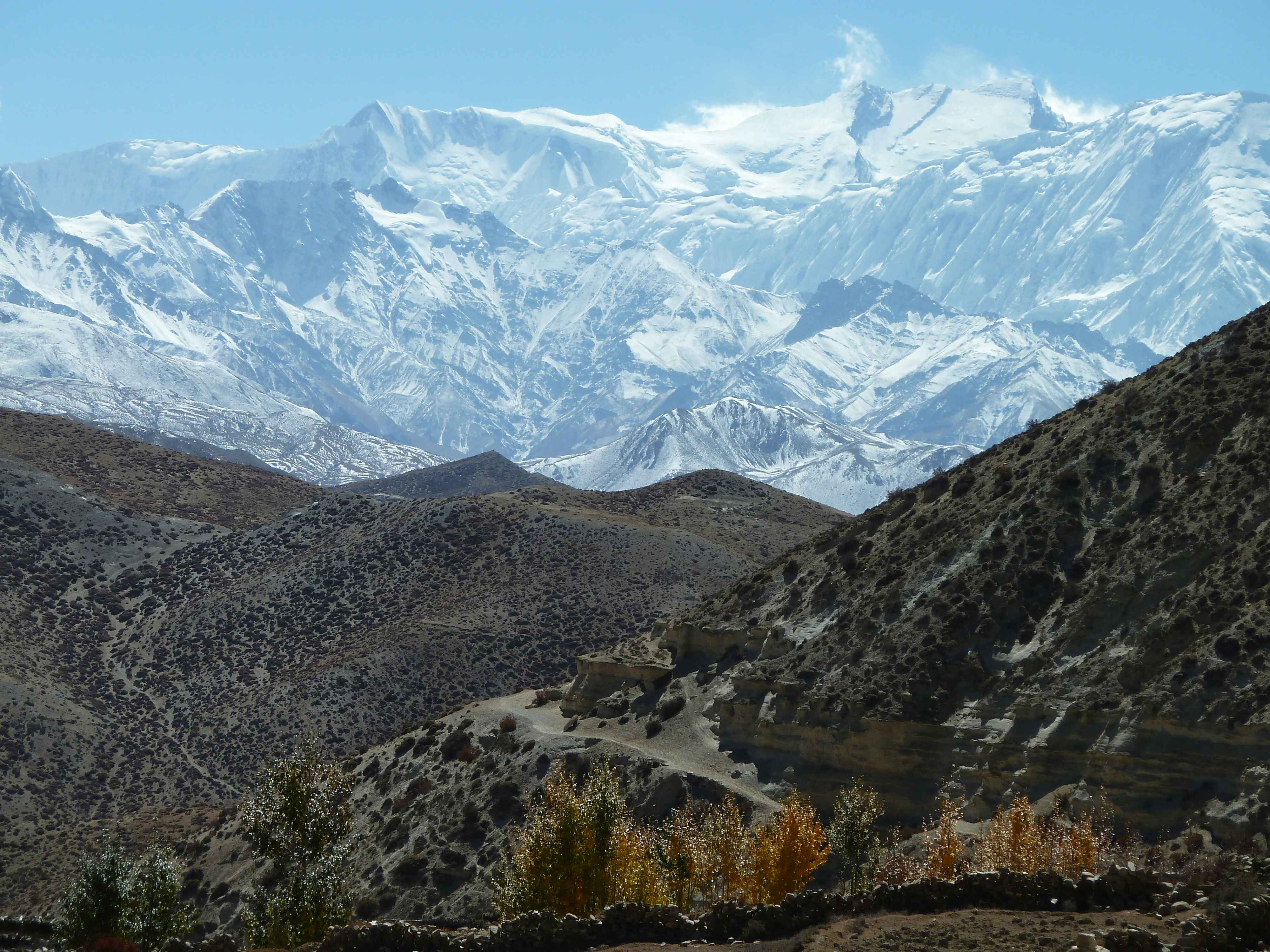
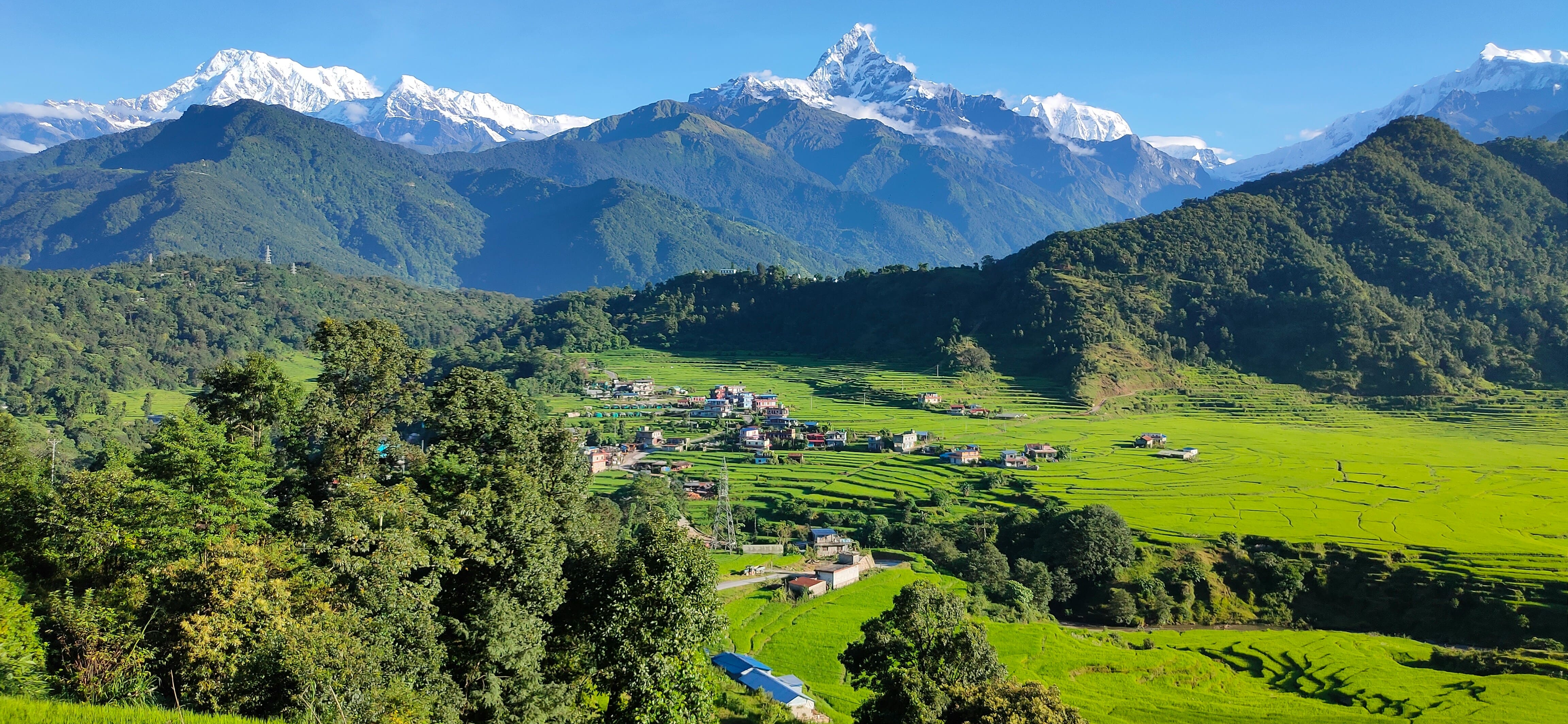
From the Himalayan peaks visible on the horizon to terraced hillsides, pine forests, and quiet valleys, Nepal's landscape encourages a slower pace of life. Mornings begin with crisp mountain air and birdsong. Evenings often end with distant temple bells, prayer chants, or the sound of wind moving through the hills.
The mountains themselves play an important role in the experience.
For generations, the Himalayas have been viewed not merely as geographical features but as places of contemplation and spiritual significance. Across many traditions, the mountains symbolize perspective, humility, and a connection to something greater than oneself.
It is no coincidence that so many monasteries, meditation centers, and spiritual retreats are found among these hills.
Namo Buddha — A Place of Compassion
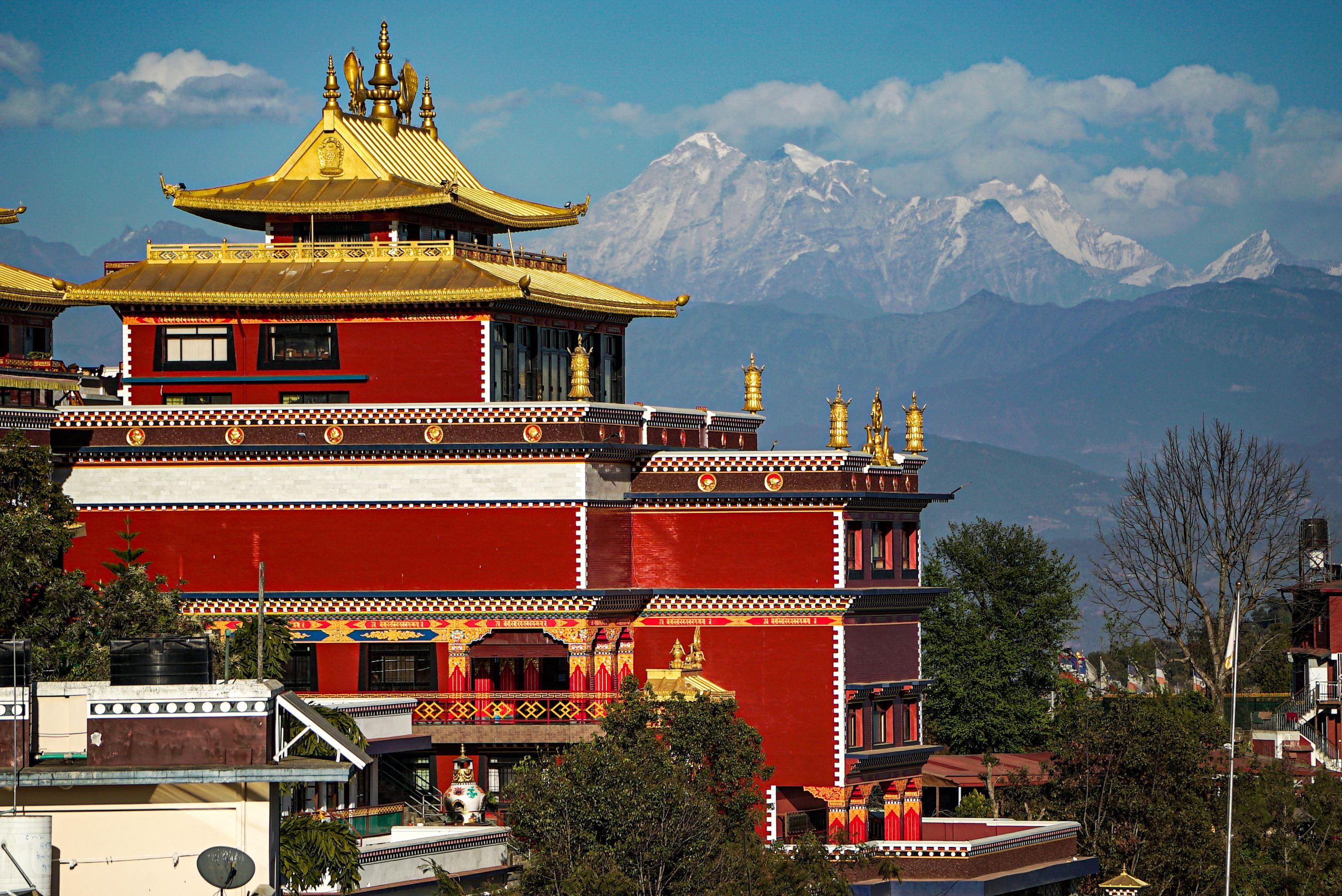
Perched on a peaceful ridge southeast of Kathmandu, Namo Buddha is one of the most important Buddhist pilgrimage sites in Nepal. Surrounded by rolling hills and fresh mountain air, it has also become one of Nepal's most sought-after destinations for meditation retreats, mindfulness programs, and yoga escapes.
According to Buddhist tradition, this was the place where a young prince, believed in a previous life to be the Buddha himself, encountered a starving tigress unable to feed her cubs. Moved by compassion, he offered his own body to save them. This story of selflessness continues to inspire visitors seeking deeper reflection, inner growth, and spiritual renewal.
Whether viewed as history, legend, or spiritual teaching, the story remains one of the most powerful expressions of compassion in Buddhist tradition. It is this atmosphere of kindness, mindfulness, and contemplation that makes Namo Buddha especially suited for wellness journeys focused on emotional balance, inner clarity, and personal transformation.
Today, the monastery sits amid forests, open skies, and quiet countryside. Prayer flags flutter in the wind. Monks move peacefully through courtyards while panoramic views stretch across the Himalayan foothills. The natural surroundings create an environment where slowing down feels effortless.
For wellness travelers, Namo Buddha offers far more than beautiful scenery. It is an ideal setting for multi-day meditation retreats, silent retreats, yoga and mindfulness programs, Buddhist teachings, and restorative stays. Here, compassion, simplicity, and stillness are not concepts. They are part of daily life.
Pharping — Nepal's Hidden Spiritual Valley
Just a short drive from Kathmandu, Pharping is one of Nepal’s most important yet quietly held Buddhist retreat destinations. Tucked into a green valley surrounded by forested hills, it has long been a place where practitioners come for meditation, retreat, and spiritual practice away from the rhythm of the city.
For centuries, this area has been associated with Guru Rinpoche, also known as Padmasambhava, a central figure in Himalayan Buddhism. Sacred caves, monasteries, and retreat centers are scattered across the hills, creating a landscape deeply connected to meditation traditions and tantric Buddhist practice.
According to tradition and historical belief, these caves and sacred sites were places of realization and practice. Over time, Pharping became known as a powerful meditation ground where practitioners could retreat into silence and focus on inner development. This legacy continues today through active monastic communities and long-term retreat centers.
Today, Pharping remains one of the closest authentic retreat environments to Kathmandu while still feeling completely separate from it. Forest paths, prayer flags, small monasteries, and quiet villages create a gentle rhythm of life that encourages stillness and reflection.
For wellness travelers, Pharping is especially suited for meditation retreats, silent retreats, yoga and breathwork programs, mindfulness training, and longer spiritual immersions. It offers an environment where practice is not staged for visitors but lived as part of daily routine.
Hemja Monastery — Tranquility Above Pokhara
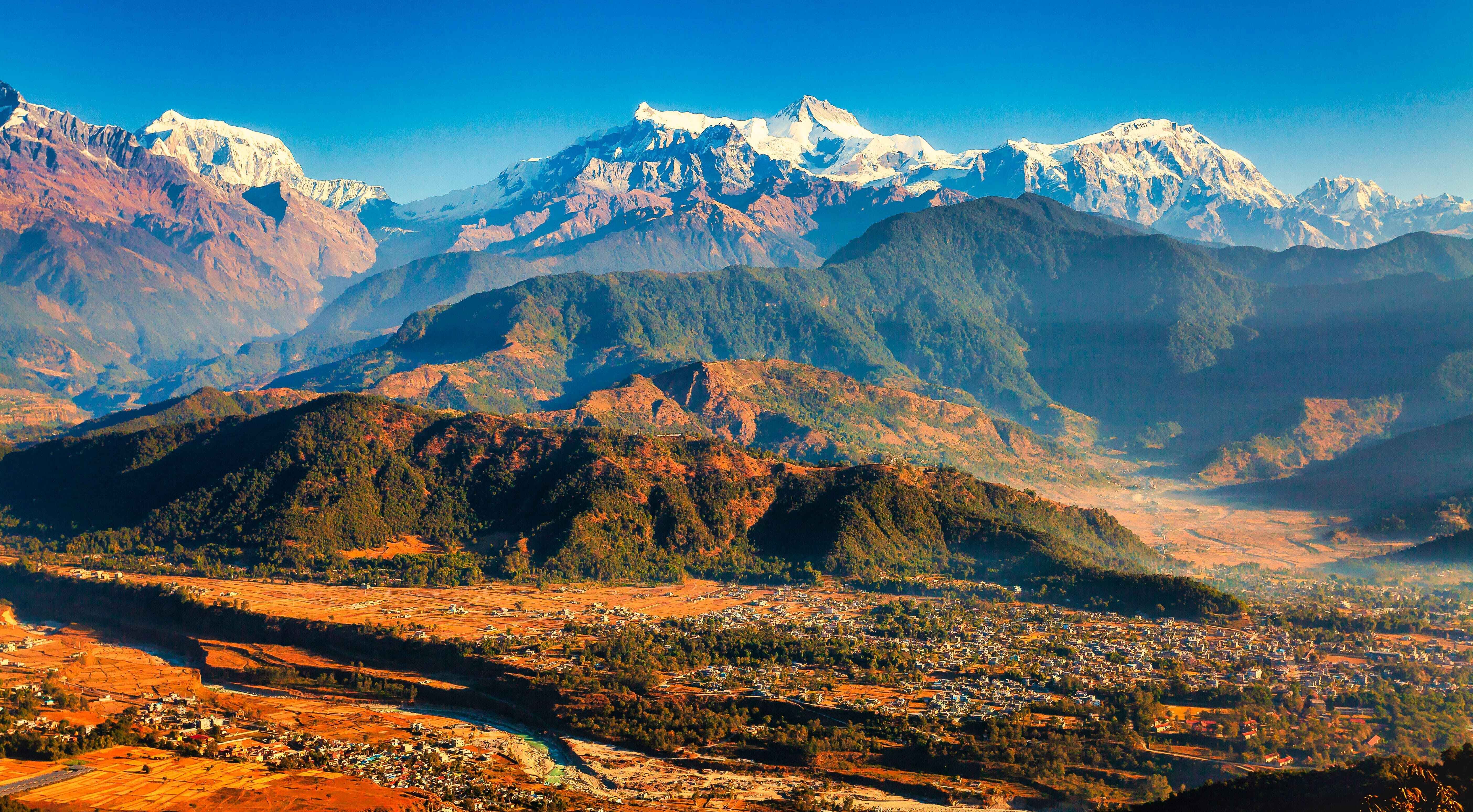
North of Pokhara, in the quiet hills of Hemja, sits the Hemja Monastery, a peaceful Buddhist monastery overlooking the wider Pokhara Valley.
While many visitors focus on Pokhara’s lakes, adventure activities, and city life, Hemja offers a slower, quieter perspective just above it all. The monastery is surrounded by green hills, farmland, and open views toward the Annapurna range, creating a natural sense of space and calm.
Prayer flags move with the wind across the hillside, and the monastery’s daily rhythm unfolds gently within its peaceful setting. The atmosphere is simple and grounded, shaped by silence, nature, and monastic life rather than activity or spectacle.
For wellness travelers, Hemja Monastery offers a calm environment for short retreats, meditation practice, yoga sessions, and quiet reflection. It is not about what happens here, but what becomes possible when everything slows down.
The Buddhist Landscape of Nepal
What makes Nepal unique is not only the presence of monasteries.
It is the way spirituality and landscape exist as one continuous experience.
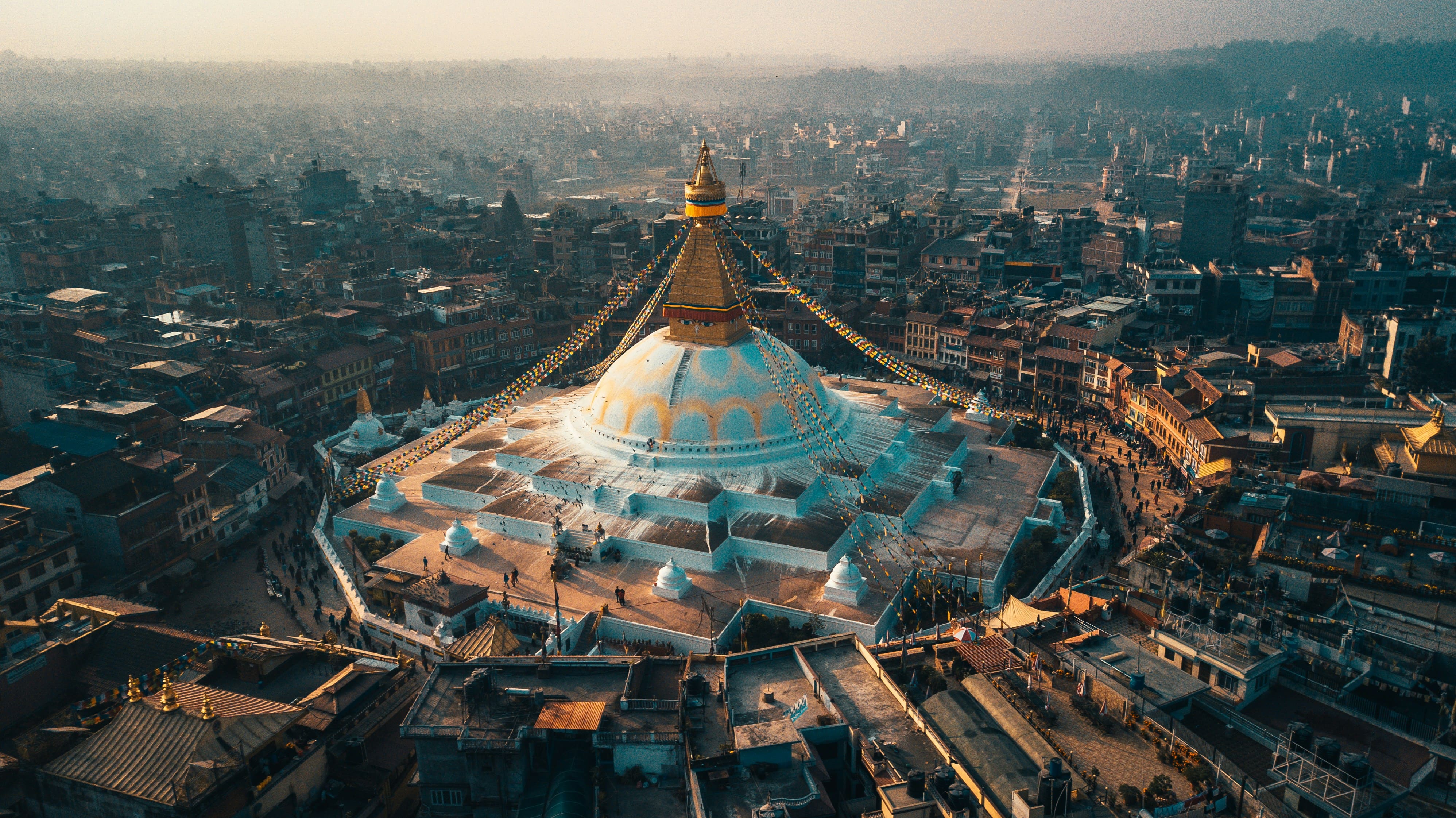
Across the country, Buddhist stupas rise beneath vast Himalayan horizons. Prayer flags stretch across mountain ridges and high passes, turning the wind itself into a carrier of prayers. Monasteries sit on cliff edges, valley slopes, and riverbanks, quietly overlooking landscapes shaped by centuries of natural and human rhythm.
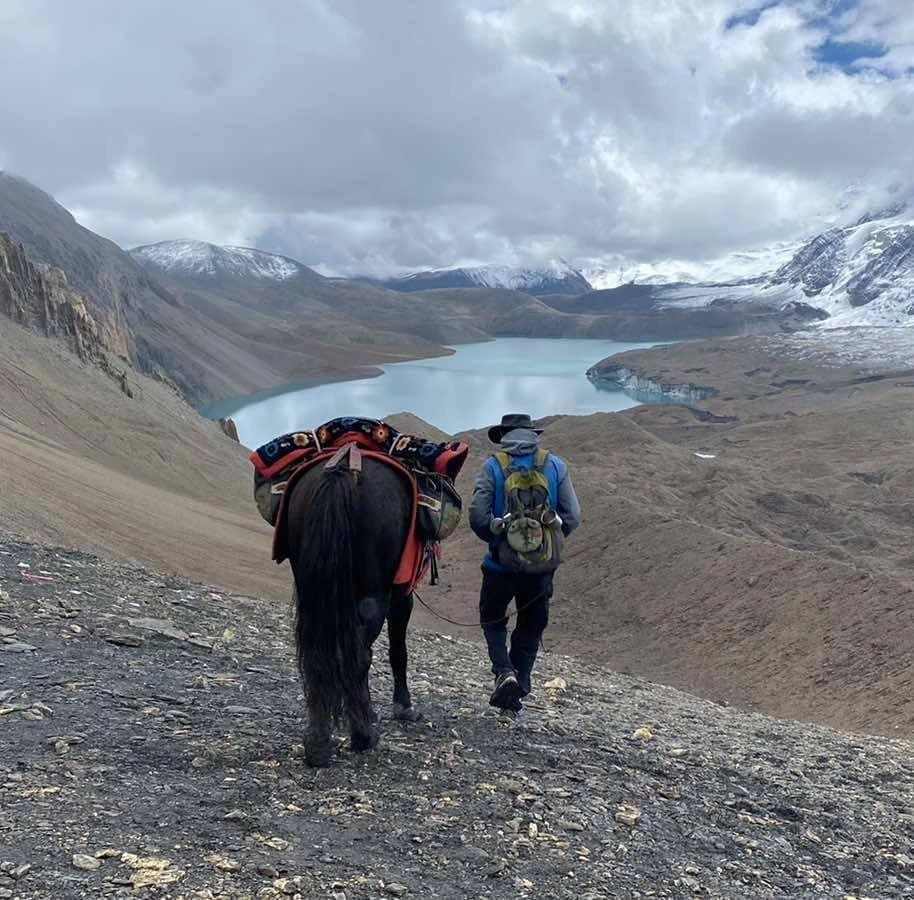
Pilgrimage routes are not separate from daily life. They pass through forests, terraced fields, mountain villages, and ancient trade paths, where travel, devotion, and community have long been intertwined. In many places, the journey is as meaningful as the destination.
Nature and spirituality are rarely separate here. They flow into each other without effort or boundary.
A mountain view becomes a form of meditation, inviting stillness without instruction. A forest path becomes a space for reflection, where silence feels natural rather than imposed. A monastery becomes more than a destination. It becomes part of a larger living landscape of practice, presence, and quiet awareness.
In Nepal, the environment does not frame the spiritual experience.
It participates in it.
The Geet Way
Wellness in Nepal is not found in an itinerary.
It reveals itself gradually.
Through mountains, monasteries, nature, and mindful encounters.
Let us craft a journey that connects you with the quieter side of Nepal - where wellness is not an activity, but a way of being.
Inspired by Nepal's wellness traditions? Experience them firsthand on our 8-Day Meditation, Yoga & Monastery Retreat.
Frequently Asked Questions
1. Why is Nepal considered one of the world's best wellness travel destinations?
Nepal has been a place of spiritual practice, meditation, and pilgrimage for centuries. Long before wellness became a global trend, monks, yogis, and seekers came to the Himalayas in search of reflection and inner peace. Combined with its pristine mountain landscapes, ancient monasteries, and living spiritual traditions, Nepal offers a naturally authentic setting for wellness travel.