Blog Details
01Jul
Where to Go for a Monastery Retreat in Nepal
In today's fast-moving world, silence has become one of life's rarest luxuries.
Many travelers come to Nepal for its mountains, ancient temples, and vibrant culture. Yet those seeking something deeper often discover that the country's greatest treasure is found not on a trekking trail, but behind monastery walls, where centuries-old traditions continue much as they have for generations.
A monastery retreat offers the opportunity to slow down, disconnect from daily distractions, and experience Buddhist life from within. Days begin with the sound of chanting, meals are shared in simplicity, and meditation becomes part of the natural rhythm of life.
Whether you are exploring Buddhism for the first time, looking for a meaningful wellness experience, or simply searching for peace, Nepal is one of the few places in the world where visitors can genuinely immerse themselves in monastic life.
Here are three of Nepal's most rewarding monastery retreats.
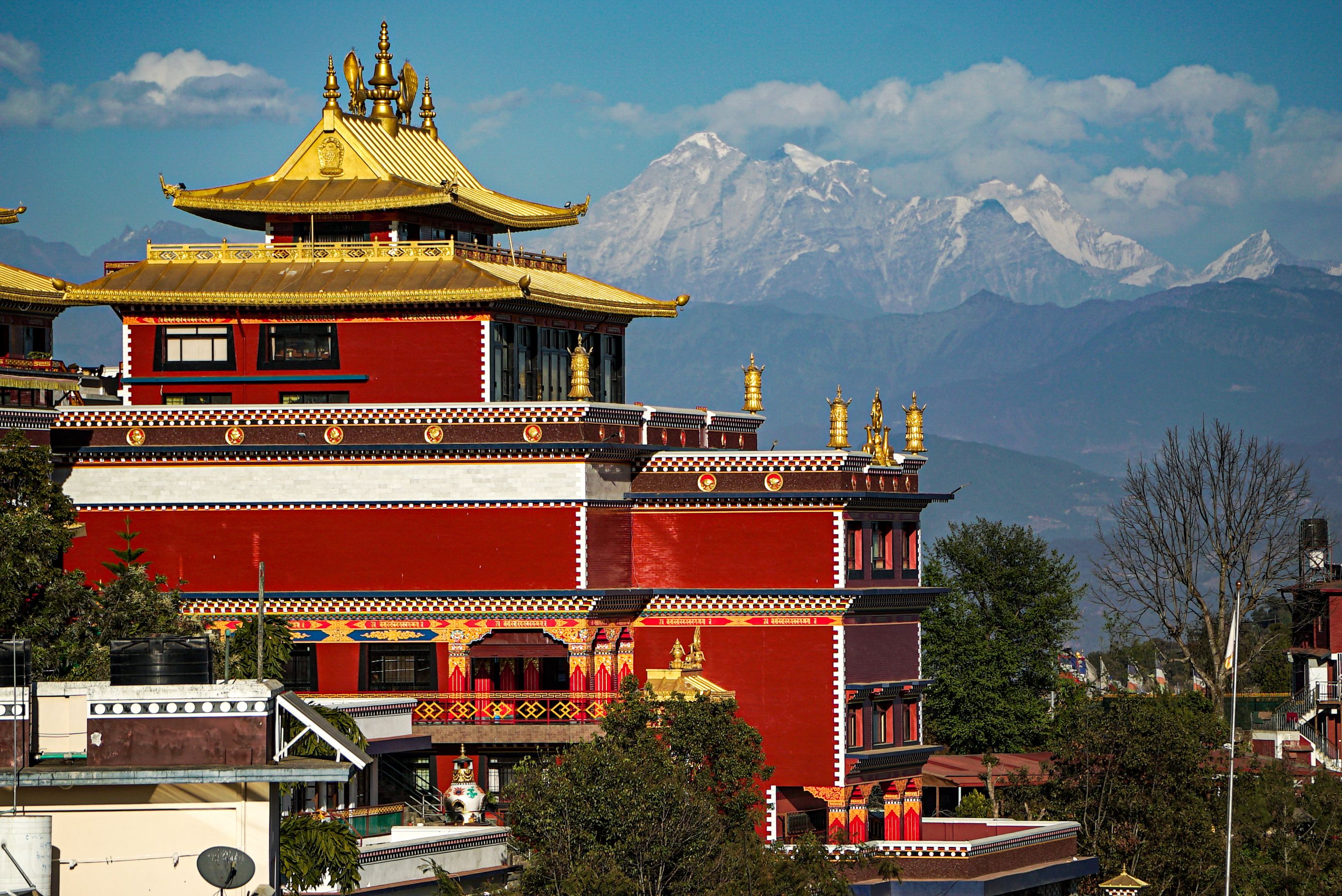
Thrangu Tashi Yangtse Monastery, Namo Buddha
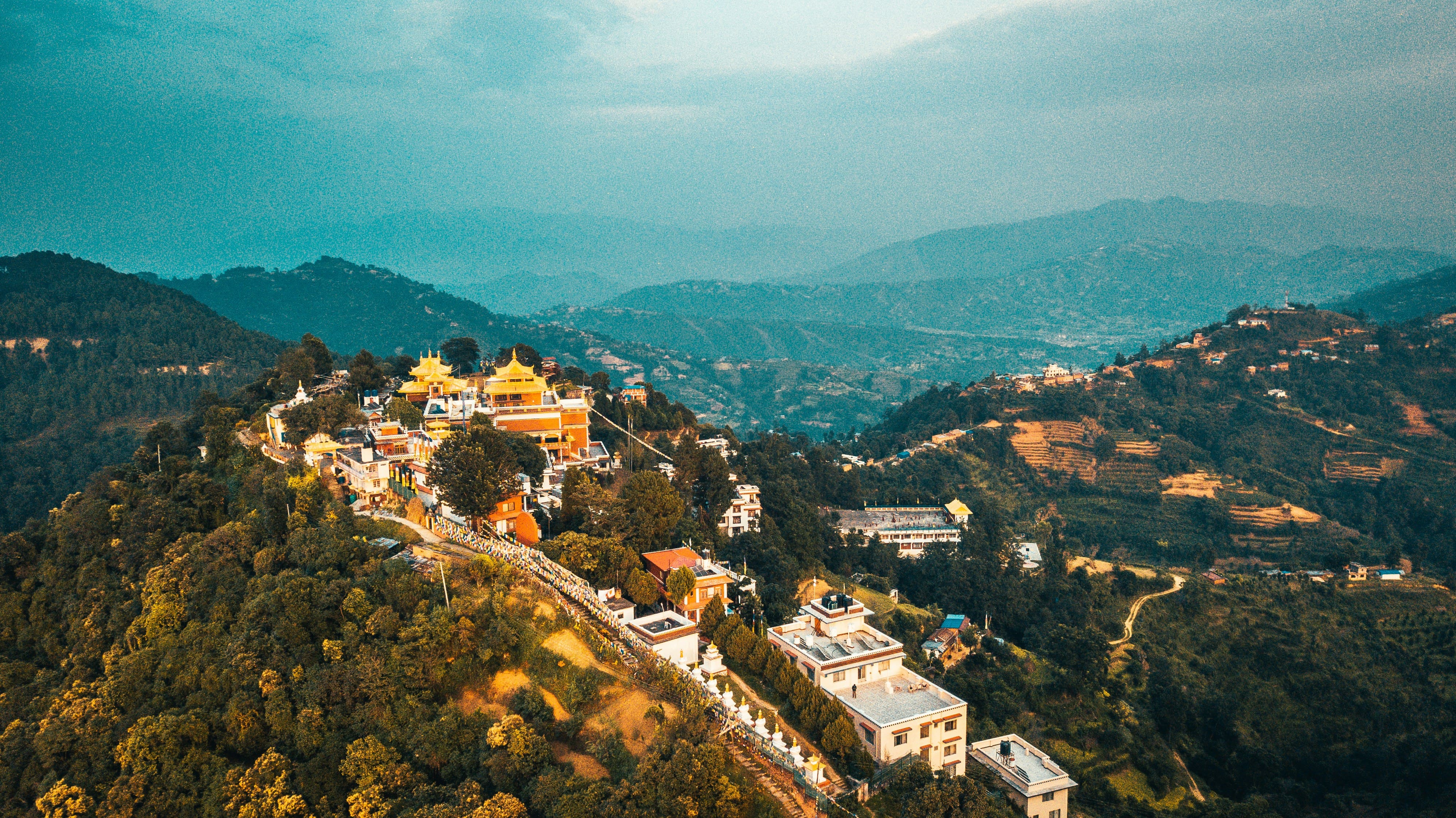
Nestled atop a peaceful ridge around two hours southeast of Kathmandu, Thrangu Tashi Yangtse Monastery overlooks the sacred pilgrimage site of Namo Buddha, one of the holiest Buddhist places in Nepal. The monastery is home to around 300 monks of the Karma Kagyu tradition and welcomes visitors seeking meditation, spiritual learning, or simply a few days of quiet reflection.
The monastery stands above terraced hills, forests, and traditional villages, creating an atmosphere that immediately feels removed from the pace of city life. Colorful prayer flags flutter across the hillside while Himalayan peaks appear on clear mornings beyond the valleys below.
One of the most meaningful aspects of staying here is the opportunity to witness daily monastic life. Guests are welcome to quietly attend the monks' prayer ceremonies, listen to the rhythmic chanting echoing through the main assembly hall, and observe centuries-old rituals that continue every day.
Morning puja usually begins shortly after sunrise, while afternoon prayers take place later in the day before evening, allowing guests to participate respectfully as observers. Exact schedules may vary according to the Tibetan lunar calendar and special ceremonies.
Accommodation is simple but comfortable. The monastery operates guesthouses designed for pilgrims and retreat participants, offering clean rooms, vegetarian meals, and peaceful surroundings. Rather than luxury, the focus is on creating an environment conducive to contemplation and mindfulness.
Highlights
One of Nepal's three most sacred Buddhist pilgrimage sites
Beautiful hilltop overlooking valleys and Himalayan landscapes
Attend morning and afternoon pujas
Stay in peaceful monastery guesthouses
Walking paths around the monastery and sacred stupa
Excellent destination for first-time monastery retreats
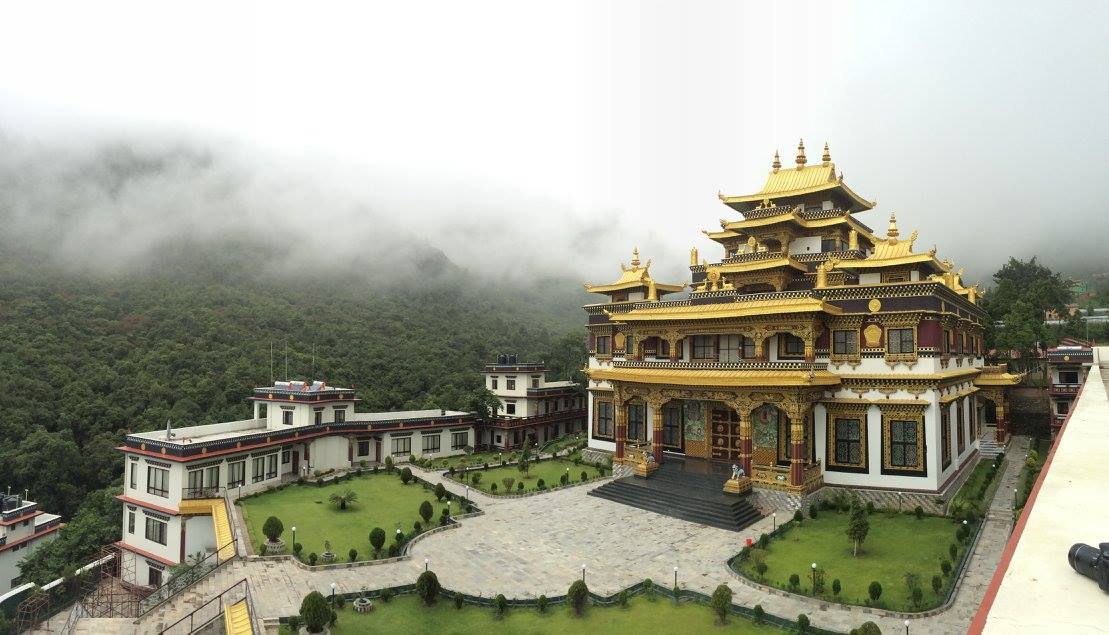
Azom Monastery, Pharping
Just south of Kathmandu lies Pharping, one of the most spiritually significant destinations in the Himalayas. Revered as the place where Guru Padmasambhava attained enlightenment, the area has attracted meditators and Buddhist masters for more than a thousand years.
Among the many monasteries surrounding the sacred caves and temples is Azom Monastery, a tranquil center of Tibetan Buddhist practice that provides visitors with an authentic glimpse into daily monastic life.
Unlike larger pilgrimage sites, Pharping offers a quieter and more intimate atmosphere. Prayer flags cover the surrounding hillsides, monks walk between temples, and countless meditation caves remain active places of retreat.
Guests staying near the monastery can attend both the morning and evening pujas, where deep chanting, traditional instruments, and incense create an unforgettable spiritual atmosphere. While visitors observe respectfully, participating in these ceremonies often becomes one of the most memorable moments of the retreat.
Accommodation around the monastery is modest and peaceful, with simple guest facilities that encourage a slower pace of life. Days can be spent attending prayers, visiting Guru Rinpoche's sacred caves, walking between monasteries, or simply enjoying meditation in the surrounding hills.
Highlights
Located in the sacred pilgrimage town of Pharping
Morning and evening pujas open to respectful visitors
Close to Guru Rinpoche's meditation caves
Peaceful hillside setting ideal for meditation
Excellent combination of pilgrimage and retreat
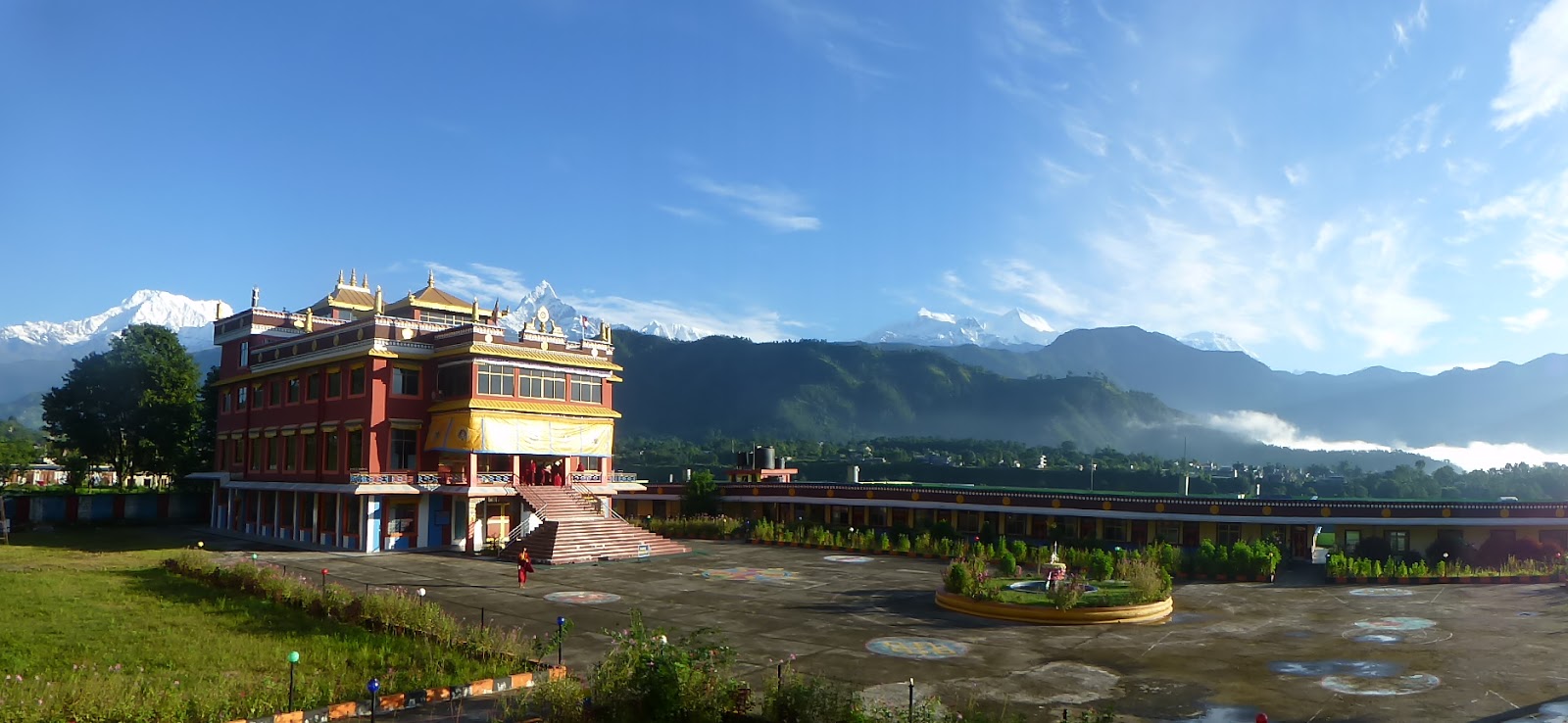
Hemja Pema Tsal Sakya Monastic Institute, Pokhara
Set beside the Seti River in Hemja, just outside Pokhara, Pema Tsal Sakya Monastic Institute offers one of Nepal's most welcoming monastery retreat experiences. The institute follows the Sakya tradition of Tibetan Buddhism and combines education, ritual practice, meditation, and hospitality within a serene natural setting.
Unlike monasteries located in busy urban areas, Hemja enjoys a peaceful environment surrounded by green hills, farmland, and panoramic mountain views. On clear mornings, the Annapurna range provides a spectacular backdrop to daily monastery life.
The monastery maintains a dedicated guesthouse where travelers can stay while joining the community's daily rhythm. Rooms are simple yet comfortable, and meals are served on site. Staying here directly supports the education, food, and welfare of the young monks studying at the institute.
Visitors are encouraged to attend both morning and evening pujas, observe traditional rituals, meditate inside the temple, and, when available, learn about Tibetan Buddhist philosophy from resident monks and teachers.
One of the unique aspects of Pema Tsal is the balance it offers between peaceful retreat and accessibility. Guests can spend the morning attending prayers before exploring Pokhara's natural beauty, returning to the monastery in time for evening chanting.
Highlights
Peaceful location beside the Seti River near Pokhara
Beautiful views toward the Annapurna Himalaya
Dedicated monastery guesthouse
Morning and evening pujas
Opportunity to meditate with the monks
Ideal for combining spiritual retreat with a Pokhara itinerary
What to Expect During a Monastery Retreat
Although every monastery follows its own schedule, most retreats share a similar rhythm.
Your day may begin before sunrise with the sound of bells calling monks to the prayer hall. Morning chanting is followed by breakfast, meditation, study, or quiet reflection. Afternoons are often free for walking meditation, reading, or exploring the monastery grounds before evening prayers bring the day to a peaceful close.
Accommodation is intentionally simple, meals are vegetarian, and visitors are encouraged to respect the monastery's daily routine.
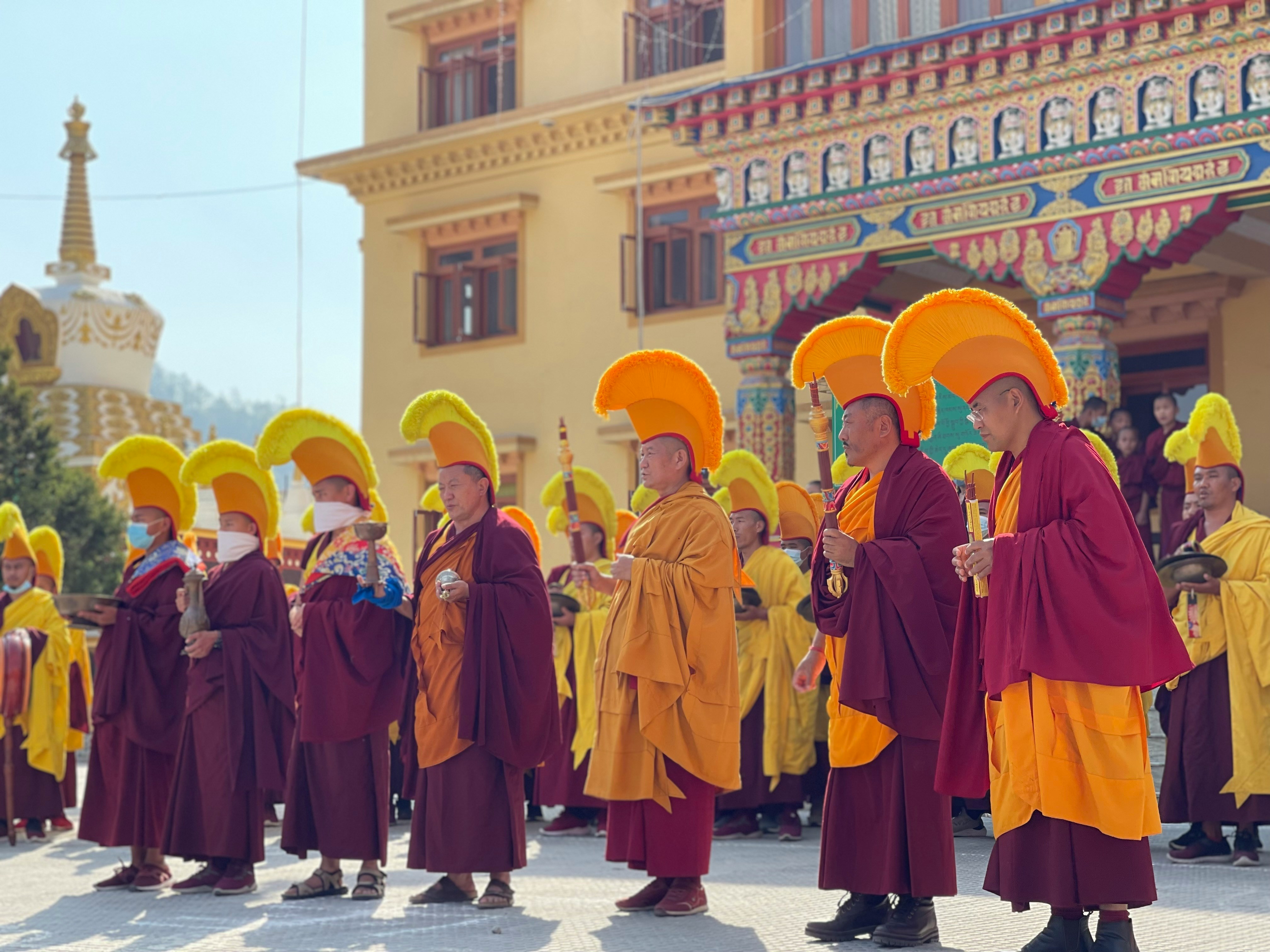
Monastery Etiquette
A monastery is first and foremost a place of worship and learning.
When visiting or staying at a monastery, it is important to:
Dress modestly, covering shoulders and knees.
Speak quietly and respect periods of silence.
Remove shoes before entering prayer halls.
Ask permission before photographing monks or ceremonies.
Follow the guidance of monastery staff and resident monks.
Participate with curiosity and respect, regardless of your own beliefs.
Finding Stillness in Nepal
A monastery retreat is not about escaping life - it is about experiencing it more mindfully.
Whether you spend your days listening to the chants at Namo Buddha, meditating among the sacred hills of Pharping, or waking to Himalayan views in Hemja, these retreats offer something increasingly difficult to find in modern travel: genuine peace, meaningful connection, and time to simply be present.
For many travelers, that becomes the most lasting memory they take home from Nepal.
The journey doesn't end with this article. Step into daily meditation, monastery life, yoga, and mindful travel on our signature 8-day retreat.
Frequently Asked Questions
Do I need to be Buddhist to stay at a monastery in Nepal?
No. Most monastery retreats welcome visitors of all backgrounds and beliefs. You are not expected to be Buddhist, but you should participate respectfully and follow the monastery's guidelines during your stay.