Blog Details
09Sep
Why Nepal’s Mustang Region Offers the Best Horse Ride Experience in the World?
What makes a horse ride truly unforgettable? For some riders, it may be the quality of the horses or the challenge of the terrain. For others, it may be the landscape, the freedom of riding through open wilderness, or the opportunity to experience a destination in a way that cannot be replicated from a vehicle. The most memorable horse riding journeys usually bring several of these elements together, and this is exactly where Nepal's Mustang region stands out.
Located in the rain-shadow of the Annapurna and Dhaulagiri ranges, Mustang offers one of the most unusual riding environments in Nepal. The landscape changes from deep river valleys and rocky gorges to dry plateaus, colourful cliffs, green agricultural settlements and high mountain trails. Add to this the region's centuries-old relationship with horses, its distinctive Himalayan culture and its traditional festivals, and it becomes easy to understand why travellers consider Mustang a contender for the best horse ride experience in the world.
There is, of course, no official way to rank the world's horse riding destinations. Mongolia, Kyrgyzstan, Patagonia and many other places offer extraordinary experiences of their own. But Mustang offers a particular combination that is difficult to find elsewhere: a genuine horse-riding culture set against one of Nepal's most dramatic landscapes.
Why Mustang Stands Out as a Horse Riding Destination
Mustang is not one single type of landscape. The region stretches from the lower valleys around Jomsom and Marpha towards the drier landscapes of Upper Mustang, creating considerable variation in scenery and riding conditions.
In the lower parts of Mustang, riders can experience the Kali Gandaki Valley, apple orchards, traditional villages and mountain scenery dominated by some of the highest peaks in the world. Further north, the landscape becomes increasingly dry, with barren hills, dramatic cliffs, high plateaus and settlements influenced strongly by Tibetan culture.
This geographical diversity makes Mustang particularly interesting for horseback travel. A rider can experience green valleys and agricultural communities before moving into increasingly rugged and arid mountain environments.
For travellers searching for the best horse ride experience in the world, this variety is an important part of Mustang's appeal.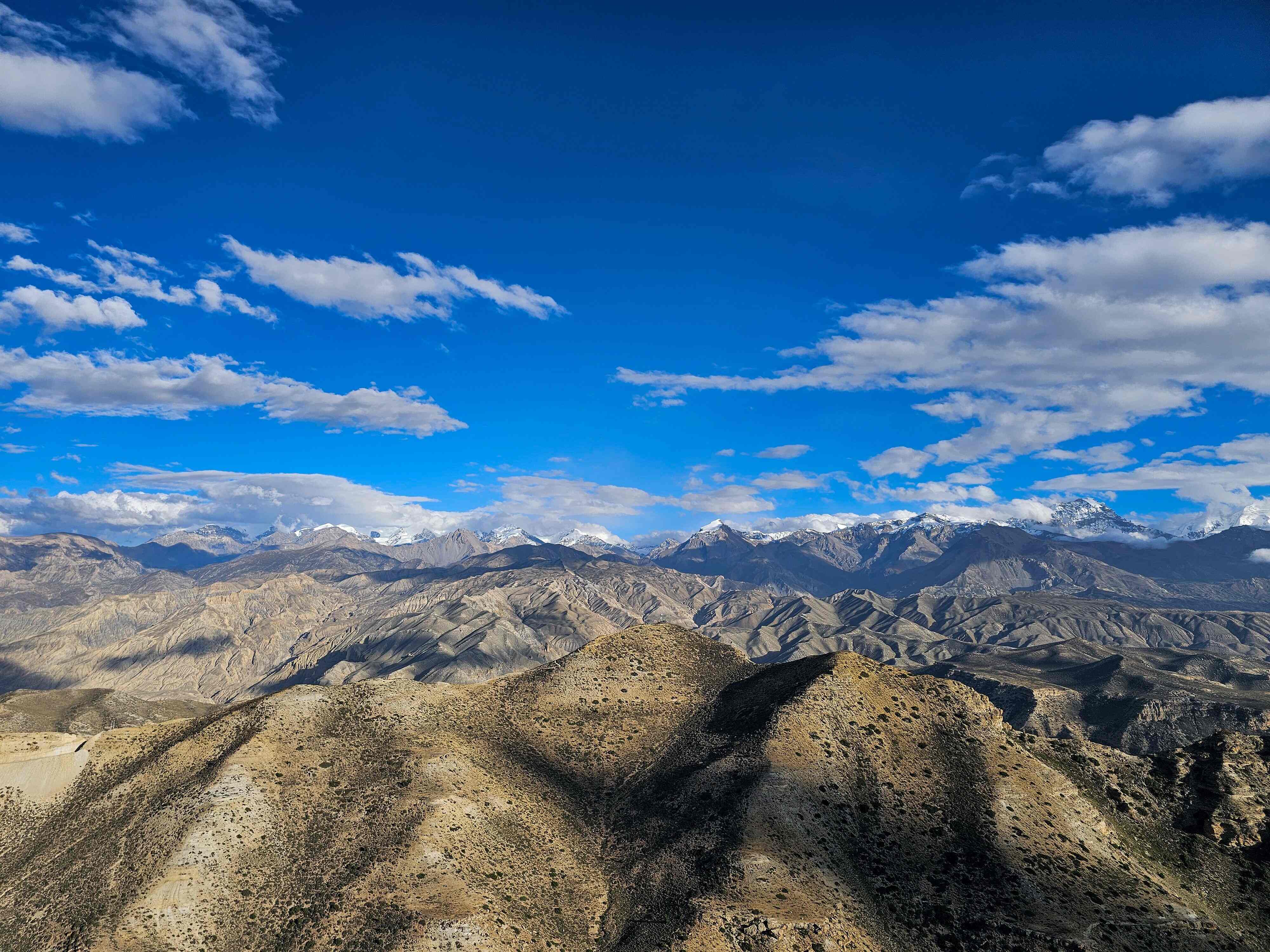
Mustang and Its Long Relationship With Horses
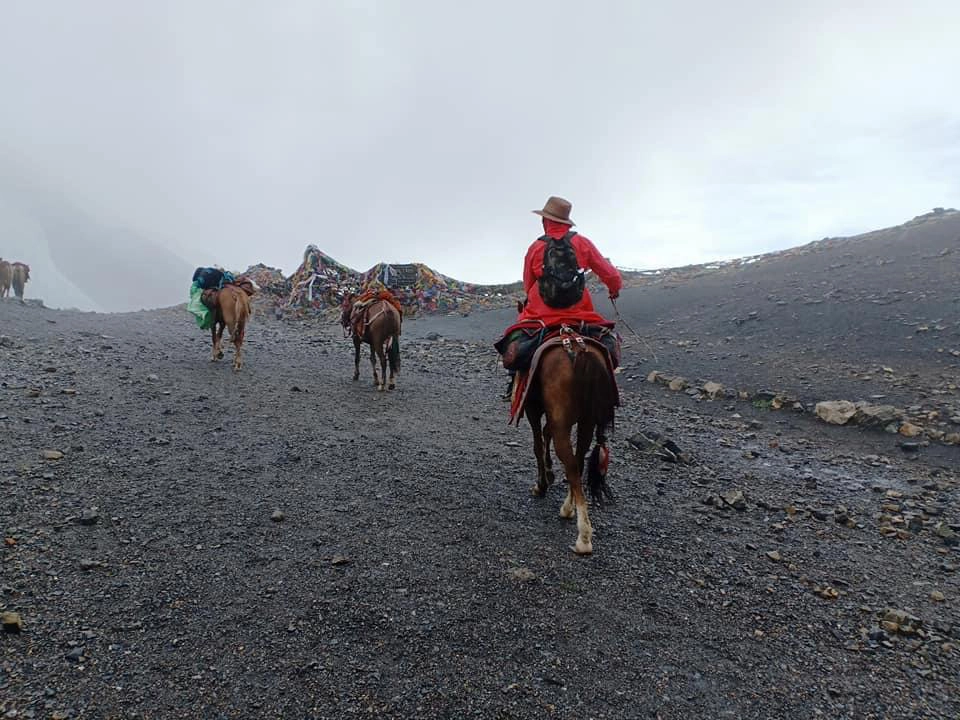
Horses have never been simply recreational animals in Mustang. They have traditionally been part of everyday life, transportation, trade and the movement of goods across the mountains.
Mustang was historically connected to trade routes between Nepal and Tibet. Before modern roads transformed transportation, horses and other pack animals played an important role in moving people and goods through difficult Himalayan terrain.
This history is still visible today. Horses remain familiar throughout the region, particularly in areas where traditional ways of travelling and transporting goods continue alongside modern transportation.
This gives Mustang a genuine horse culture rather than one created specifically for visitors.
When you ride here, you are entering a region where horses have had a practical relationship with people and the landscape for generations.
The Horses of Mustang
The horses associated with Mustang are generally smaller than many of the riding breeds familiar to travellers from Europe or North America. They are often described as Mustang horses or Tibetan mountain ponies and are valued for their strength, agility and sure-footedness.
Their build is well suited to the demands of mountain terrain. The trails of Mustang can be rocky, uneven and steep, requiring horses to move carefully and maintain their balance. A smaller, agile mountain horse can be particularly practical in such an environment.
These are not primarily competition horses or horses bred for formal equestrian sports. Many are working animals accustomed to the conditions of the Himalayas.
That difference is important for travellers. A Mustang horse trek offers an opportunity to experience traditional Himalayan horse culture, not a Western-style riding holiday transplanted into Nepal.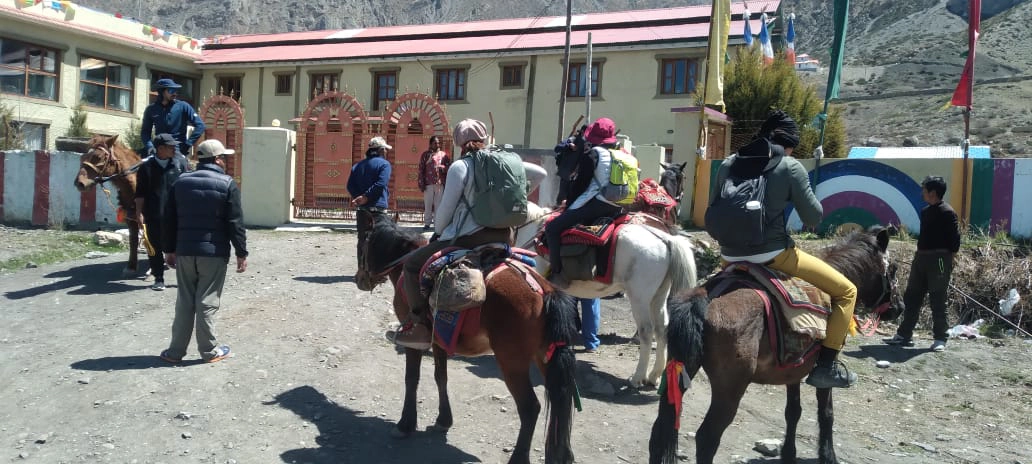
What Makes a Mustang Horse Suitable for Mountain Riding?
Mountain riding demands different qualities from riding on flat or prepared trails. A horse needs to be comfortable with uneven ground and capable of placing its feet carefully on rocky surfaces.
The horses used in Mustang are accustomed to the local environment and terrain. Their strength and agility allow them to carry riders across mountain trails while maintaining a steady pace.
For riders, this creates a different experience from riding in an arena or on a professionally maintained trail. The horse becomes an active part of navigating the landscape, and the rider needs to remain attentive to its movement.
Experienced local horsemen also play an important role, using their knowledge of the horses and terrain to manage the journey.
Horse Riding Across Mustang's Changing Landscapes
One of the strongest arguments for Mustang as a candidate for the best horse ride experience in the world is the sheer variety of landscapes experienced from horseback.
Around the lower Mustang valleys, riders can pass through villages, farmland, orchards and river landscapes with spectacular mountain views. The Kali Gandaki corridor provides a dramatic setting, with enormous Himalayan peaks rising above the valley.
As the landscape becomes drier towards the north, the scenery changes dramatically. Barren slopes, colourful cliffs, open plateaus and high-altitude valleys replace much of the greenery found further south.
The horse allows travellers to move through these environments at a pace that feels natural. Riders can cover substantial distances without becoming as disconnected from the landscape as they might be in a vehicle.
Horseback Travel and the Rhythm of Mustang
The pace of a horse trek is one of its greatest attractions.
Travelling by vehicle allows visitors to cover Mustang quickly, while walking provides an extremely intimate connection with the landscape but requires considerably more time and physical effort. Horseback travel offers a balance between the two.
You can spend several hours travelling through the mountains while remaining directly connected to the trail, the weather and the surrounding landscape.
Over multiple days, riders also become familiar with the rhythm of the horse. You learn how it moves over different surfaces, how it responds to changes in terrain and how to maintain a comfortable position in the saddle.
This gradual adjustment is an important part of what makes a multi-day horse trek different from a short riding activity.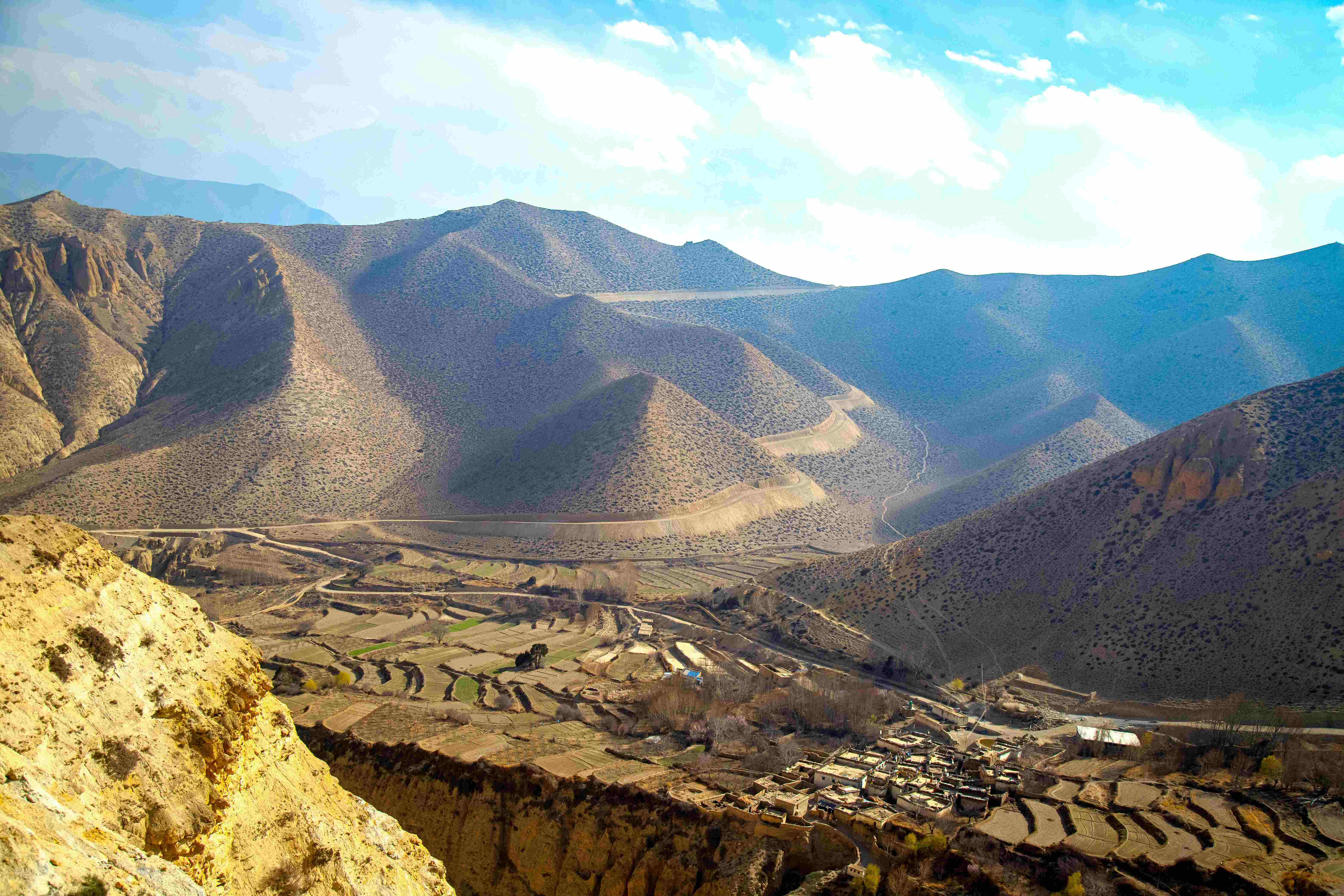
Mustang's Horse Culture Is Still Visible Today
Horses remain part of the visual and cultural character of Mustang. In villages and along mountain routes, they can still be seen being used for transportation and practical work.
Their role has changed as roads and vehicles have expanded across the region, but horses continue to have value in places where traditional transportation remains useful.
Tourism has also created new opportunities for horse owners and local horsemen. Horseback journeys can provide income for local communities while maintaining the value of traditional knowledge associated with horses and mountain travel.
This relationship between tourism and local horse culture is an important part of understanding the experience.
Yartung: Mustang's Famous Horse Festival
One of the clearest expressions of Mustang's horse culture can be seen during Yartung, a traditional horse festival celebrated in the region.
Yartung is particularly associated with the communities of Mustang and includes horse racing and other traditional celebrations. Horses become central to the festivities, bringing together local communities through competition, music, dress and cultural traditions.
The festival offers a different perspective on the role of horses in Mustang. They are not simply animals used for transportation or tourism; they are also connected with community identity and traditional celebrations.
For visitors interested in horse culture, experiencing Mustang during a festival such as Yartung can add another dimension to a horse-riding journey.
Horses, Festivals and Community
The connection between horses and Mustang's communities goes beyond riding itself. Traditional festivals provide opportunities for people to gather, celebrate and maintain cultural practices that have developed over generations.
Horse racing and other equestrian activities are particularly significant because they bring together the practical and cultural importance of horses.
The atmosphere during these events can be very different from a commercial equestrian competition. They are community celebrations rooted in local traditions, where horses are part of a wider cultural experience.
For travellers, this is one of the aspects that makes Mustang different from many international riding destinations.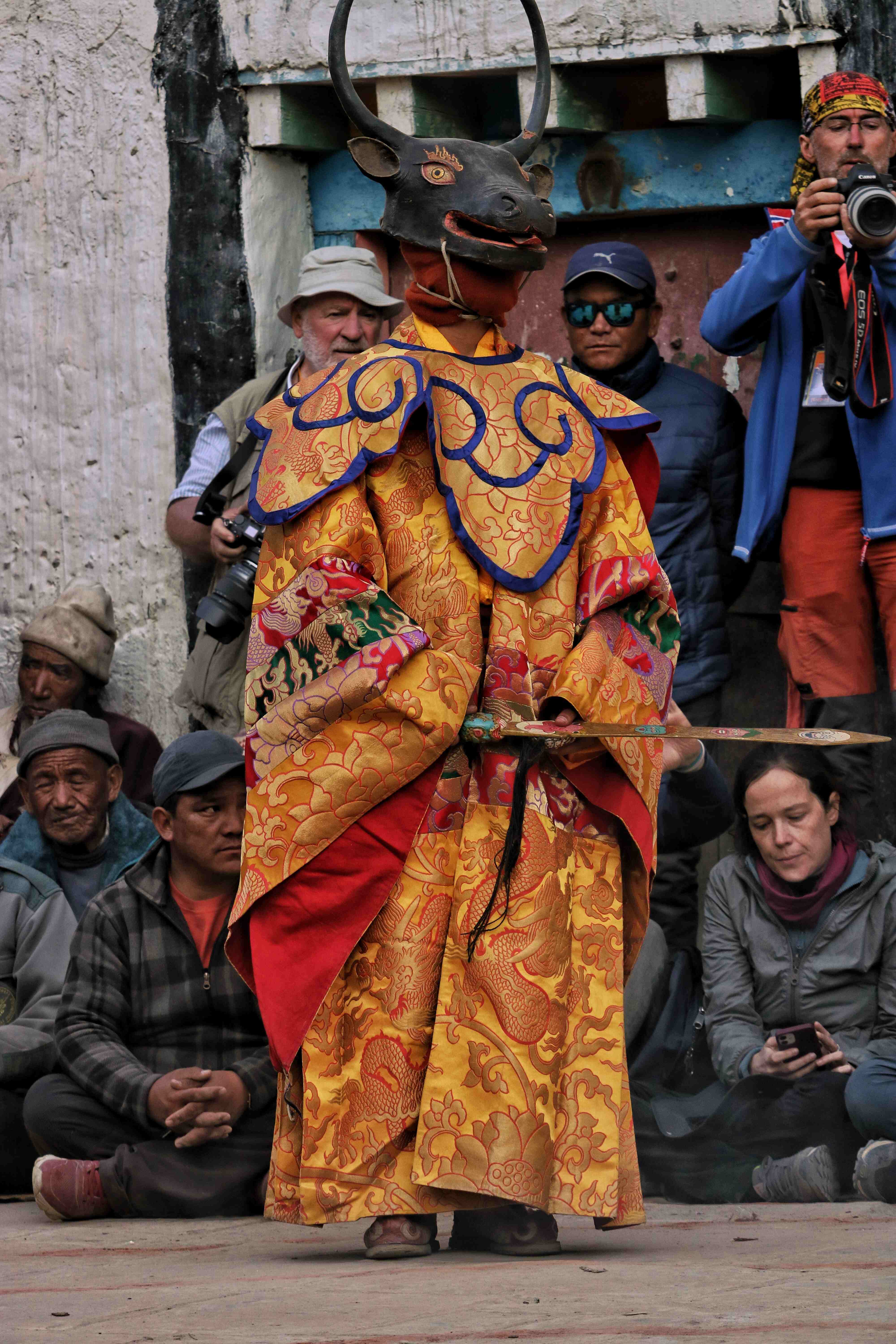
The Role of Local Horsemen
A Mustang horse-riding experience is also shaped by the people who work with the horses.
Local horsemen understand the animals, the trails and the conditions of the region through experience. They know how the horses respond to different terrain and how to manage them during longer journeys.
For visitors, their role goes beyond guiding. They provide an introduction to a traditional relationship between people, horses and the mountains.
Their knowledge can also make the riding experience more comfortable for travellers who are unfamiliar with Himalayan terrain.
Riding a Working Horse, Not a Resort Horse
It is important to understand that horses in Mustang are working animals. Their appearance, condition and behaviour may differ from horses found at professional riding schools, equestrian centres or luxury riding resorts.
They are accustomed to a practical mountain environment rather than a controlled recreational setting.
For travellers, this is part of the authenticity of the experience, but it also means expectations should be realistic. A Mustang horse trek is not designed around competitive riding or luxury equestrian facilities. It is about experiencing the region through animals that have a genuine connection with its landscape and communities.
Why Horseback Is Such a Good Way to Experience Mustang
Mustang can be explored in many ways, but horseback travel provides a particularly close connection with the region.
From the saddle, riders experience the changing terrain directly. They notice the movement of the horse beneath them, the texture of the trail, changes in temperature and wind, and the gradual transition between different landscapes.
The experience is also slower than travelling by road, allowing more opportunities to observe villages, agricultural areas, mountain scenery and everyday life.
For someone seeking the best horse ride experience in the world, this combination of authentic horse culture and extraordinary geography is difficult to overlook.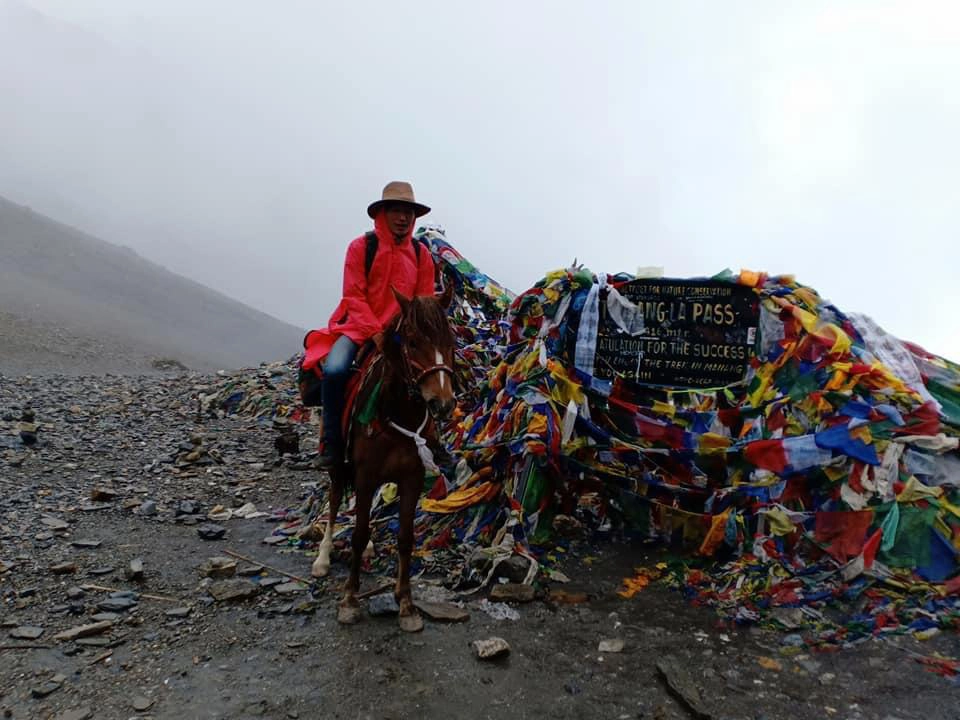
Is Mustang the Best Horse Ride Experience in the World?
There is no universal answer to that question. Every major horse-riding destination offers something different, and the best choice depends on the type of experience a rider wants.
But Mustang has an unusually strong case.
It combines a long-standing horse culture with diverse Himalayan landscapes, traditional communities, historic trade routes, mountain trails and festivals where horses remain part of local identity. The horses themselves are connected to the region's practical history, while local horsemen continue to carry knowledge of working with them in a challenging mountain environment.
For travellers who want more than a scenic horseback excursion, Mustang offers something much deeper: the chance to experience a living horse culture within one of Nepal's most extraordinary regions.
That is what makes Mustang one of the world's most distinctive horse-riding destinations and for many riders, a strong candidate for the best horse ride experience in the world.
Ready to experience Mustang on horseback? Discover the landscapes, traditions, and trails of Nepal’s Mustang region on a journey unlike any other.
Frequently Asked Questions
1. What is the best place in the world for a mountain horse riding trek?
Mustang in Nepal is one of the world’s most distinctive destinations for mountain horse riding, combining rugged Himalayan trails, high-altitude landscapes, traditional mountain horses, and local horse culture.